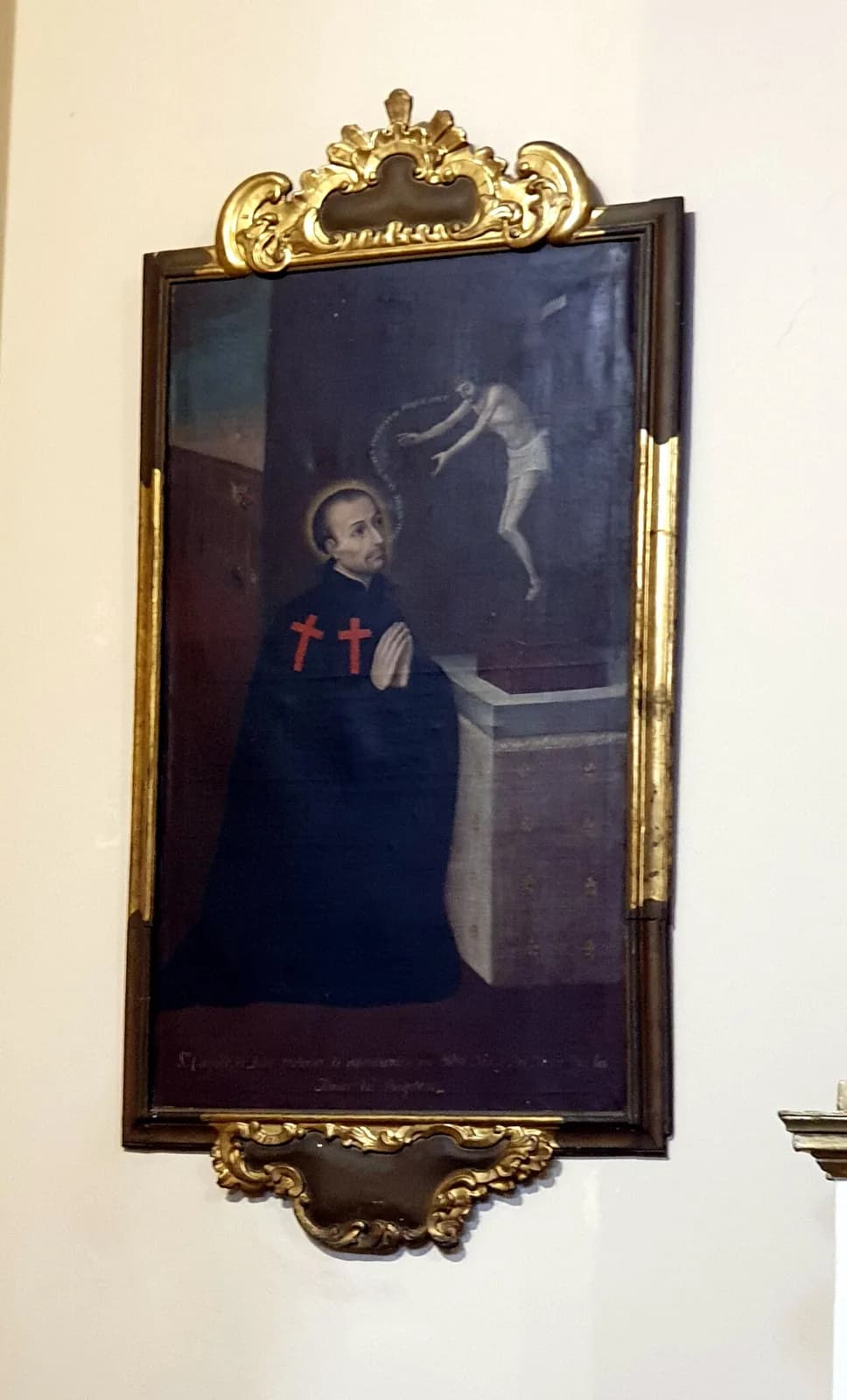
Purgatory
Theology · Updated August 15, 2026
Overview
Purgatory, though not officially defined by the Catholic Church until the 16th century, has been a part of Christian thought for over a millennium. Early Christian thinkers, like Origen in the 3rd century, introduced the idea of a purifying fire that cleanses souls after death. Over the centuries, it evolved into a more structured belief about a temporary state of purification before entering heaven. Despite its deep roots, it wasn't until the pressures of the Protestant Reformation that the Catholic Church felt compelled to formally articulate the doctrine of purgatory.
Recognition began with the Council of Florence in 1439, which acknowledged the existence of Purgatory, stating that souls undergo purification before reaching heaven. Although not the definitive statement that would come later, it set the stage for further clarification. Meanwhile, cultural works like Dante Alighieri's "Divine Comedy," written in the early 14th century, played a role in shaping and popularizing the image of purgatory. Dante's vivid descriptions captured the imagination of his contemporaries, reinforcing the concept within the broader public consciousness. However, the Protestant Reformation in the 16th century brought challenges, as reformers like Martin Luther rejected the idea outright, sparking intense theological debates. In response, the Council of Trent (1545-1563) reaffirmed the doctrine of purgatory, solidifying its place in Catholic teaching and addressing Protestant criticisms head-on.
Today, the concept of purgatory remains a distinctive element of Catholic doctrine, embraced by the Church but rejected by many Protestant denominations. The idea continues to provoke discussion and varying interpretations within Christianity. While reflecting the church's historical struggles and theological evolution, the Council of Trent's definition of purgatory as a place of purification for souls who have died in grace remains a central tenet for Catholics worldwide.
The concept of purgatory was not officially defined by the Catholic Church until the 16th century, despite being a part of Christian thought for over a millennium.
Why Fighting Over Purgatory Was a Big Deal
Debate over purgatory in the 16th century was not just about the existence of a spiritual realm where souls undergo purification. The controversy revolved around the Catholic Church's authority over the afterlife and its ability to grant indulgences. Indulgences, which were essentially certificates that promised to reduce punishment for sins, became a powerful tool for the Church, both spiritually and financially. The Church's claim as the gatekeeper to the afterlife gave it control over believers' lives and their eternal destinies. However, this control was under scrutiny as reformers began to question whether the Church should hold such power over the spiritual fate of individuals, challenging the notion of the Church as an intermediary between God and humanity.
A moment in this conflict occurred on October 31, 1517, when Martin Luther, a German monk and theologian, nailed his 95 Theses to the door of the Wittenberg Castle Church. Luther's arguments directly challenged the Catholic Church's teachings on indulgences and purgatory. On one side stood the Catholic Church, led by figures like Pope Leo X, who sought to uphold the doctrine of purgatory and the sale of indulgences to maintain ecclesiastical authority and financial stability. On the opposing side were the Protestant Reformers, with Luther as their key figure, advocating for a return to a faith grounded in scripture and a reduction of the Church's worldly influence. The stakes were high; the Church's credibility and revenue stream were on the line, while reformers saw an opportunity to reshape Christianity based on their interpretation of the Bible.
Conflict over Purgatory remains unresolved because it highlights deep theological divides and questions about ecclesiastical authority that continue to separate Christian denominations. The Catholic Church holds fast to the belief in purgatory as part of its doctrine, while many Protestant groups reject it entirely, focusing instead on direct relationships with God without intermediaries. These fundamental differences ensure that the topic remains a point of contention within Christianity. Even today, this theological divide manifests in various ways, including the differing views on the afterlife and the role of church authority across the Christian spectrum.
Continue reading with a Scholar plan
Upgrade to ScholarCommon questions
- What is purgatory according to Catholic doctrine?
- Purgatory is a temporary state of purification for souls who have died in grace but still need to be purified before entering heaven. It is a place where souls undergo cleansing to achieve the holiness necessary to enter the presence of God.
- How does purgatory differ from hell?
- Purgatory is a temporary state of purification for souls destined for heaven, while hell is a permanent state of separation from God for souls who have rejected Him. Unlike hell, purgatory is not a place of eternal punishment but a process of cleansing.
- Why do Catholics believe in purgatory?
- Catholics believe in purgatory based on the Church's teachings and traditions, which hold that some souls require purification before entering heaven. The doctrine was formally articulated by the Council of Trent in response to theological debates during the Protestant Reformation.
- What is the purpose of purgatory in Christian theology?
- The purpose of purgatory is to purify souls who have died in a state of grace but still need to be cleansed of venial sins or temporal punishment due to sin. It prepares souls to enter heaven by achieving the necessary holiness.
- How long do souls stay in purgatory?
- The duration of a soul's stay in purgatory is not specified in Catholic doctrine and is believed to vary depending on the individual's need for purification. It is a temporary state, unlike the eternal nature of heaven or hell.
- Can prayers reduce the time spent in purgatory?
- Yes, Catholics believe that prayers, masses, and indulgences offered by the living can help reduce the time souls spend in purgatory. These acts are seen as intercessory and beneficial for the souls undergoing purification.
- What are indulgences and how do they relate to purgatory?
- Indulgences are grants by the Catholic Church that reduce the temporal punishment for sins, potentially shortening the time spent in purgatory. They became a significant point of contention during the Protestant Reformation due to their misuse and sale.
- Is purgatory mentioned in the Bible?
- Purgatory is not explicitly mentioned in the Bible, but Catholics interpret certain passages, such as 1 Corinthians 3:15 and 2 Maccabees 12:46, as supporting the concept of a purification process after death.
- How did the concept of purgatory develop historically?
- The concept of purgatory developed over centuries, with early Christian thinkers like Origen introducing the idea of a purifying fire. It was formally defined by the Catholic Church during the Council of Trent in response to the Protestant Reformation.
- What role does purgatory play in the afterlife?
- In Catholic theology, purgatory serves as a transitional state where souls are purified before entering heaven. It ensures that only those who are fully sanctified can enter the presence of God.
- How does purgatory affect the living's relationship with the dead?
- Catholics believe that the living can assist souls in purgatory through prayers, masses, and indulgences, fostering a spiritual connection between the living and the deceased. This belief encourages acts of charity and remembrance for the dead.
- Are there any specific prayers for souls in purgatory?
- Yes, Catholics have specific prayers and practices, such as the Requiem Mass and the Rosary, dedicated to aiding souls in purgatory. These prayers are intended to intercede on behalf of the deceased and help expedite their purification.
- What is the Catholic Church's current stance on purgatory?
- The Catholic Church continues to uphold the doctrine of purgatory as a necessary state of purification for souls destined for heaven. It remains a central tenet of Catholic teaching, reaffirmed by the Council of Trent.
- How did the Reformation impact beliefs about purgatory?
- The Reformation challenged the Catholic Church's teachings on purgatory, with reformers like Martin Luther rejecting the concept and the sale of indulgences. This led to significant theological debates and the eventual reaffirmation of purgatory by the Council of Trent.