Lent
Holidays & seasons · Updated August 15, 2026
Overview
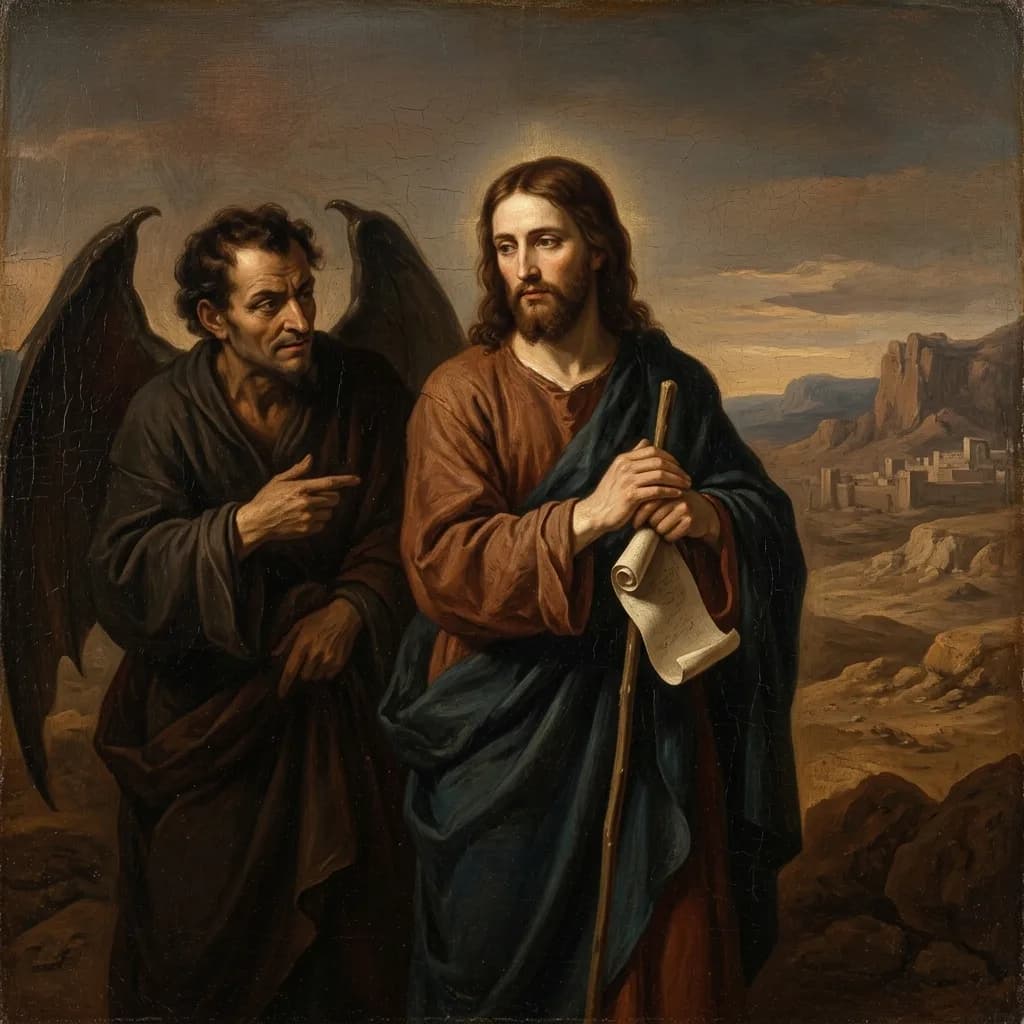
Lent wasn't always 40 days; it varied greatly in length and practice across early Christian communities. During Christianity's early years, different groups dedicated varying lengths of time to this period of reflection, with some observing only a few days and others extending it to several weeks. This diversity in practice reflected the decentralized nature of early Christianity, where different regions and communities developed their own traditions and interpretations of religious observances. The symbolic number 40, which now defines the Lenten period, was not universally applied from the outset.
The formalization of Lent as a 40-day period can be traced to the Council of Nicaea in 325 AD, a gathering that sought to unify Christian doctrine and practice across the Roman Empire. Convened by Emperor Constantine, the council addressed various theological disputes, including the timing of Easter. During this period, the notion of a standardized Lenten fast began to crystallize, aligning with the 40 days Jesus spent in the desert. This standardization did not happen overnight, and variations continued to exist. Initially, the fasting rules were strict, forbidding the consumption of meat, fish, eggs, and dairy, reflecting a rigorous approach to spiritual discipline.
Many Christian denominations worldwide now recognize and observe Lent, typically beginning on Ash Wednesday and lasting until Easter. The custom of marking foreheads with ashes on Ash Wednesday, symbolizing penance, was introduced in the 11th century. Over time, the stringent fasting rules have eased, allowing for more flexibility in personal observance. The Eastern Orthodox Church refers to Lent as Great Lent and includes additional Fasting periods and unique liturgical practices, showcasing the enduring diversity in the practice of this ancient tradition.
Lent wasn't always 40 days; it varied greatly in length and practice across early Christian communities.
Why Fighting Over Lent Was a Big Deal
The debate over the observance of Lent in early Christianity was far more than a disagreement about fasting days; it was a battle over who held the authority to shape Christian life and doctrine. This conflict addressed the power dynamics within the church. Different regions and leaders vied for influence over defining what it meant to uniquely follow Christian practices. The Roman Church, under the leadership of figures like Pope Victor I, pushed for a standardized observance of Lent to consolidate ecclesiastical power and promote unity across the expanding Christian world. Leaders from the Eastern Churches, such as Polycrates of Ephesus, resisted these efforts, aiming to preserve their local traditions and resist what they saw as Roman overreach. The matter was not just about when or how to fast but about who had the final say in such decisions.
The Council of Nicaea in 325 AD became a crucial moment in this struggle. Convened by Emperor Constantine, this gathering sought to address pressing theological disputes, including the date of Easter, which indirectly impacted Lent observance. Bishops from across the Christian world, each with their own agenda, attended the council. The Roman faction, spearheaded by Pope Victor I, argued fervently for a unified approach to Lent, seeing it as essential for maintaining doctrinal cohesion. Meanwhile, Eastern leaders like Polycrates of Ephesus defended their right to continue with their historical practices. Local bishops, such as Irenaeus of Lyons, strove to uphold the autonomy of their communities. The stakes were high, as a victory for any side would mean a major shift in how Christianity was practiced and who had the authority to shape its future.
Despite the decisions made at Nicaea, the question of Lent was never fully resolved. The council set a precedent for ecumenical decision-making, but it did not erase the deep cultural and theological divides that characterized early Christianity. Regional differences in liturgical practices persisted long after the council, with many communities continuing to observe Lent according to their established customs. This enduring diversity reflected the ongoing tension between the desire for a centralized authority and the reality of a diverse and sprawling Christian world. Even today, the variations in Lenten practices among different denominations highlight these ancient conflicts and the complexities of achieving true religious uniformity.
Continue reading with a Scholar plan
Upgrade to ScholarCommon questions
- What is Lent and why is it observed?
- Lent is a period of 40 days of fasting, prayer, and penance observed by Christians leading up to Easter. It commemorates the 40 days Jesus spent fasting in the desert and is a time for reflection and spiritual growth.
- How long does Lent last and why?
- Lent lasts for 40 days, symbolizing the 40 days Jesus spent fasting in the desert. This duration was formalized at the Council of Nicaea in 325 AD.
- What are the rules for fasting during Lent?
- Originally, Lent involved strict fasting rules, forbidding meat, fish, eggs, and dairy. Today, the rules are more flexible, often involving giving up certain foods or habits as a form of penance.
- Why do people give up things for Lent?
- People give up things for Lent as a form of sacrifice and self-discipline, mirroring Jesus' fasting in the desert. This practice helps believers focus on spiritual growth and repentance.
- What is Ash Wednesday and its significance in Lent?
- Ash Wednesday marks the beginning of Lent and involves the practice of marking foreheads with ashes. It symbolizes penance and a reminder of human mortality.
- How is Lent different from Advent?
- Lent is a period of penance and fasting leading up to Easter, while Advent is a time of preparation and anticipation for the birth of Jesus at Christmas. Advent is generally more celebratory, while Lent is more reflective.
- What is the significance of Palm Sunday in Lent?
- Palm Sunday marks the beginning of Holy Week, commemorating Jesus' triumphant entry into Jerusalem. It is significant as it leads into the final days of Lent and the events of Jesus' Passion.
- Why do some Christians not eat meat on Fridays during Lent?
- Abstaining from meat on Fridays during Lent is a form of penance and remembrance of Jesus' crucifixion on Good Friday. It is a tradition that underscores sacrifice and self-discipline.
- What is the history of Lent in the Christian church?
- Lent's observance varied greatly in early Christianity, with different lengths and practices. It was standardized to 40 days at the Council of Nicaea in 325 AD, reflecting Jesus' 40 days in the desert.
- How do different Christian denominations observe Lent?
- Different denominations observe Lent with varying practices, such as fasting, prayer, and almsgiving. The Eastern Orthodox Church, for example, has additional fasting periods and unique liturgical practices.
- What are the traditional practices associated with Lent?
- Traditional Lenten practices include fasting, prayer, almsgiving, and attending church services. Many also choose to give up certain luxuries or habits as a form of penance.
- How can I participate in Lent if I'm not religious?
- Non-religious individuals can participate in Lent by using the time for personal reflection, setting goals for self-improvement, or engaging in acts of kindness and charity.
- What is the meaning of Holy Week during Lent?
- Holy Week is the final week of Lent, commemorating the events leading up to Jesus' crucifixion and resurrection. It includes significant days such as Palm Sunday, Maundy Thursday, Good Friday, and Holy Saturday.
- Why is Lent considered a time of penance?
- Lent is a time of penance as it involves self-examination, repentance, and spiritual discipline, reflecting Jesus' sacrifice and preparation for his resurrection. It encourages believers to seek forgiveness and renewal.
- How does Lent prepare Christians for Easter?
- Lent prepares Christians for Easter by encouraging reflection, repentance, and spiritual growth. It culminates in the celebration of Jesus' resurrection, emphasizing renewal and hope.