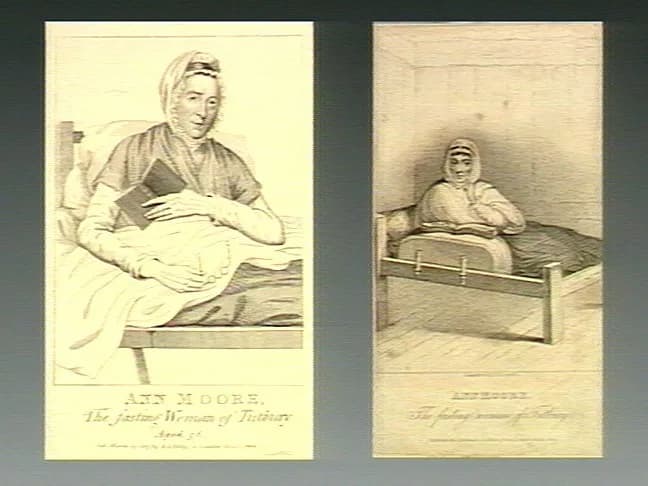
Fasting
Ascetic practices · Updated August 15, 2026
Overview
Fasting was once a contentious issue that even led to the excommunication of entire communities in early Christianity. During the formative years of the Christian church, fasting was not only a personal act of piety but also a communal practice that varied widely across different regions. These variations sometimes caused friction. For instance, disagreements over the correct timing and manner of Fasting could result in serious ecclesiastical consequences, with entire communities finding themselves at odds with mainstream practices and, on occasion, being cut off from the wider church community.
The Council of Nicea in 325 AD sought to address this lack of uniformity, among other pressing theological debates, by establishing more consistent practices. At the time, Fasting typically occurred on Wednesdays and Fridays, reflecting the betrayal and crucifixion of Jesus. The council aimed to create a unified approach to fasting, which was further developed with the establishment of the Lenten fast by the 4th century. This 40-day period leading up to Easter mirrored Jesus' 40 days of fasting in the desert. Monastic communities, particularly influential during the Middle Ages, often adhered to even stricter fasting regimes, setting a standard that was difficult for laypeople to match. However, the Protestant Reformation in the 16th century brought changes. Reformers like Martin Luther challenged traditional Fasting practices, viewing them as unnecessary for salvation and emphasizing faith over ritual.
Today, fasting remains a meaningful practice for many Christians, though its observance varies widely across denominations. While some churches maintain strict guidelines for Fasting, others adopt a more flexible approach, allowing individuals to define their own practices. The Lenten fast, in particular, continues to be widely observed, serving as a period of reflection and preparation for Easter. Despite the historical controversies and evolutions, Fasting persists as a vibrant and diverse element of Christian spiritual life.
Fasting was once a contentious issue that even led to the excommunication of entire communities in early Christianity.
Common questions
- What is fasting and why do people do it?
- Fasting is the practice of abstaining from food and sometimes drink for a specific period. In Christianity, it is often done as an act of piety, reflection, and preparation, particularly during periods like Lent.
- What are the health benefits of fasting?
- Fasting can lead to benefits such as improved metabolic health, weight loss, and better blood sugar control. It may also promote cellular repair processes and reduce inflammation.
- How long should a beginner fast for?
- Beginners might start with a short fast, such as skipping one meal or fasting for 12 hours, including overnight. This allows the body to gradually adjust to fasting.
- What is intermittent fasting and how does it work?
- Intermittent fasting involves cycling between periods of eating and fasting, such as the 16/8 method where you fast for 16 hours and eat during an 8-hour window. It works by limiting the time frame for calorie intake, which can help with weight management and metabolic health.
- Why do some religions practice fasting?
- Religions practice fasting as a spiritual discipline to promote self-control, reflection, and closeness to the divine. It is often seen as a way to purify the body and mind.
- What can you drink while fasting?
- During fasting, water, herbal teas, and black coffee are typically allowed as they contain minimal or no calories. These drinks help maintain hydration without breaking the fast.
- What is the difference between fasting and dieting?
- Fasting is the voluntary abstention from food and drink for spiritual or health reasons, while dieting involves a regulated eating plan aimed at achieving specific health or weight goals. Fasting focuses on timing, whereas dieting focuses on food choices.
- How does fasting affect metabolism?
- Fasting can temporarily lower metabolism as the body conserves energy during periods without food. However, intermittent fasting may help improve metabolic rate over time by enhancing insulin sensitivity.
- Can fasting help with weight loss?
- Yes, fasting can help with weight loss by reducing calorie intake and promoting fat burning. It can also improve metabolic health, which supports weight management.
- What are the different types of fasting methods?
- Common fasting methods include intermittent fasting, water fasting, partial fasting, and religious fasting like Lent or Ramadan. Each method varies in duration and restrictions.
- Is fasting safe for everyone?
- Fasting is not safe for everyone, especially for individuals with certain medical conditions, pregnant or breastfeeding women, and those with eating disorders. It's important to consult a healthcare professional before starting a fasting regimen.
- How does fasting impact blood sugar levels?
- Fasting can lower blood sugar levels by reducing insulin production and increasing insulin sensitivity. However, it may cause hypoglycemia in individuals with diabetes or other blood sugar regulation issues.
- What should you eat after breaking a fast?
- After breaking a fast, it's best to start with a small, balanced meal that includes proteins, healthy fats, and carbohydrates. This helps to gently reintroduce nutrients to the body without overwhelming the digestive system.
- How does Ramadan fasting differ from other types of fasting?
- Ramadan fasting involves abstaining from food and drink from dawn until sunset for a month, which is different from other fasts that may allow water or have different time frames. It is a religious obligation for Muslims and includes specific spiritual practices.
- What are common mistakes to avoid when fasting?
- Common mistakes include not staying hydrated, overeating after fasting, and not listening to your body's signals. It's important to maintain a balanced diet during eating periods and avoid excessive calorie restriction.