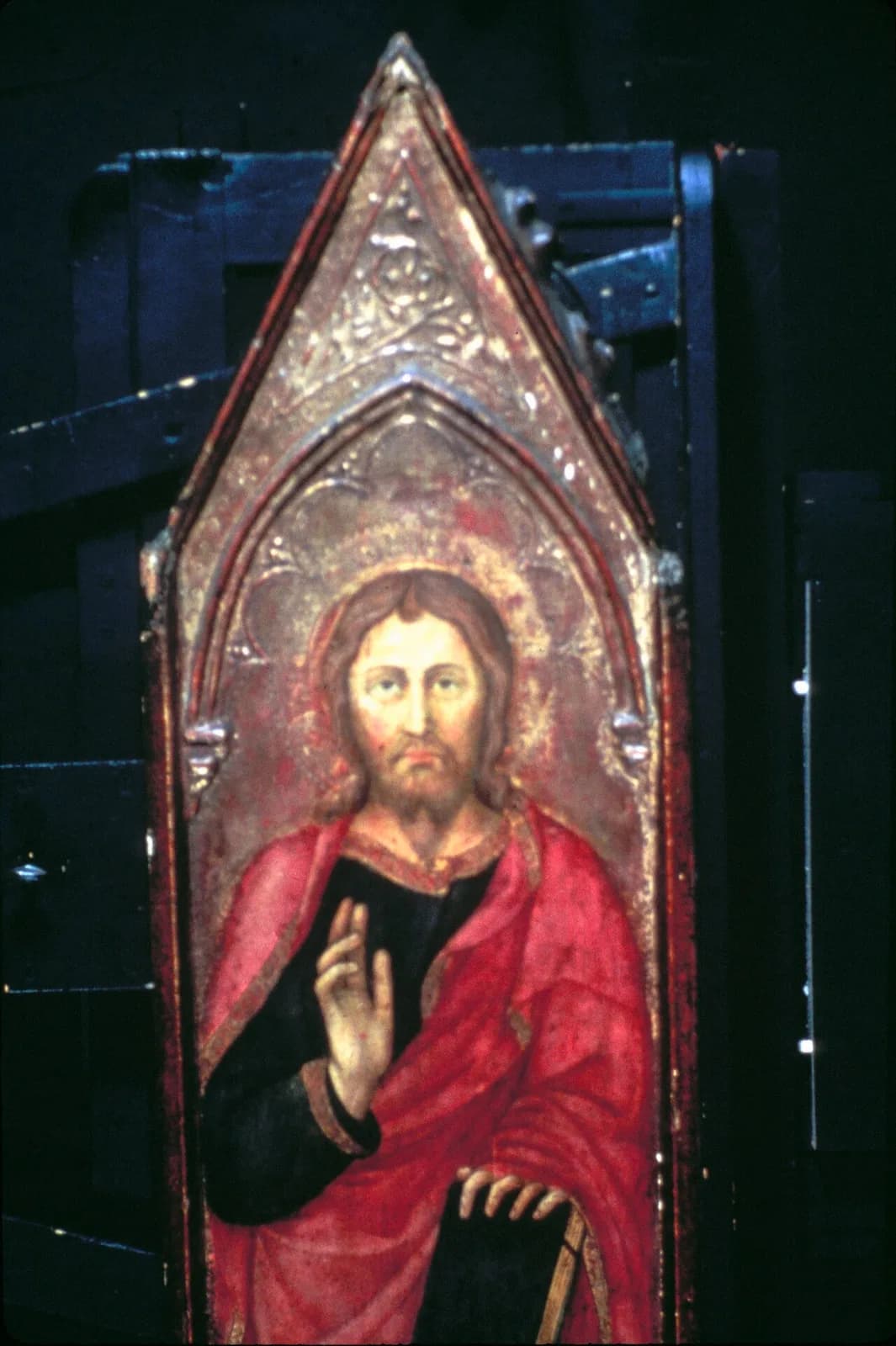
Benediction
Prayer traditions · Updated August 15, 2026
Overview
Christian liturgical benediction practices have roots tracing back to ancient Jewish blessings and have evolved over centuries. Blessing, central to Jewish tradition, is evident in the priestly blessing from the Book of Numbers, which calls upon God's grace and peace. Early Christian communities incorporated these Jewish benedictions into their worship, adapting the traditional forms to fit emerging Christian theology. By the 2nd century, these blessings were a staple in Christian gatherings, serving to invoke divine favor and protection over the congregation.
As Christianity spread across Europe, benedictions within the Church became more pronounced during the Middle Ages. Prayers became an essential component of the Mass and other sacraments, with clergy using them to sanctify and seal religious rites. During this time, the focus on ritual and ceremony led to the Creation of benedictions, meticulously crafted to reflect the theological priorities of the time. However, the Protestant Reformation in the 16th century brought changes. Reformers like Martin Luther and John Calvin sought to remove what they saw as excesses in Catholic ritual, including benedictions. Some Protestant traditions simplified these blessings, while others reimagined them to align with new theological perspectives.
Today, benedictions remain a vital part of Christian worship across denominations, though forms may vary. Commonly used to conclude services, they offer a sense of closure and communal unity through a shared blessing. Despite historical shifts and theological debates that have shaped their use, the essence of benedictions as a prayerful invocation of divine grace endures. In contemporary practice, they serve not only as a ritual formality but also as a moment of spiritual reflection and hope, embodying a tradition that has persisted and adapted through centuries of Christian history.
The practice of benediction in Christian liturgy has roots that trace back to ancient Jewish blessings and has evolved significantly over centuries.
Common questions
- What is a benediction in religious services?
- A benediction is a short invocation for divine help, blessing, and guidance, typically given at the end of a religious service.
- How is a benediction different from a prayer?
- While both are forms of communication with God, a benediction is specifically a blessing or invocation of divine favor, often used to conclude a service, whereas a prayer can be any form of communication with God, including requests, confessions, or thanksgiving.
- What is the purpose of a benediction?
- The purpose of a benediction is to invoke God's blessing and protection over the congregation, providing a sense of closure and unity at the end of a service.
- Where does the tradition of giving a benediction come from?
- The tradition of giving a benediction in Christian liturgy has roots in ancient Jewish blessings, particularly the priestly blessing from the Book of Numbers, and was incorporated into early Christian worship.
- Why do pastors give benedictions at the end of services?
- Pastors give benedictions at the end of services to offer a final blessing, invoking God's grace and protection as the congregation departs, and to provide a sense of closure and communal unity.
- What are some examples of benedictions in the Bible?
- Examples of benedictions in the Bible include the Aaronic Blessing from Numbers 6:24-26 and the Pauline benedictions found in letters such as 2 Corinthians 13:14.
- How is a Catholic benediction performed?
- In Catholic tradition, a benediction often involves the priest blessing the congregation with the Blessed Sacrament, typically using a monstrance, accompanied by hymns and prayers.
- What is the difference between a blessing and a benediction?
- A blessing is a general invocation of divine favor, which can occur at any time, while a benediction is a specific type of blessing given at the end of a service to conclude with a prayerful invocation of God's grace.
- Can a layperson give a benediction?
- While traditionally given by clergy, laypersons can offer benedictions, especially in informal or non-liturgical settings, as a way to invoke God's blessing.
- Why is the Aaronic Benediction significant?
- The Aaronic Benediction, found in Numbers 6:24-26, is significant because it is one of the oldest and most well-known blessings in the Bible, invoking God's protection, grace, and peace.
- What are common benedictions used in Christian liturgy?
- Common benedictions include the Aaronic Blessing from Numbers 6:24-26 and the Pauline benedictions, such as 2 Corinthians 13:14, which invoke the grace of Jesus, love of God, and fellowship of the Holy Spirit.
- How do different denominations perform benedictions?
- Different denominations may vary in their performance of benedictions, with some using formal liturgical language and gestures, while others may use simpler, spontaneous blessings, reflecting their theological and liturgical traditions.
- What is the historical origin of the benediction?
- The historical origin of the benediction lies in ancient Jewish blessings, particularly the priestly blessing from the Book of Numbers, which early Christians adapted into their worship practices.
- How can I write a personal benediction?
- To write a personal benediction, focus on invoking God's blessing, grace, and protection, using simple and heartfelt language that reflects your faith and the context in which it will be used.
- In what contexts outside of church might a benediction be used?
- Outside of church, benedictions can be used in various contexts such as weddings, funerals, family gatherings, or any event where a blessing and invocation of divine favor is appropriate.