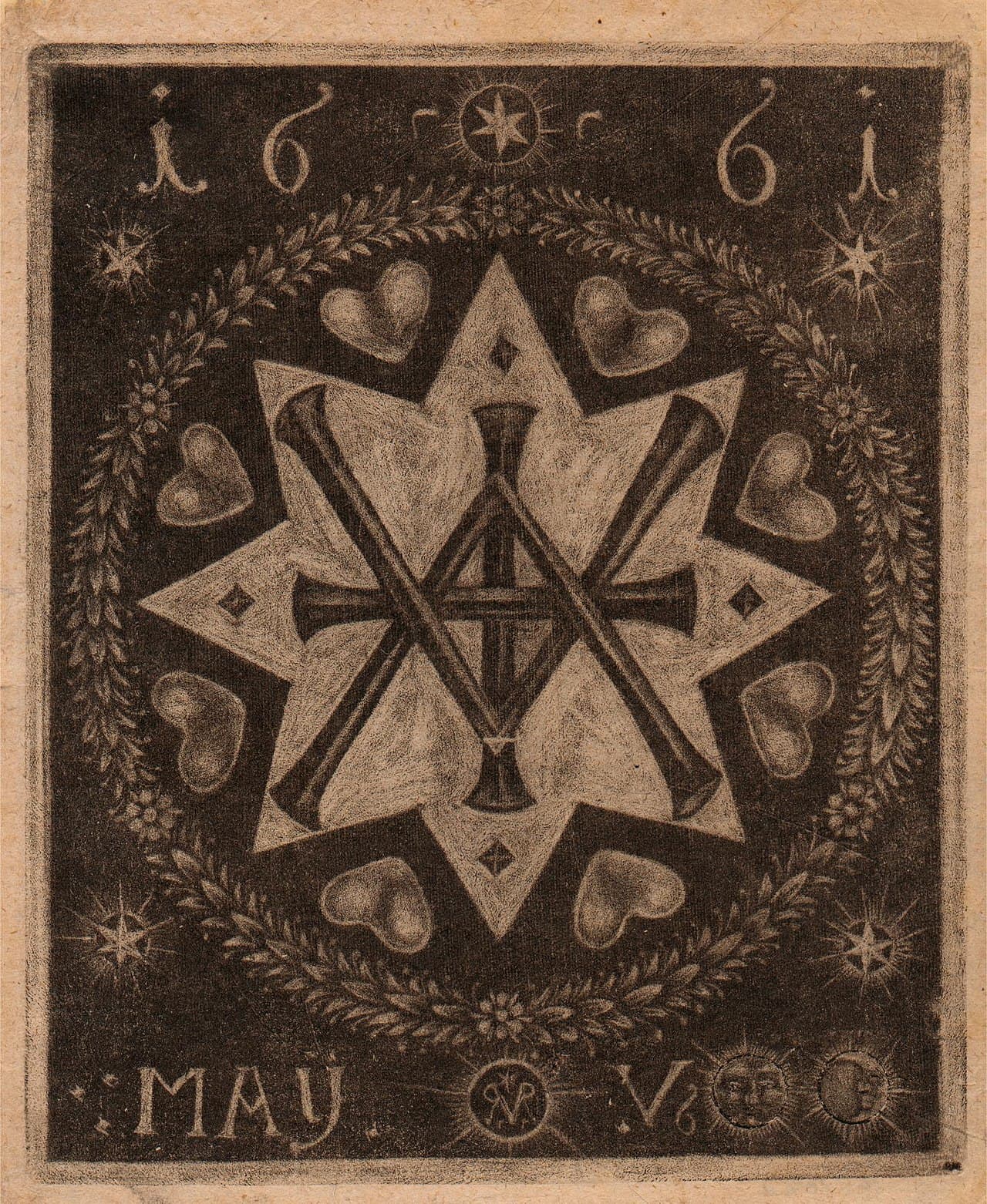
Freemason Symbols and the Bible
Secret Societies · Updated August 15, 2026
Overview
Masonic symbolism and the cited biblical passages share an emphasis on works of mercy, but Freemasonry requires these works as universalist moral duty while Scripture presents them as evidence of saving faith in Christ. This distinction cuts to the heart of a long-running debate about Freemason Symbols and the Bible and whether the fraternity's rituals simply borrow Christian language or fundamentally alter its meaning. For any Christian reader trying to understand the relationship between Freemasonry and Christianity, the stakes are eternal. The topic forces a direct confrontation with the nature of charity itself,whether feeding the hungry is a generic good deed required of all people of goodwill, or the visible proof that a person belongs to Christ.
Masonic ritual uses scripted words and actions performed during degree work in a Masonic Lodge to teach moral lessons through symbols like the Square and Compass. The fraternity instructs members to practice charity and relief as core obligations, and this ritual life has appeared in literature such as Kipling's "The Man Who Would Be King" and Tolstoy's "War and Peace." Freemasonry deliberately strips these obligations of any specific theological context so that men of any faith,Christian, Jewish, Muslim, or otherwise,can participate. A Mason who feeds the hungry fulfills his lodge duty. The works stand on their own as universal moral action, detached from any claim about who Christ is or what salvation requires.
Scripture speaks a different language. In Matthew 25:35-40, Jesus declares that feeding the hungry, giving drink to the thirsty, sheltering strangers, clothing the naked, visiting the sick and imprisoned are acts done unto Him personally,establishing a direct, even sacramental, link between mercy and Christ himself. James 2:17 states that faith without works is dead, arguing that verbal profession without material action for the destitute is profitless and cannot save. Galatians 6:2 frames burden-bearing as fulfilling the law of Christ. The Old Testament grounds this same covenant ethic in Isaiah 58:6-7, where God's chosen fast is loosing wickedness, freeing the oppressed, feeding the hungry, and clothing the naked. Proverbs 19:17 defines lending to the Lord as giving to the poor. From the early patristic period through medieval Monasticism under figures like Benedict of Nursia and Francis of Assisi, the church institutionalized these commands in hospitals, almshouses, and charitable orders as specifically Christian obligations. The Bible does not present charity as a universal principle detached from faith but as the visible evidence that one belongs to Christ, with Matthew 25 explicitly tying eternal judgment to these acts.
The most common misunderstanding is that Masonic symbolism and Biblical Charity teach the same thing, when in fact Freemasonry frames works as universal moral duty accessible to all religions while Scripture frames them as inseparable from faith in Christ and as evidence of salvation. A Masonic lodge hands a man a set of moral tools and asks him to use them. Scripture hands a man a cross and tells him that his love for the poor proves whether he has truly taken it up. The difference is not semantic. In 1717, the Grand Lodge of England formalized a ritual system designed to unite men across religious divides through shared moral action. The Bible refuses that division. Faith and works are one flesh, and what God has joined, the lodge cannot separate.
Masonic symbolism and the cited biblical passages share an emphasis on works of mercy, but Freemasonry requires these works as universalist moral duty while Scripture presents them as evidence of saving faith in Christ.