Acts 2:1-41 · Acts · Updated April 25, 2026
Pentecost
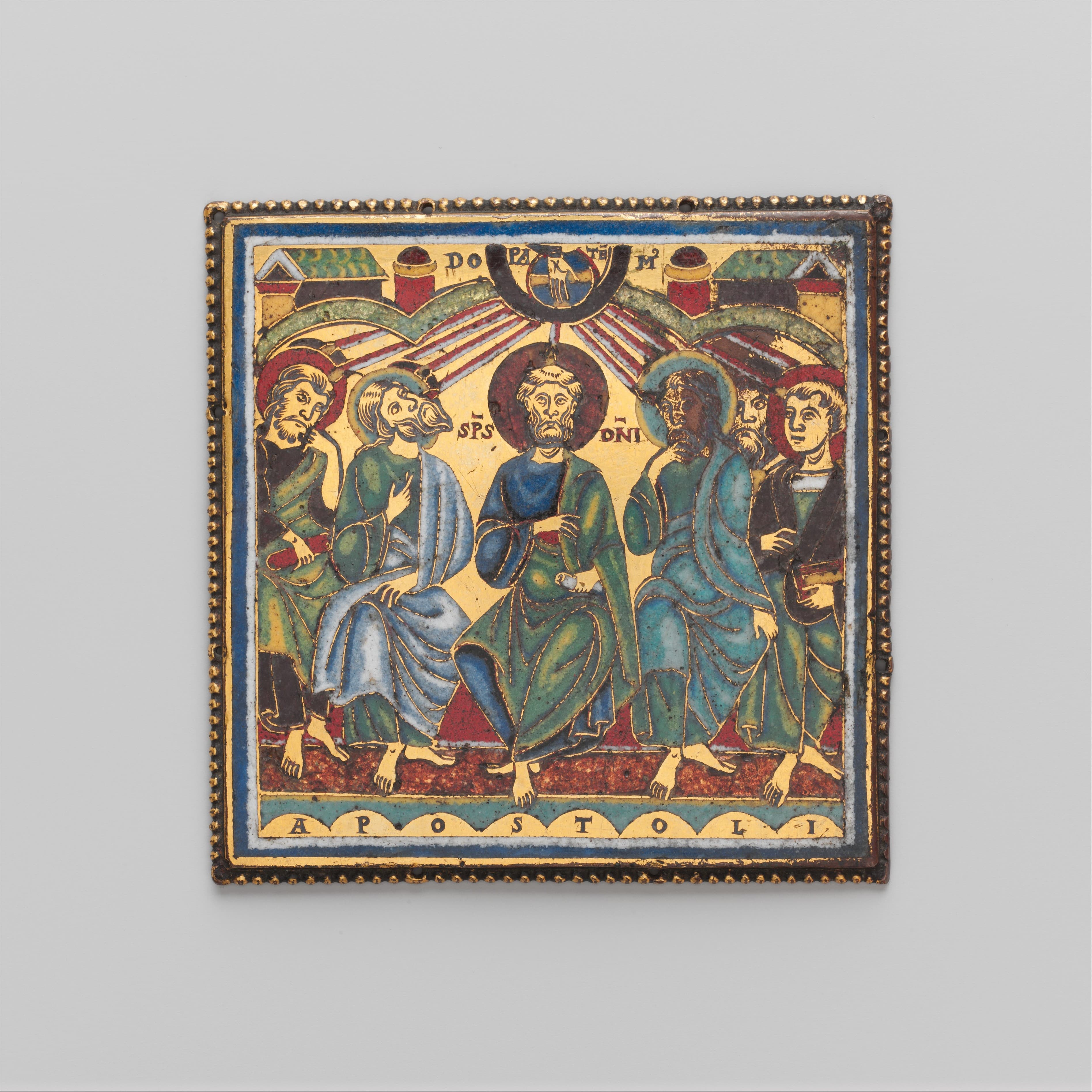
On the day of Pentecost, the apostles were gathered when the Holy Spirit descended upon them, enabling them to speak in various languages. Peter addressed the crowd, explaining the event as a fulfillment of prophecy and urging them to repent and be baptized, resulting in about three thousand people being added to their number.
Summary
Acts 2:1-41 describes the events of Pentecost, a crucial moment for the early Christian church. On the day of Pentecost, the apostles and other followers of Jesus gathered in Jerusalem. This occurred shortly after Jesus’ Ascension into Heaven, leaving his disciples with instructions to wait for the Holy Spirit. As they were together, a sudden sound from Heaven, like a mighty wind, filled the house, and tongues of fire appeared and rested on each of them (Acts 2:2-3).
Filled with the Holy Spirit, the apostles began speaking in different languages (Acts 2:4). This miraculous event attracted a crowd of devout Jews from various nations in Jerusalem at the time. Bewildered, each person heard the apostles speaking in their native tongues (Acts 2:6). Some in the crowd mocked the apostles, suggesting they were drunk, but Peter stood up with the other eleven apostles to address the crowd (Acts 2:13-14). He explained that this event fulfilled the prophecy from the prophet Joel, where God promised to pour out His Spirit on all people (Acts 2:16-17). Peter spoke about Jesus of Nazareth, his Crucifixion, and resurrection, asserting that Jesus was the promised Messiah (Acts 2:22-24).
The passage concludes with the crowd moved by Peter’s words, asking what they should do in response. Peter instructed them to repent and be baptized in the name of Jesus Christ to receive the forgiveness of sins and the gift of the Holy Spirit (Acts 2:38). On that day, about three thousand people were baptized and added to the community of believers, marking the growth of the early church (Acts 2:41). The passage establishes the importance of the Holy Spirit's arrival and the beginning of the church's mission to spread the teachings of Jesus. Acts 2:1-41 primarily establishes the power of the Holy Spirit and its role in the formation and expansion of the early church. The outpouring of the Spirit enabled the apostles to communicate across language barriers, signaling the universality of the gospel message. This event marked a key moment, as Peter linked it to the prophecy in Joel about God pouring out His Spirit on all people (Acts 2:17). The immediate effect was the conversion and baptism of about three thousand individuals, demonstrating that the Spirit's arrival was not only a fulfillment of prophecy but also a catalyst for the church's mission to spread Jesus’ teachings.
Chiastic structure
ⓘActs 2:4
“And they were all filled with the Holy Ghost, and began to speak with other tongues, as the Spirit gave them utterance.”
Acts 2:32-36
“This Jesus hath God raised up, whereof we all are witnesses... God hath made that same Jesus, whom ye have crucified, both Lord and Christ.”
Acts 2:38-39
“Repent, and be baptized every one of you in the name of Jesus Christ for the remission of sins, and ye shall receive the gift of the Holy Ghost.”
The initial outpouring of the Holy Spirit (A) mirrors the promise of receiving the Holy Spirit upon repentance and baptism (A'). Both emphasize the transformative power of the Holy Spirit in the believers' lives.
Interpretation and theological stakes
Continue reading with a Scholar plan
Upgrade to Scholar