Acts 2:14-36 · Acts

Peter's Sermon at Pentecost

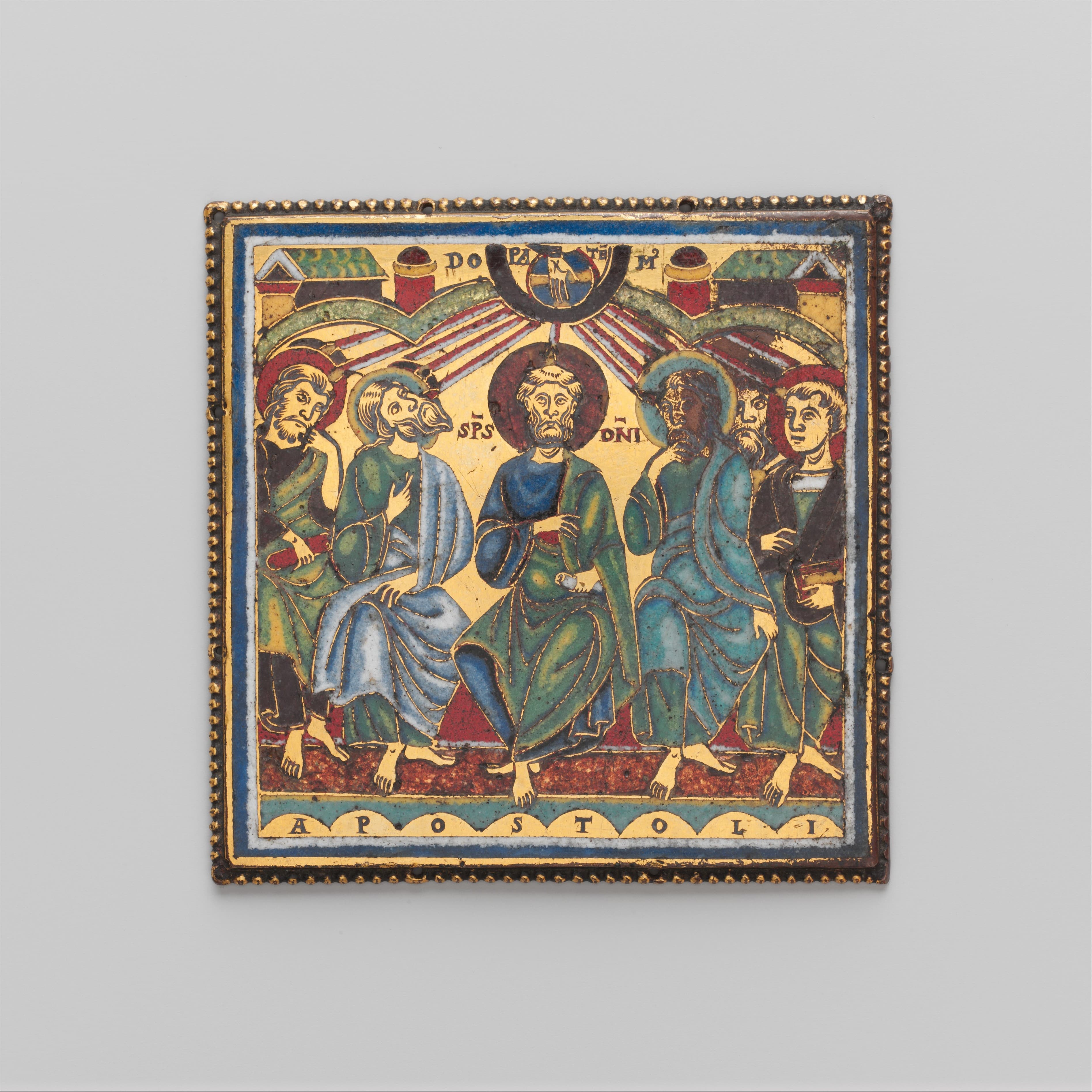
Peter delivers a sermon at Pentecost, addressing the people of Judaea and Jerusalem. He explains that the events they witness are the fulfillment of prophecy and declares Jesus as Lord and Christ, whom they crucified but God raised from the dead.

Summary

Peter's sermon at Pentecost is a pivotal moment in the New Testament, marking the birth of the early Church. The scene is set in Jerusalem during the Jewish feast of Pentecost, following the ascension of Jesus. The Holy Spirit has just descended upon the apostles, enabling them to speak in various languages, which astonishes the gathered crowd. Peter stands up with the other eleven apostles to address the crowd, dispelling rumors that they are drunk (Acts 2:14-15).

Peter begins by quoting the prophet Joel, explaining that the outpouring of the Holy Spirit is the fulfillment of prophecy (Acts 2:16-17). He asserts that in the last days, God will pour out His Spirit on all people, allowing them to prophesy and see visions (Acts 2:17-18). Peter then shifts to the life and works of Jesus of Nazareth, whom he describes as a man accredited by God through miracles and wonders (Acts 2:22). He reminds the crowd that Jesus was crucified by them but states that God raised Him from the dead, as death could not hold Him (Acts 2:23-24). Peter supports his claims by referencing King David, explaining that David foresaw the resurrection of the Messiah (Acts 2:25-31).

The sermon concludes with Peter emphasizing that Jesus has been exalted to the right hand of God and has poured out the Holy Spirit, which the crowd is witnessing (Acts 2:33). He clarifies that David did not ascend to heaven, reinforcing that David's words were about the Messiah (Acts 2:34-35). Peter's final declaration is that God has made Jesus, whom they crucified, both Lord and Christ (Acts 2:36). This statement establishes the core belief of the early Church: Jesus is the risen Messiah and Lord, fulfilling the prophecies of the Hebrew Scriptures.

Chiastic structure

A

Acts 2:16-21

But this is that which was spoken by the prophet Joel... whosoever shall call on the name of the Lord shall be saved.

B

Acts 2:24-32

Whom God hath raised up, having loosed the pains of death... This Jesus hath God raised up, whereof we all are witnesses.

A'

Acts 2:33-36

Therefore being by the right hand of God exalted... God hath made that same Jesus, whom ye have crucified, both Lord and Christ.

Both A and A' emphasize the fulfillment of prophecy and the divine plan through Jesus, with A focusing on the prophecy of Joel and A' on the fulfillment through Jesus' resurrection.

Interpretation and theological stakes

The primary conclusion of Peter's sermon at Pentecost is that Jesus is both Lord and Messiah. This proclamation is crucial because it asserts Jesus’ divine authority and fulfillment of prophecy, forming the foundation of Christian belief. Peter's argument hinges on the resurrection, which he presents as a divine act demonstrating Jesus' messianic role (Acts 2:24). He connects Jesus’ life, death, and resurrection to God's plan, claiming that these events fulfill the prophecies of Joel and David (Acts 2:16, 2:25-31). The sermon culminates with the declaration that Jesus, the one crucified, is now exalted (Acts 2:36), which establishes the basis for the early Christian confession.

The Reformed Protestant interpretation reads this passage as a clear fulfillment of Old Testament prophecy. Peter’s use of Joel’s prophecy (Acts 2:16-17) is seen as evidence that the outpouring of the Holy Spirit marks the beginning of the last days, as predicted. This tradition emphasizes that the arrival of the Spirit signifies the inauguration of the church era, a pivotal moment in salvation history. Peter’s references to King David (Acts 2:25-31) are understood as prophetic insights pointing to Jesus’ resurrection, further validating his messianic claim. According to this view, the sermon establishes the continuity between the Hebrew Scriptures and the Christian message, with Jesus as the central figure.

In contrast, Rabbinic Judaism contends that Peter's sermon does not fulfill the prophecies of Joel or David. This interpretation argues that the criteria for the messianic age a time of universal peace and knowledge of God remain unmet. The assertion that the Holy Spirit’s outpouring represents the end times is viewed skeptically since the expected transformation of the world has not occurred. The argument also holds that David’s words, claimed by Peter to predict the resurrection, do not directly correlate with the historical Jesus but rather refer to a future, more comprehensive fulfillment. This reading challenges the Christian claim to a realized eschatology.

The tension between these interpretations highlights the foundational role of prophecy in understanding Jesus' identity. While Reformed Protestantism views the events of Pentecost as the realization of ancient promises, Rabbinic Judaism maintains that the ultimate fulfillment remains ahead. This divergence underscores the complexity of interpreting prophecy and the significance of the resurrection claim. It suggests that the passage’s meaning extends beyond historical events to a theological assertion about Jesus’ role in the divine plan. Such interpretations invite deeper exploration of how prophecy informs religious identity and expectation, showing that the sermon’s true significance lies in its proclamation of Jesus as the centerpiece of unfolding history.

Continue reading with a Scholar plan

Upgrade to Scholar