Library
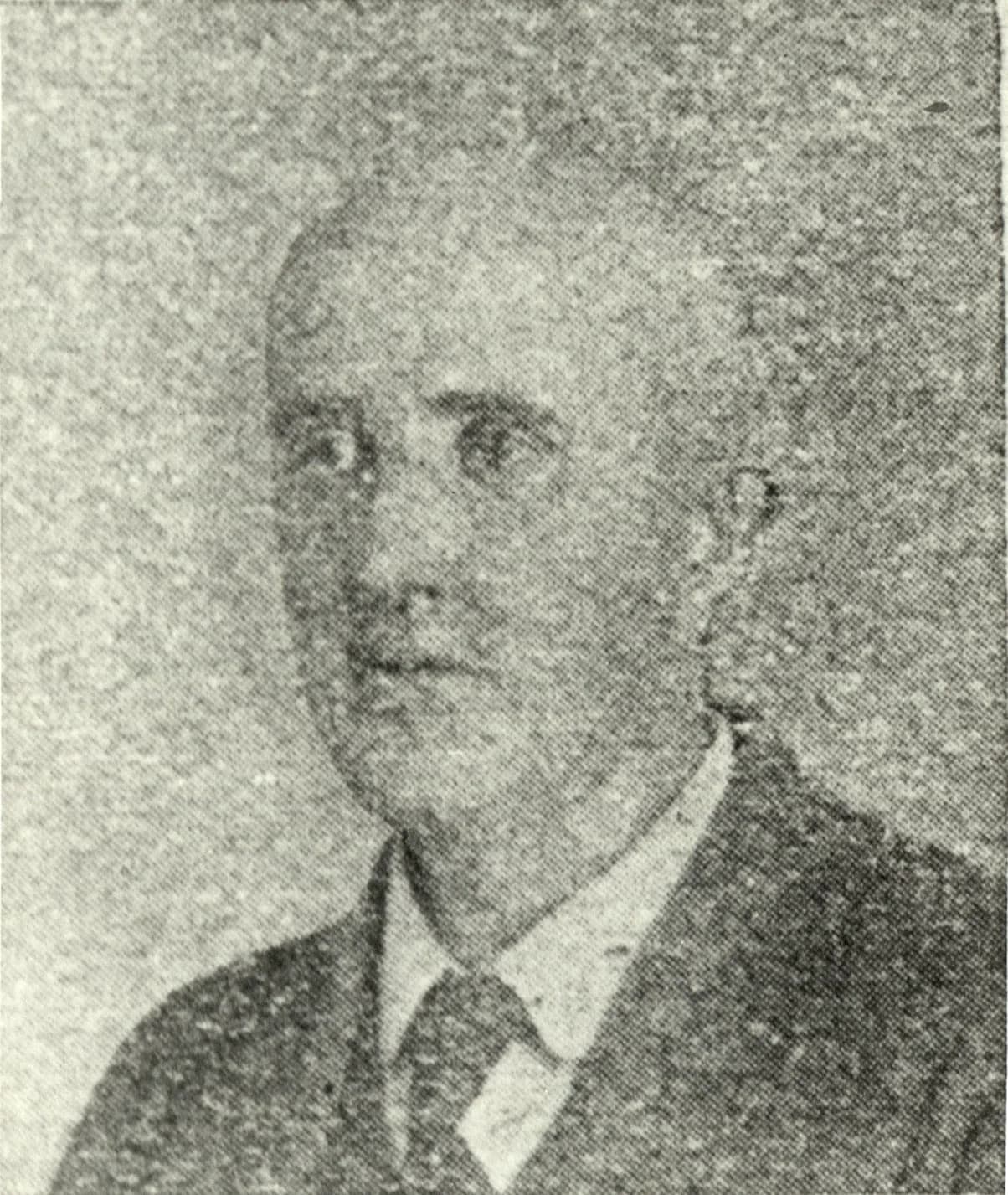
AI-generated illustration
Library
Medieval (9th-15th C) · fl. c. 930-950 CE · Updated April 9, 2026
Bogomil was a Bulgarian priest and the founder of the Bogomil movement in the First Bulgarian Empire during the medieval era, flourishing around 930-950 CE. He initiated a religious movement known as Bogomilism, which challenged the established church with its radical dualist beliefs. Bogomilism taught that the material world was created by an evil entity, not God, and that Christ was not truly incarnate, which stood in stark contrast to mainstream Christian doctrines.
Little is known about Bogomil's personal life, but his teachings spread rapidly across the Bulgarian Empire. As a priest, Bogomil gained followers by preaching a message that resonated with those disillusioned by the established church. His movement rejected the Old Testament, sacraments, church hierarchy, and the symbol of the cross. These teachings led to his condemnation by Bulgarian church councils, and later suppression by Byzantine and Crusader authorities, who viewed Bogomilism as a dangerous heresy.
Bogomil lived in a time of religious and political upheaval in the First Bulgarian Empire. Christianity was spreading, but questions about the nature of the material world and the presence of evil led to various interpretations and heresies. The dualistic beliefs of Bogomilism emerged in this context, challenging the established church and causing significant tension. The controversy surrounding Bogomilism revealed deep divisions about the role of evil and the nature of the divine, leading to conflicts over what constituted true Christian belief. Bogomil's challenge to orthodoxy highlighted the era's struggle to define the boundaries of faith.
Is the material world the creation of God or of an evil power — and if matter is evil, what does that mean for incarnation, sacrament, and the church?
Bogomil looked at the church and saw a betrayal. The wealth and power of the clergy stood in stark contrast to the simple, humble life of Jesus and his apostles. He read the Gospels and saw a call to poverty, humility, and service, not opulence and corruption. For him, the church had lost its way, becoming a worldly institution rather than a spiritual guide. This conviction led him to a dualistic belief: the world, with all its material trappings, was not the creation of a benevolent God but of an evil power. This view was not just a critique of the church's behavior; it was a fundamental challenge to its theology.
If the material world was evil, then Bogomil had to reject the church's sacraments and rituals. The Eucharist and baptism, seen as channels of divine grace, became meaningless or worse, corrupt. Veneration of the cross, a symbol of Christ's sacrifice, turned into a paradox — a material object representing a spiritual truth. Standing by this belief isolated Bogomil and his followers from the community and comfort the church offered. Their faith became a private, internal affair, divorced from the structured, communal worship that characterized mainstream Christianity. This stance invited persecution, as the established church could not tolerate such a fundamental challenge to its authority and practices.
If the material world was good, then the church's sacraments and hierarchy must be valid. This meant accepting the church as the true interpreter of God's will and the Bible, including all its books. To believe this, Bogomil would have to overlook the corruption he witnessed and trust the church's leaders despite their flaws. This path required submission to an institution that he saw as deeply flawed, sacrificing his conviction for the sake of unity and acceptance. By doing so, reform and questioning became impossible, and the church's power remained unchecked, perpetuating the very corruption Bogomil opposed.
Bogomil's dualistic belief presented an inescapable trap. He could not fully embrace the church's material sacraments without compromising his theology. Yet, rejecting the church meant losing the community and tradition that gave structure to Christian life. For ordinary believers, this was not an abstract theological debate. It was about the validity of their daily practices and the hope of salvation. The challenge to the church's teachings forced them to reconsider their spiritual lives and their place in the Christian community. In a world where faith was intertwined with every aspect of life, Bogomil's stance threatened the very foundation of their existence.
Bogomil taught that the material world was the creation of an evil power, specifically the devil, not God. He believed that Christ was not truly incarnate in flesh and rejected the Old Testament, sacraments, church hierarchy, and the symbol of the cross. According to Bogomil, the physical world was corrupt, and believers should focus on spiritual purity instead. He called for a faith that turned away from the material and embraced a direct, personal connection to the divine.
Bogomil's logic rested on the presence of evil and suffering in the world. He argued that a benevolent God could not have created such a place. He found support in scripture, such as John 18:36, where Jesus says, "My kingdom is not of this world," suggesting a spiritual kingdom separate from the material realm. In 2 Corinthians 4:4, the devil is referred to as "the god of this age," implying his control over the world. Ephesians 6:12 speaks of a struggle against the forces of darkness, reinforcing the idea that the physical world is under evil influence. In "The Secret Book," Bogomil described the material world as the work of Satanael, urging believers to reject its corrupt institutions.
Bogomil's teachings resonated with those disillusioned by the established church's corruption and power. Many sought a Christianity that focused on spiritual purity without the trappings of wealth and hierarchy. His ideas spread among those yearning for reform and simplicity, reaching regions far beyond his native Bulgaria. By the 11th century, Bogomil's influence had reached the Balkans, Italy, and even parts of France, showing the widespread appeal of his radical vision.
The decisive argument against Bogomil hinged on the affirmation of the material world's goodness, as articulated in the biblical creation story. In Genesis, God declares the world "very good," a statement that became central to refuting Bogomil's dualistic view separating spirit and matter. The Incarnation of Christ, where God became flesh, further underscored the sanctity of the material world. Cosmas the Priest, a Bulgarian cleric and theologian, articulated this argument in his treatise "Sermon Against the Heretics." He contended that the world, crafted by God, is inherently good. Cosmas argued that the Incarnation is a testament to the divine value of the physical realm, directly opposing Bogomil's assertion that matter is corrupt.
Bogomil's use of scripture to support his dualistic views faced direct challenges. He interpreted John 1:3 to mean the material world, being corrupt, was not truly from God. Orthodox thinkers countered this by affirming that all things, including the material world, were made through the Word and thus inherently good. He also cited 1 John 2:15-17, claiming it showed the world's evil origin. The orthodox rebuttal clarified that these verses targeted sinful desires, not the material world itself. Matthew 6:24 was used to suggest a dualistic opposition, but the orthodox interpretation focused on idolatry, not the nature of material wealth. The internal contradiction emerged in Bogomil's denial of The Incarnation's significance. If matter was evil, then God becoming flesh would imply divine participation in evil, a concept that undermined the very foundation of Christian belief.
The counter-argument, while effective, introduced new complexities. It required a nuanced understanding of the relationship between sin and the material world. This led to ongoing theological debates about the nature of evil and human free will, issues that theologians would continue to grapple with for centuries. Yet, by affirming the goodness of creation and The Incarnation, the Church maintained a coherent theological stance. This debate did not just end with Bogomilism but paved the way for broader discussions, influencing how Christians viewed their physical existence.
In the late 10th century, the Bulgarian Orthodox Church convened a series of councils to address a growing theological crisis. The core issue revolved around the Bogomil movement, which challenged the orthodox Christian belief about the creation of the material world. The Bogomils asserted that an evil power, Satanael, created the physical world, opposing the traditional view that God was the creator of all. This belief undermined the church's teachings on the incarnation of Christ and the legitimacy of its sacraments. The councils attracted Bulgarian clergy and possibly Byzantine representatives, highlighting the broader geopolitical stakes. Secular authorities, including the Bulgarian rulers, viewed Bogomilism as a direct threat to their power, as it questioned both religious and political structures. These rulers saw maintaining religious unity as essential for the stability of their realms, prompting them to support the church's efforts to suppress the movement.
During the councils, a heated debate unfolded between the orthodox clergy and Bogomil representatives. The orthodox position maintained that God created the material world, affirming the goodness of creation and the true incarnation of Christ. The Bogomils, in contrast, pushed a dualistic narrative, claiming the material realm was the handiwork of evil forces. The precise language used in the councils' decrees mattered greatly, as it reinforced the church's authority over theological interpretations. Ultimately, the councils condemned Bogomilism as heretical, issuing a formal rejection of its teachings. This decision reinforced the church hierarchy's power and reasserted the importance of sacraments in Christian practice, aiming to quell the theological turmoil.
Despite the councils' clear condemnation, the controversy over Bogomilism did not end. The movement persisted, influencing other dualistic sects, most notably the Cathars in Western Europe. These factions carried forward the debate about the nature of evil and the material world, challenging the church's doctrinal authority well into the Middle Ages. Bogomil beliefs echoed through various heretical movements, proving difficult to eradicate entirely. The church's struggle to quash Bogomilism continued for centuries, with remnants of its ideology appearing in different guises. The controversy only truly subsided with the decline of medieval dualistic movements, leaving a lasting impact on Christian theological discourse.
After the Bulgarian church councils condemned Bogomil's teachings, the authorities in both Byzantine and Crusader lands worked hard to suppress them. While historical records do not detail Bogomil's personal fate, he likely faced persecution. His movement, driven underground, continued to exist in secrecy. Adherents risked their lives to preserve the teachings, which viewed the material world as a creation of evil forces. The church and state saw this as a direct threat to their authority, ensuring that Bogomil and his followers were targeted relentlessly.
Despite these efforts, Bogomilism spread across the Balkans, influencing other regions and sects. The Cathars in Western Europe drew heavily from Bogomil ideas, embracing a dualistic worldview that saw the spiritual realm as pure and the physical world as corrupt. This philosophy resonated with those disillusioned by the established church's wealth and power. Although the Albigensian Crusade and the Inquisition eventually crushed the Cathars, the ideas lived on. In the Balkans, Bogomilism persisted in various forms, adapting to local cultures and surviving in pockets of resistance until the efforts to eradicate heresy became too overwhelming.
Today, echoes of Bogomilism appear in some neo-Gnostic movements and New Age beliefs, especially those emphasizing a dualistic view of existence. The notion that the material world is inherently flawed or evil continues to resonate in modern spiritual and philosophical discussions. This perspective finds its way into debates about the nature of reality and human existence. A concrete example of its legacy is the continued interest in dualistic philosophies within certain spiritual communities, which often draw on the ancient teachings of groups like the Bogomils to inform their understanding of the world.
Continue reading with a Scholar plan
Upgrade to ScholarAI-generated illustration