How Did Simon the Zealot Die? What Little We Know
Simon the Zealot is one of the most obscure apostles. His death tradition places him in Persia alongside Thaddaeus.
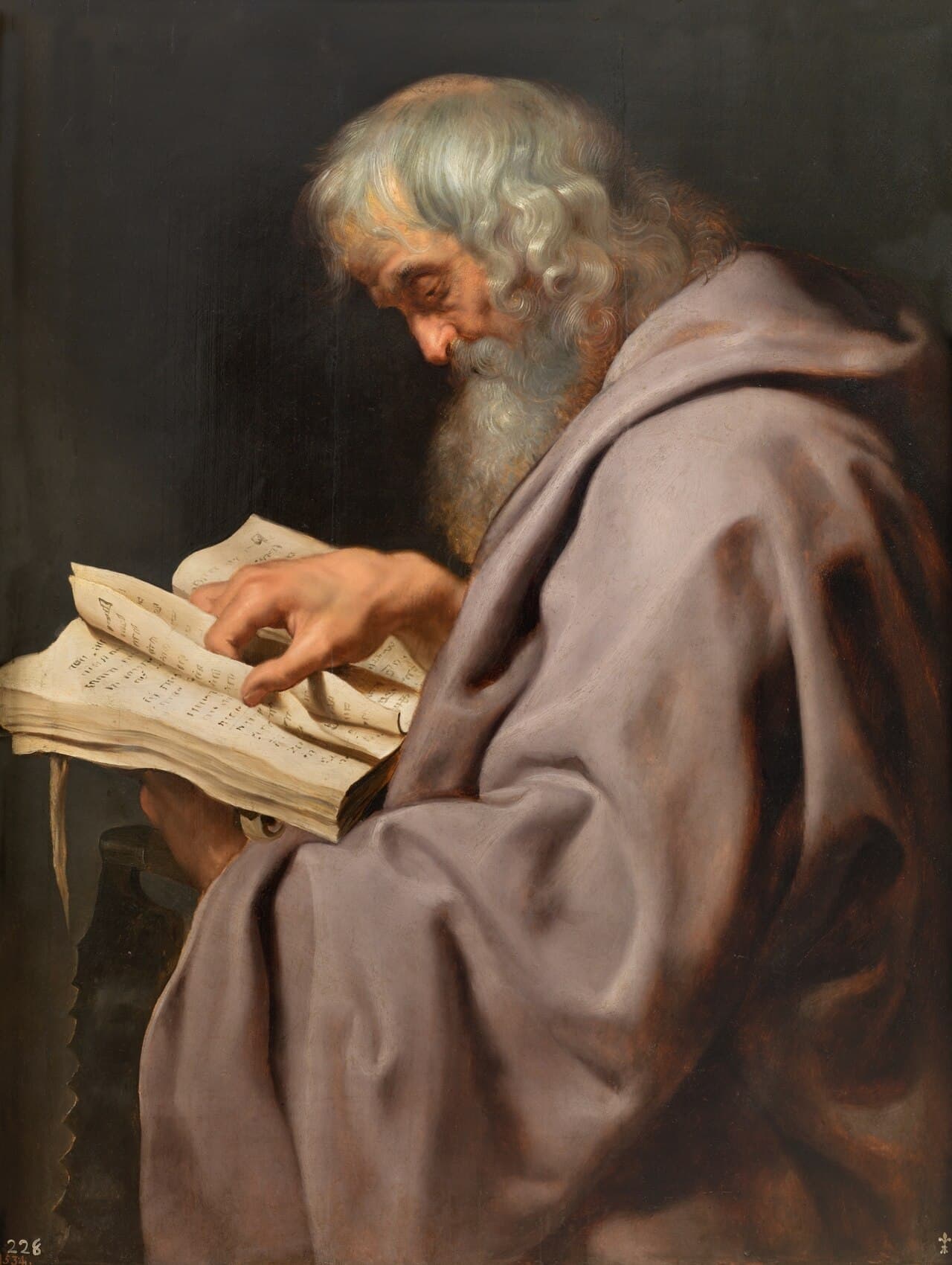
Simon the Zealot shares with James son of Alphaeus the distinction of being among the least documented of the twelve apostles. He says nothing in any canonical Gospel. He appears in every apostle list with the same qualifier — 'the Zealot' — and then vanishes from the New Testament record. His death tradition, which usually pairs him with Thaddaeus in a joint martyrdom in Persia, is attested only in late sources. The honest summary is short: we do not know how Simon the Zealot died.
Who Was Simon the Zealot?
'The Zealot' indicates either membership in the Zealot movement — a Jewish nationalist faction advocating violent resistance to Roman rule — or, more simply, a disposition of intense religious fervor. The Zealots as a formal organized party may not have existed in the form they later took (during the Jewish War of 66-70 AD) during Jesus' ministry. The significance of the name is that Simon shared the circle of twelve with Matthew the tax collector, whose work directly served Roman authority. Whatever the word meant, the contrast between these two men was not lost on the early church.
The Traditional Account
The most common Western tradition pairs Simon with Thaddaeus in a mission to Persia and a joint martyrdom there. The feast day they share in the Western church is October 28. The Acts of Simon and Jude, a late apocryphal text, narrates this mission in detail: both apostles preach in Persia, perform miracles, confront Zoroastrian priests, and are eventually killed by the crowd — Simon sawn in two, Thaddaeus killed by arrows or lance, in some versions.
Simon's iconographic symbol in Western art is a saw, derived from this tradition. An Eastern tradition, associated with the Coptic and Ethiopian churches, sends Simon to Egypt, North Africa, and eventually Britain — the British tradition is exceptionally late and almost universally rejected by historians.
What Ancient Sources Say
There are no early sources specifically about Simon the Zealot's death. The Synoptic Gospels name him. Acts 1 names him in the upper room. After that, the canonical record is silent.
Acts of Simon and Jude (fifth-sixth century AD) — Persian mission and martyrdom; the primary source for the tradition, and it is late.
Moses of Khoren (fifth century AD) — some Eastern sources connect Simon to the broader Eastern mission tradition, though not all identify him with Persia.
The Historical Assessment
Simon the Zealot's death tradition is among the weakest historically of all the apostles. The primary source — the Acts of Simon and Jude — is a late apocryphal text with no earlier attestation. The saw-martyrdom detail is not found in any source earlier than the medieval period. The joint tradition with Thaddaeus may preserve a genuine memory of a shared mission or may be a literary device in the apocryphal Acts.
Most historians who address Simon do so briefly and with similar conclusions: his post-Pentecost ministry and death are historically unknown. What is true is that he was called, he was numbered among the twelve, and he presumably went somewhere to preach. The record does not follow him.
Historical Confidence Rating: UNKNOWN. No early or reliable historical source attests to how Simon the Zealot died. The Persian martyrdom tradition rests entirely on a late apocryphal text. The saw-martyrdom detail has no early attestation.
Key Ancient Sources
Acts of Simon and Jude (fifth-sixth century AD) — the only narrative source; Persian martyrdom with Thaddaeus.
Further Reading
Martin Hengel, The Zealots (English translation, 1989) — historical study of the Zealot movement; context for understanding what 'Simon the Zealot' likely meant.
Bart D. Ehrman, Lost Christianities (2003) — treatment of the apostolic traditions including the lesser-known figures.
This article is part of our series on the deaths of the apostles: Peter, Andrew, James son of Zebedee, John, Philip, Matthew, Thomas, James son of Alphaeus, Thaddaeus, Judas Iscariot, Matthias, Bartholomew, and Paul.