Library
Demonology
Demons
The word comes from the Greek daimon. Not evil by definition. In the ancient world, a daimon was an intermediate spirit, a force operating between the human and the divine. Something with a specific character and a specific domain.
The Christian tradition eventually collapsed that word into a single meaning: the fallen angel, the adversary, the enemy of God. That tradition is real and has deep roots. But it is not what the demonological literature is actually doing, and it is not how the texts read when you look at them carefully.
The Ars Goetia
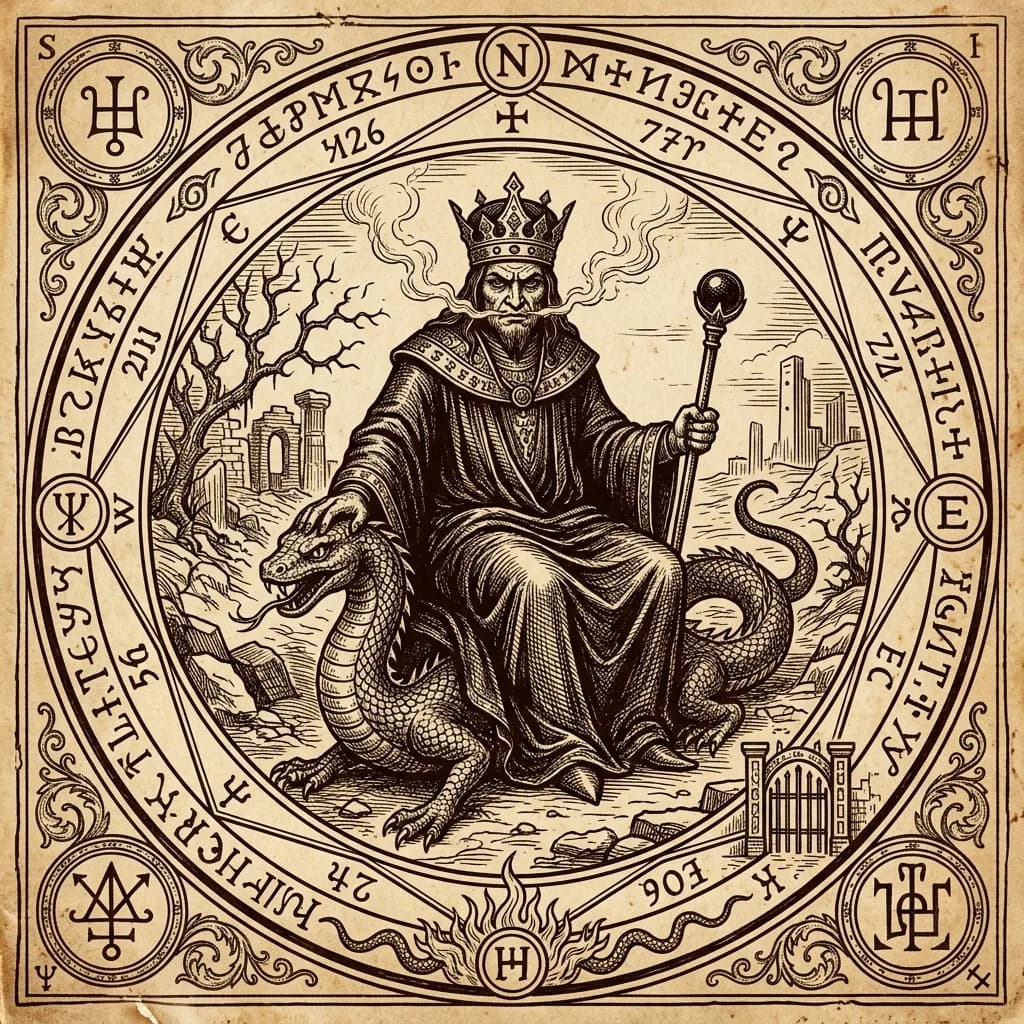
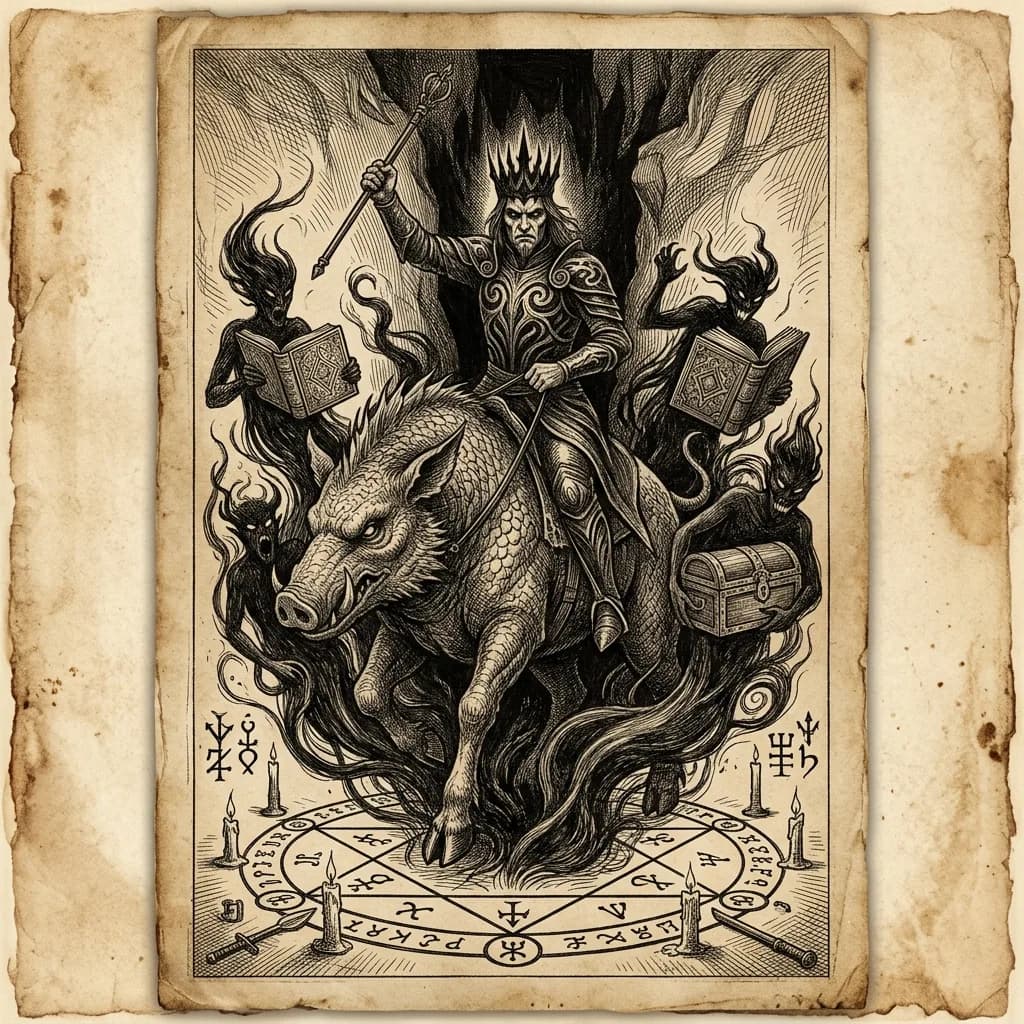
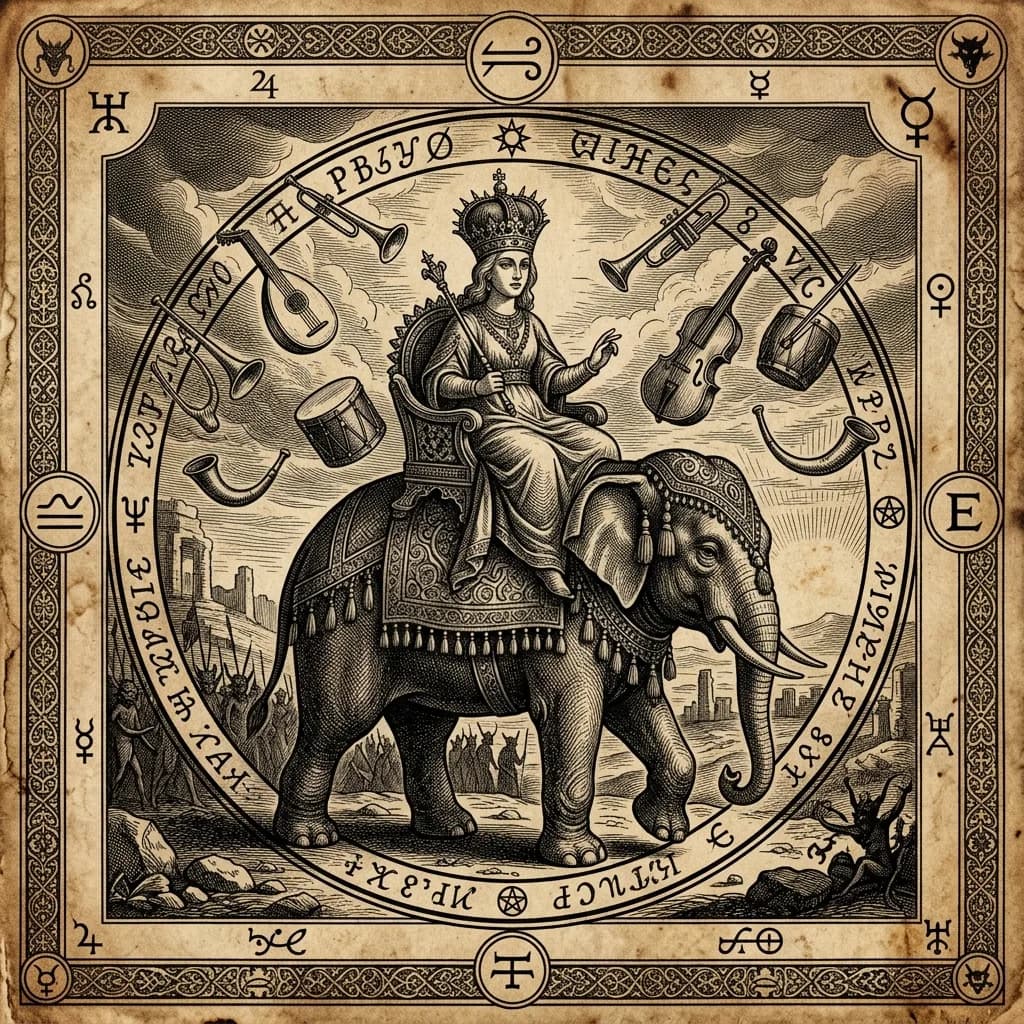
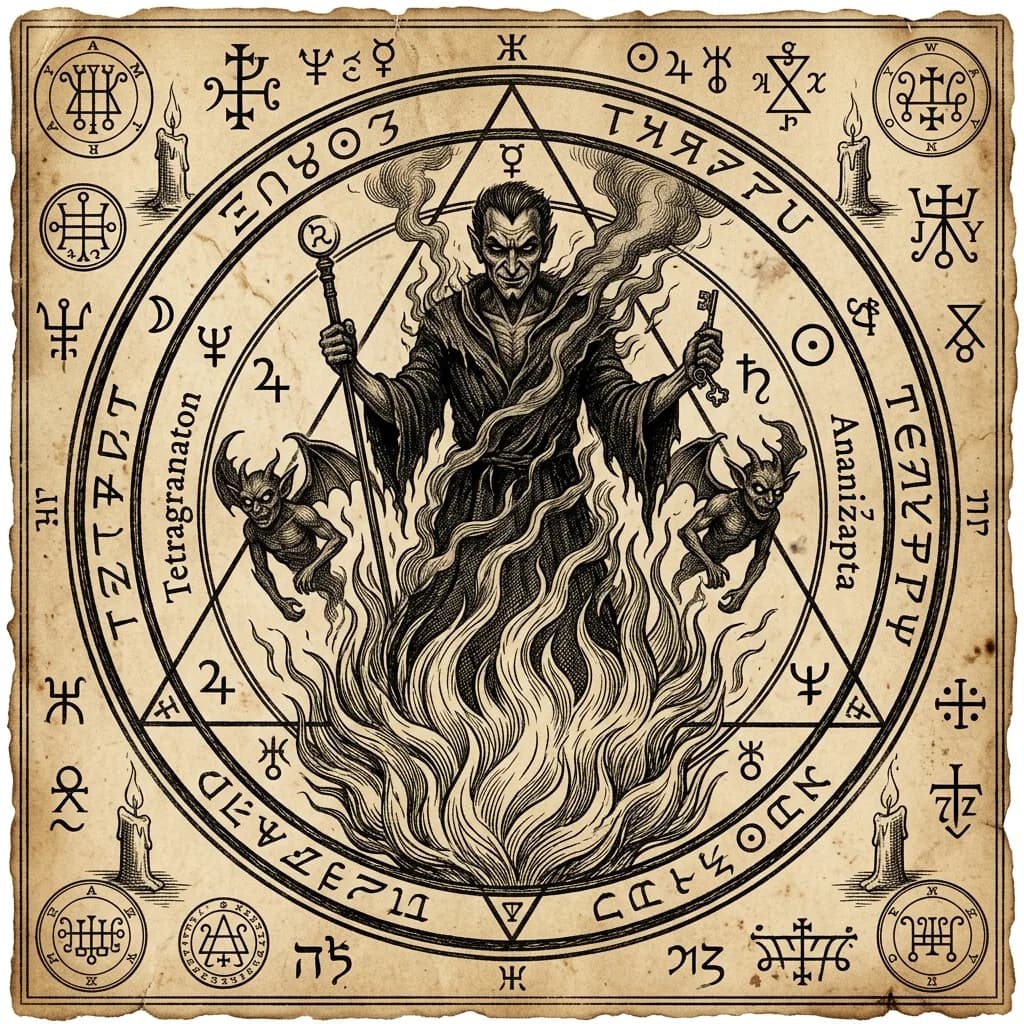
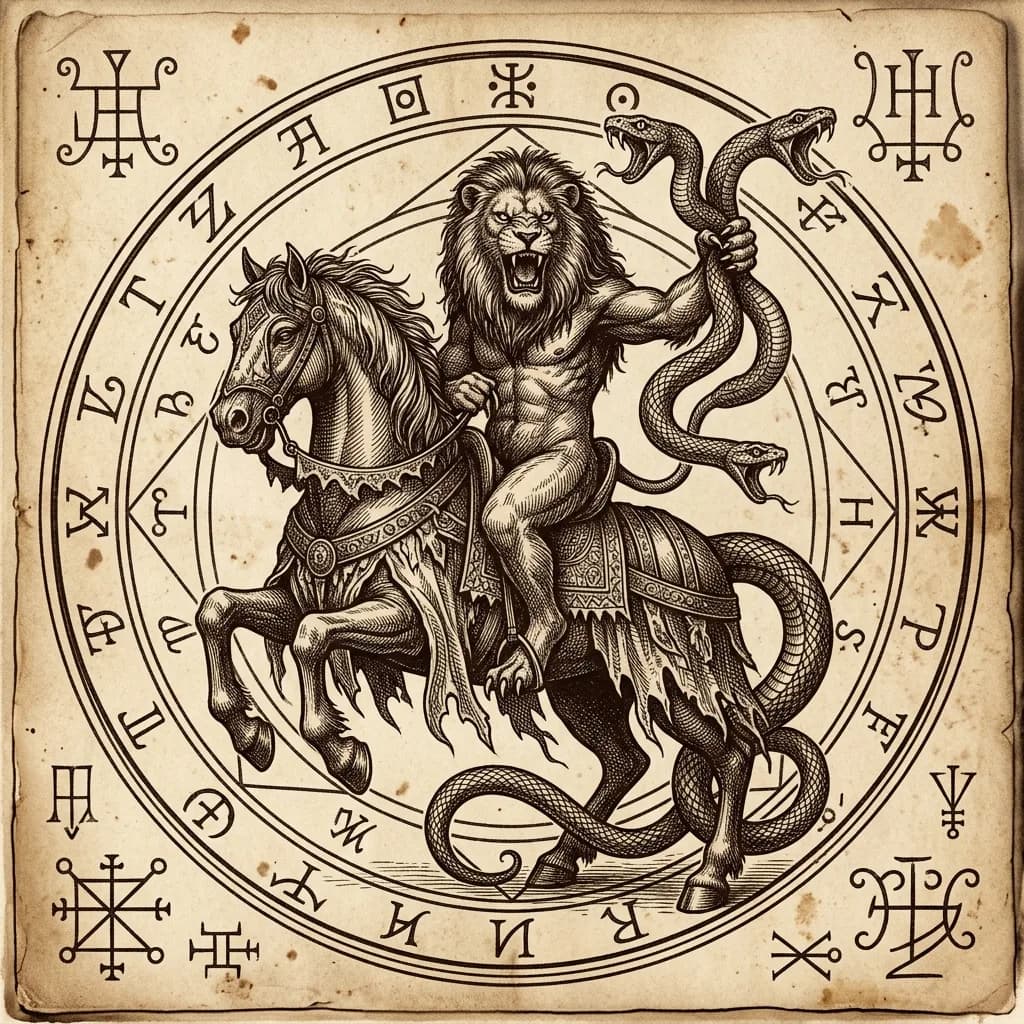
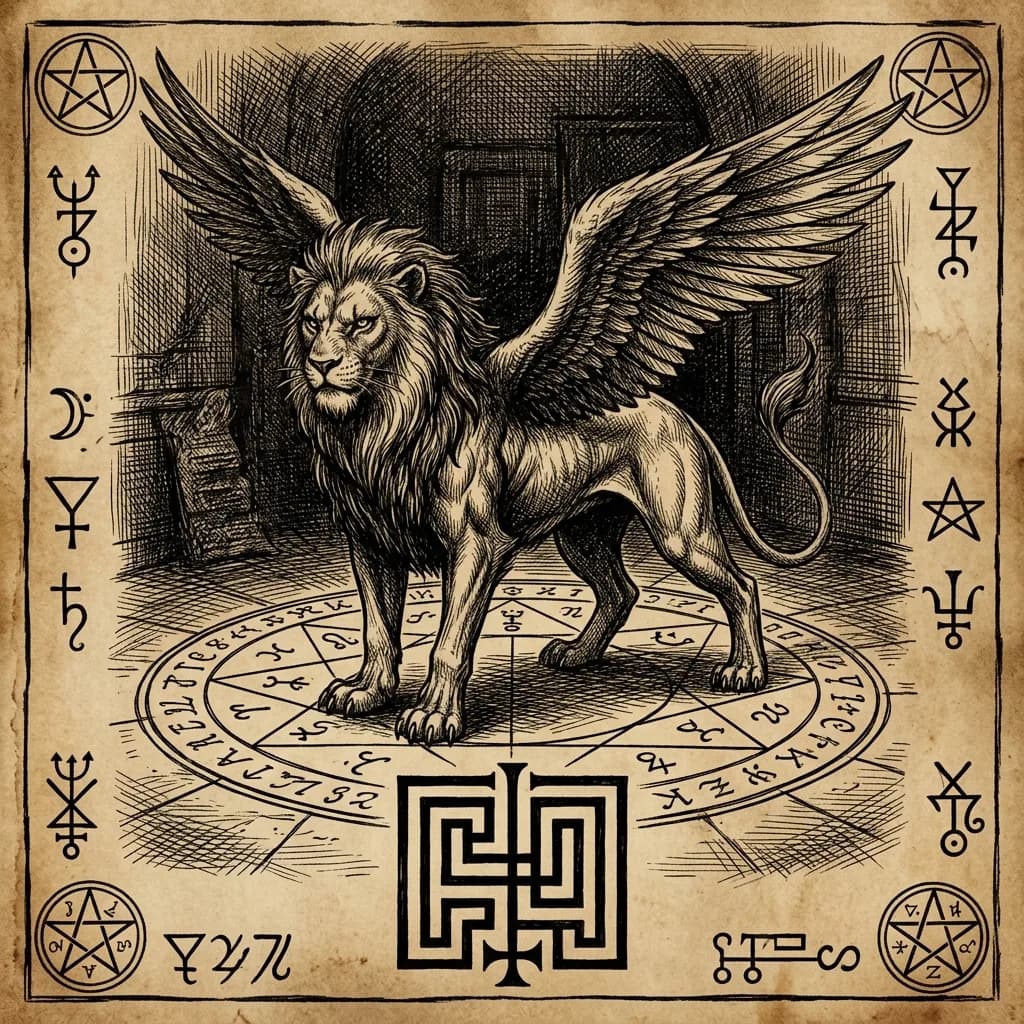
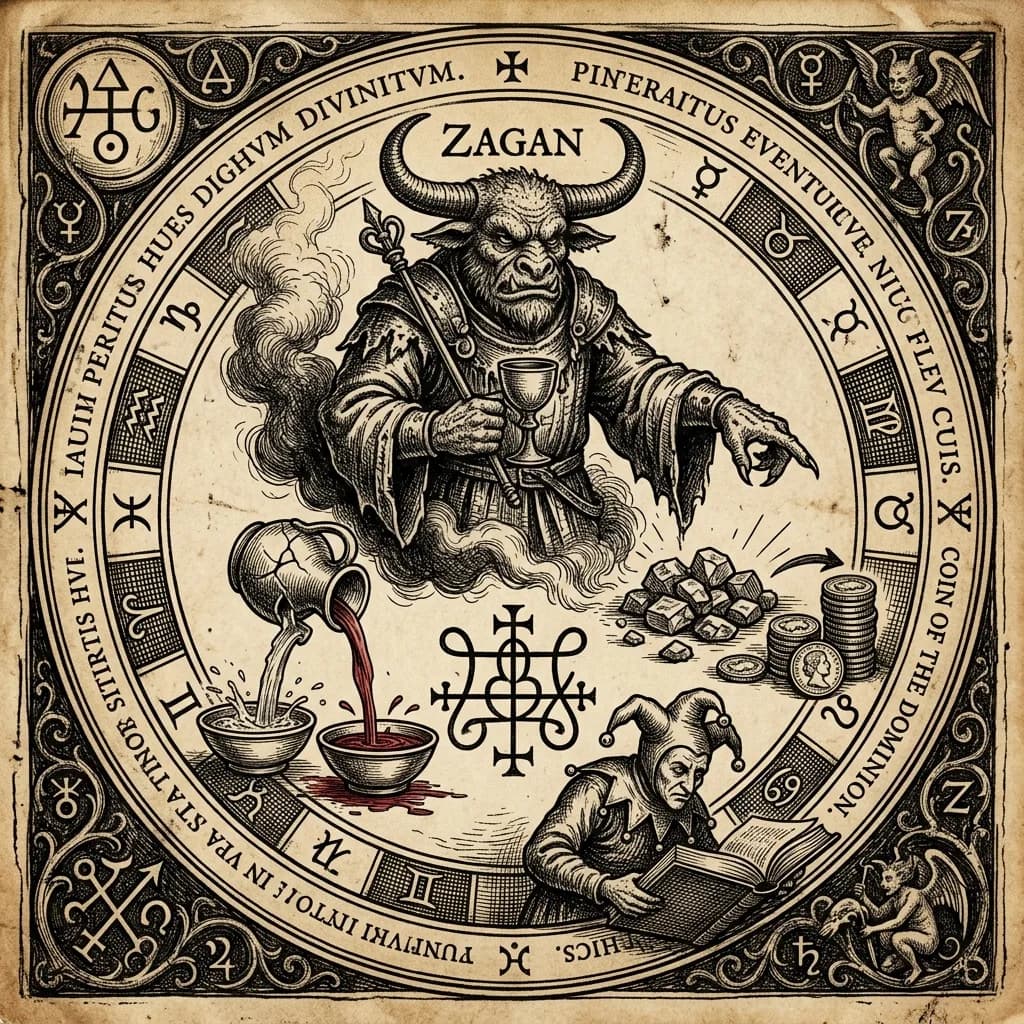
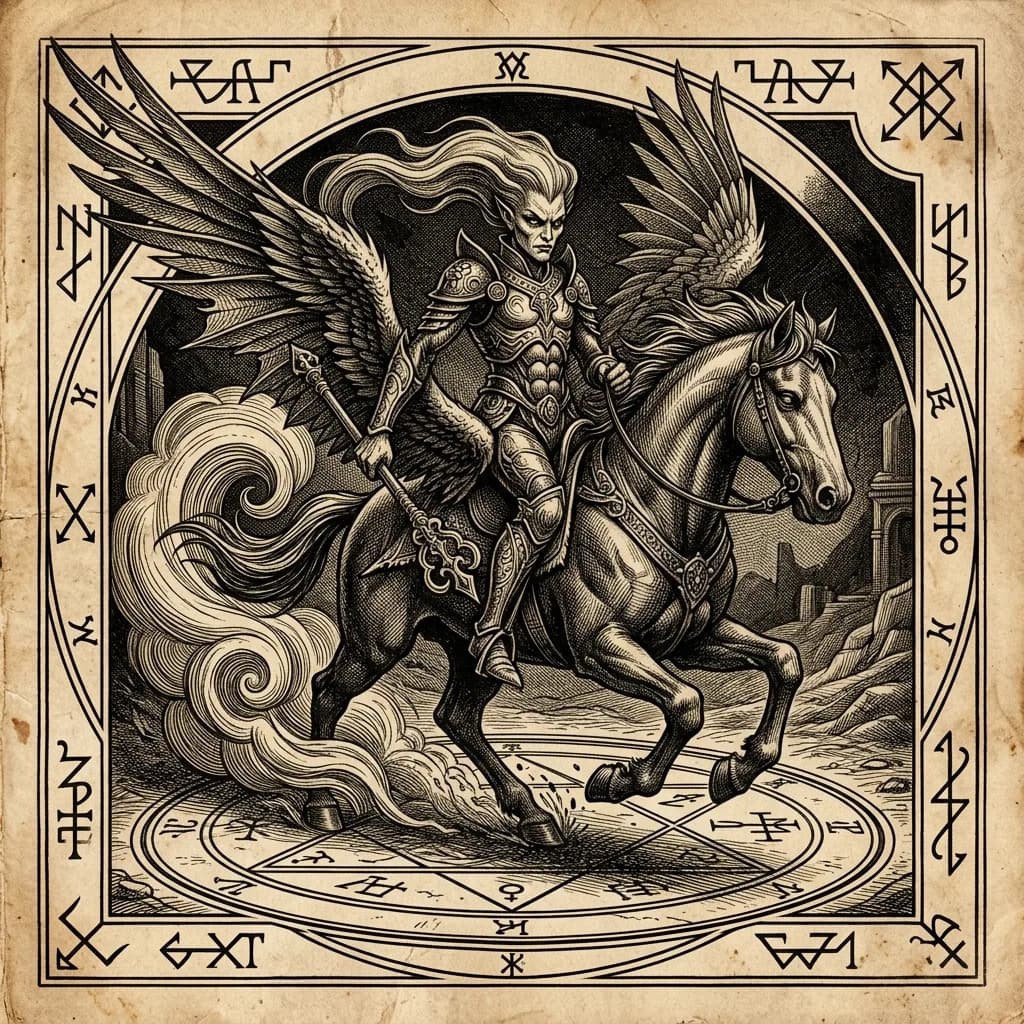
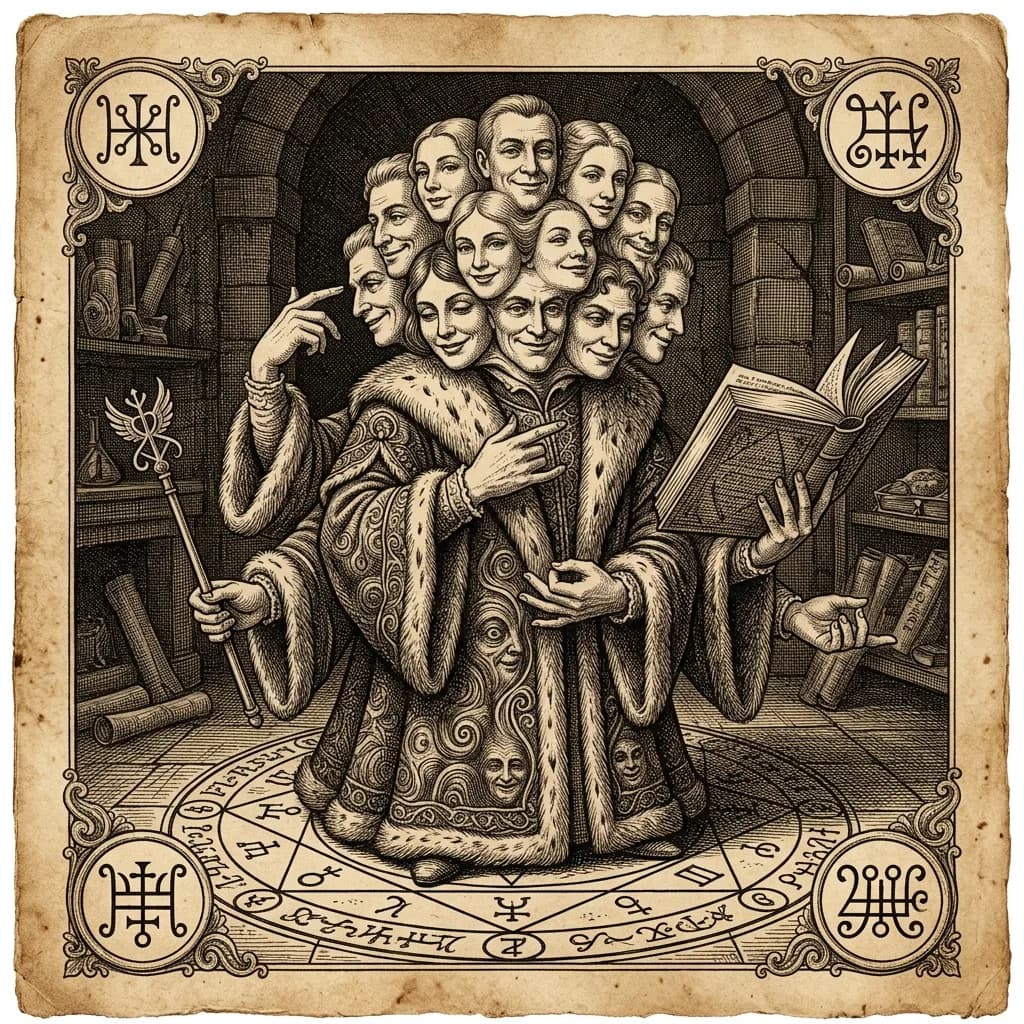
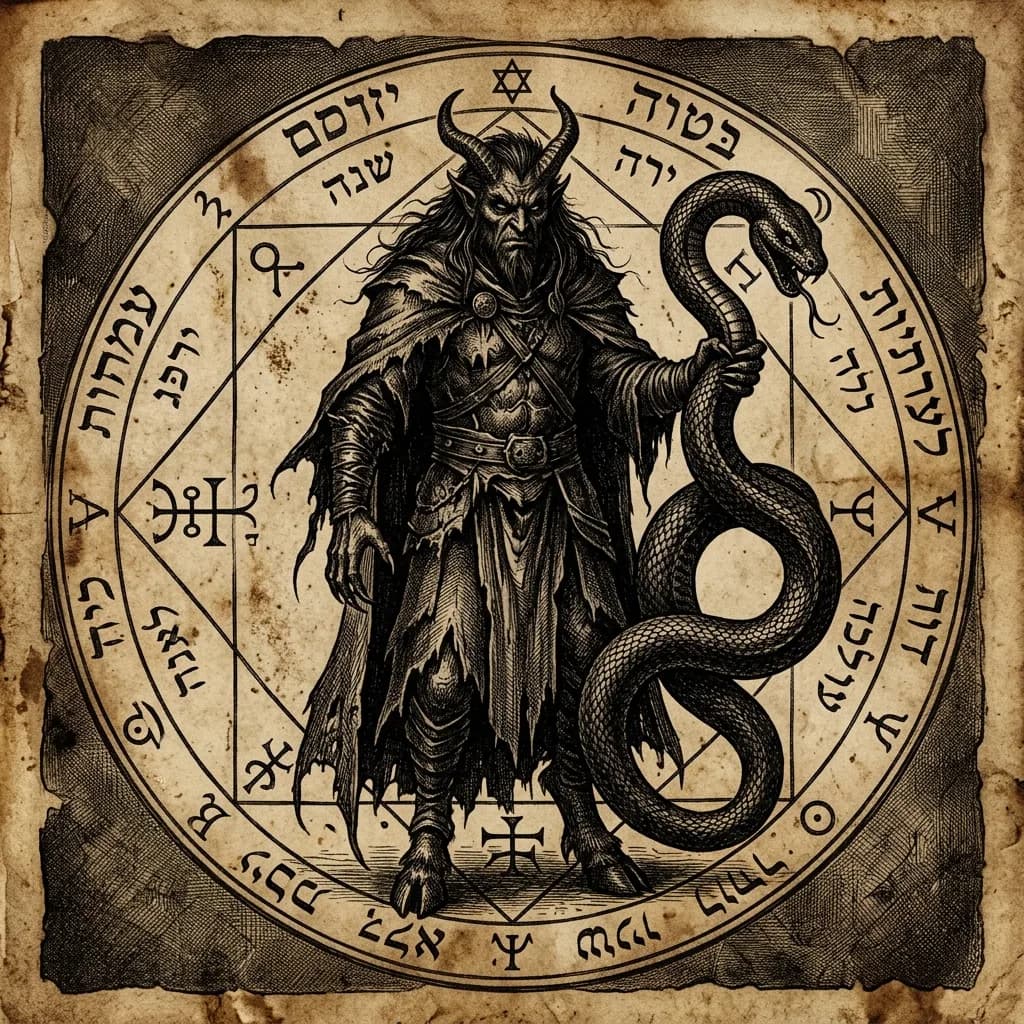
The Ars Goetia is the first book of the Lesser Key of Solomon, a 17th-century grimoire compiled from sources reaching back to the 16th century and further still. It names 72 spirits. Each one has a rank within a military hierarchy of kings, dukes, princes, marquises, earls, knights, and presidents. Each has a seal. Each has a described appearance. And each has a set of powers.
The roots of this tradition go back to the Testament of Solomon, a text from the first through fifth centuries CE, in which King Solomon summons each spirit individually and interrogates it to conscript it for building the Temple. The spirits in the Testament are not described as uniformly malevolent. They are described as specific. Each one has a domain, a weakness, and an angel that binds it.
The ranks, seals, and conjuration procedures are what most people notice. They are not what matters.
What the powers describe
The powers are what matters. Each spirit is defined by what it does: not in vague spiritual terms, but precisely. The person who can make anyone love them. The one who sees through deception but cannot be seen through. The operator whose every action generates conflict as a byproduct. The one who takes discredited things and restores them to legitimacy.
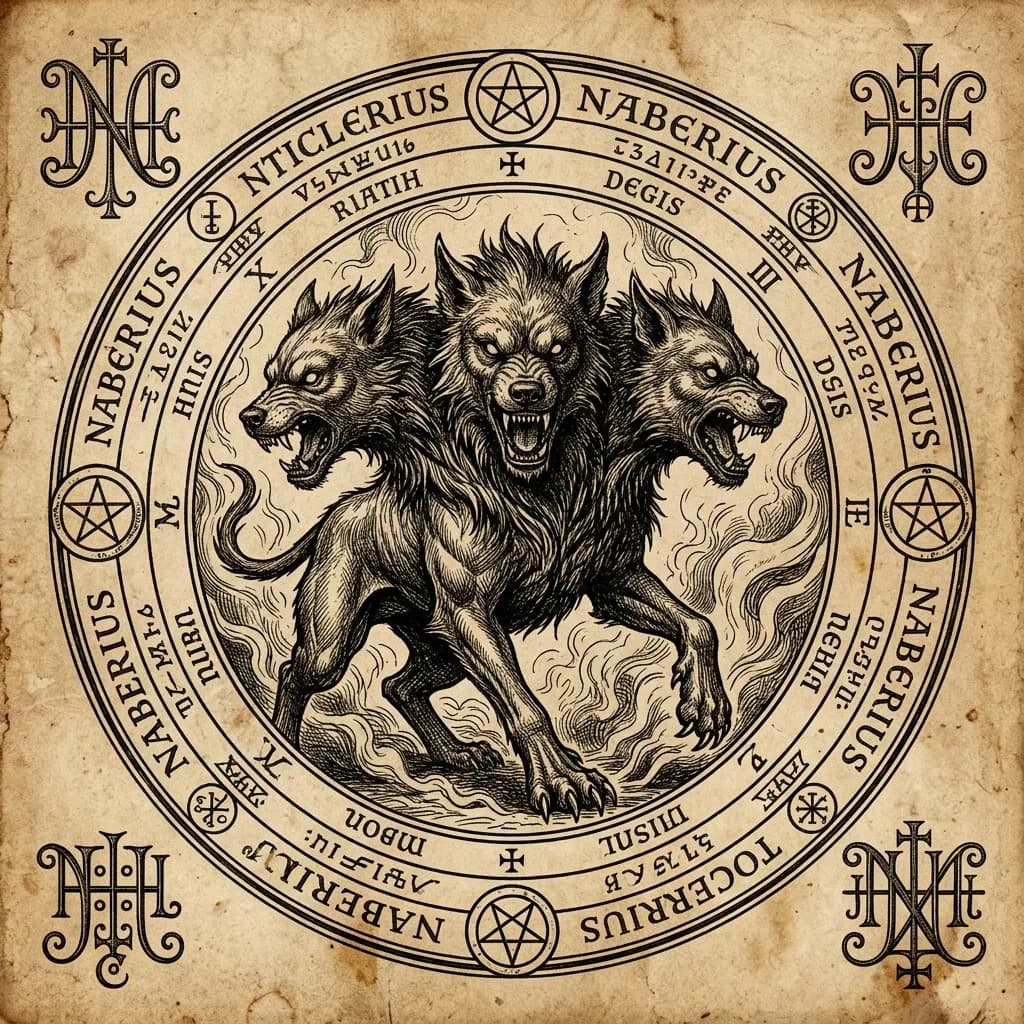
Take Naberius, the 24th spirit. He “maketh men cunning in all arts and sciences, but especially in the art of rhetoric.” He “restoreth lost dignities and honours.” Read that carefully. This is not a description of a supernatural gift. It is a description of a specific, repeatable pattern: the person who does not need expertise in any field because they command how discourse about that field works, and who specializes in rehabilitating discredited things back into mainstream acceptability. You have seen this. The Ars Goetia named it.
This is consistent across all 72. When the powers are read precisely, not as metaphor and not as superstition, they describe real patterns in human affairs. Modes of influence, conflict, perception, and control that repeat across history and context. The authors who compiled this taxonomy were trying to name something. The question is not whether you believe in demons. The question is whether you can read what they wrote.
Scholar
Where each spirit operates today
For each of the 72 spirits, we have identified a contemporary figure whose operational mode matches the archetype. The first paragraph of each spirit's real-world analysis is visible to everyone, with identifying information redacted. Scholar subscribers see the names.
The analysis itself is free. Read a spirit's description. You will have seen this before.
The 72 spirits
72 entries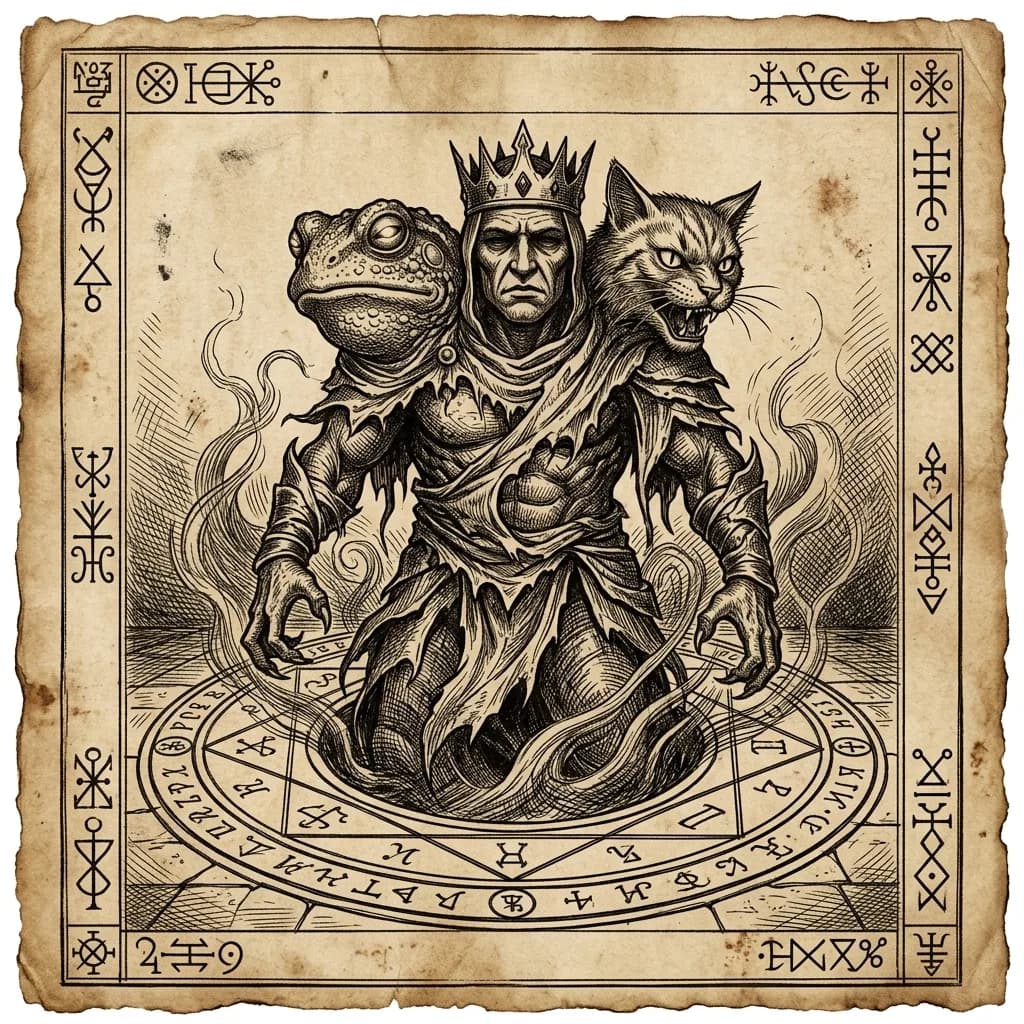
#1
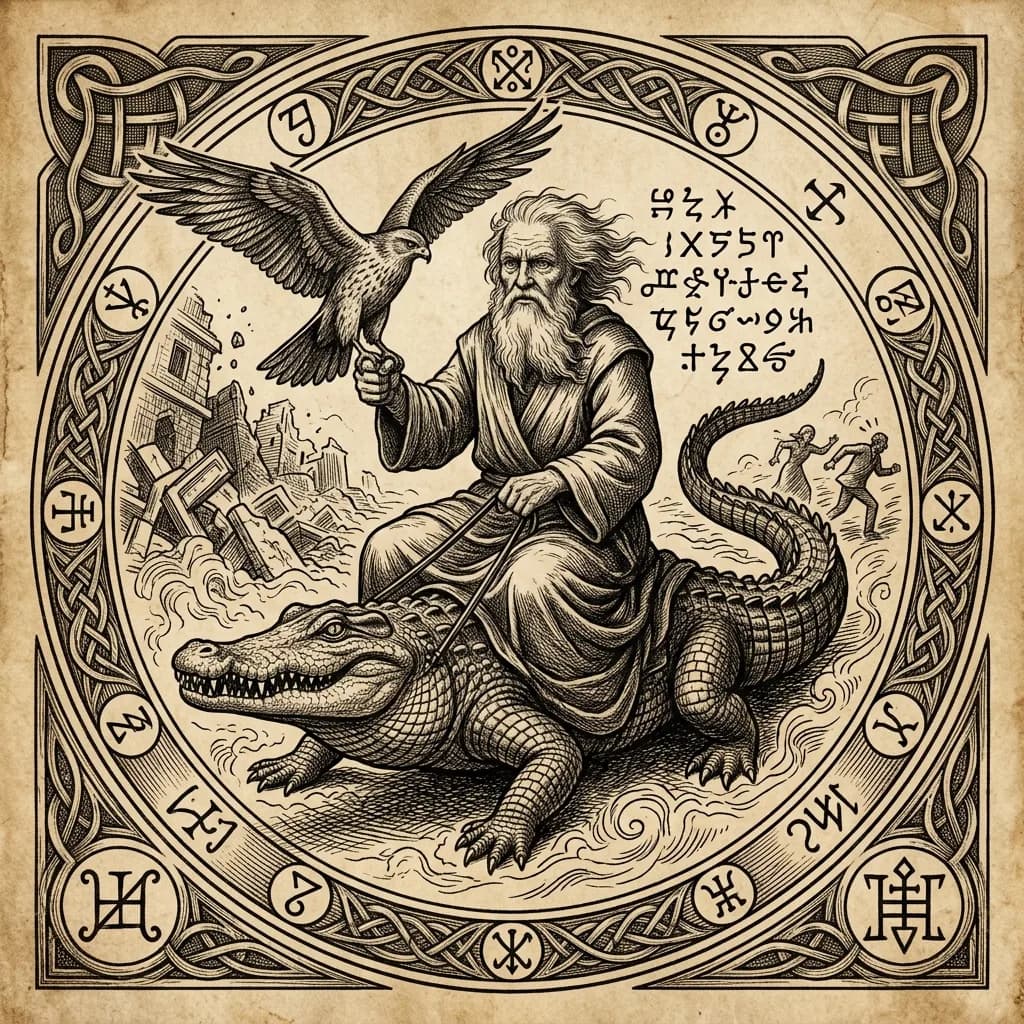
KingBael
#2
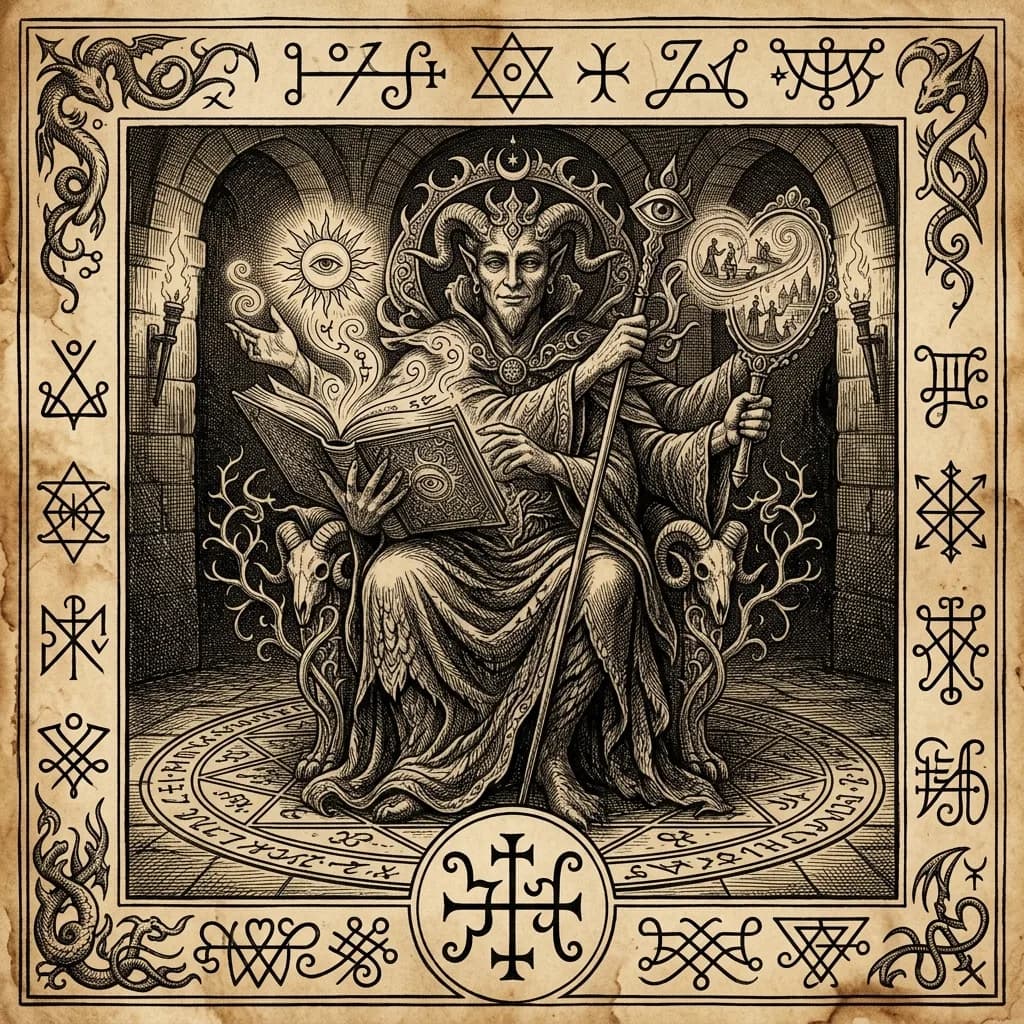
DukeAgares
#3
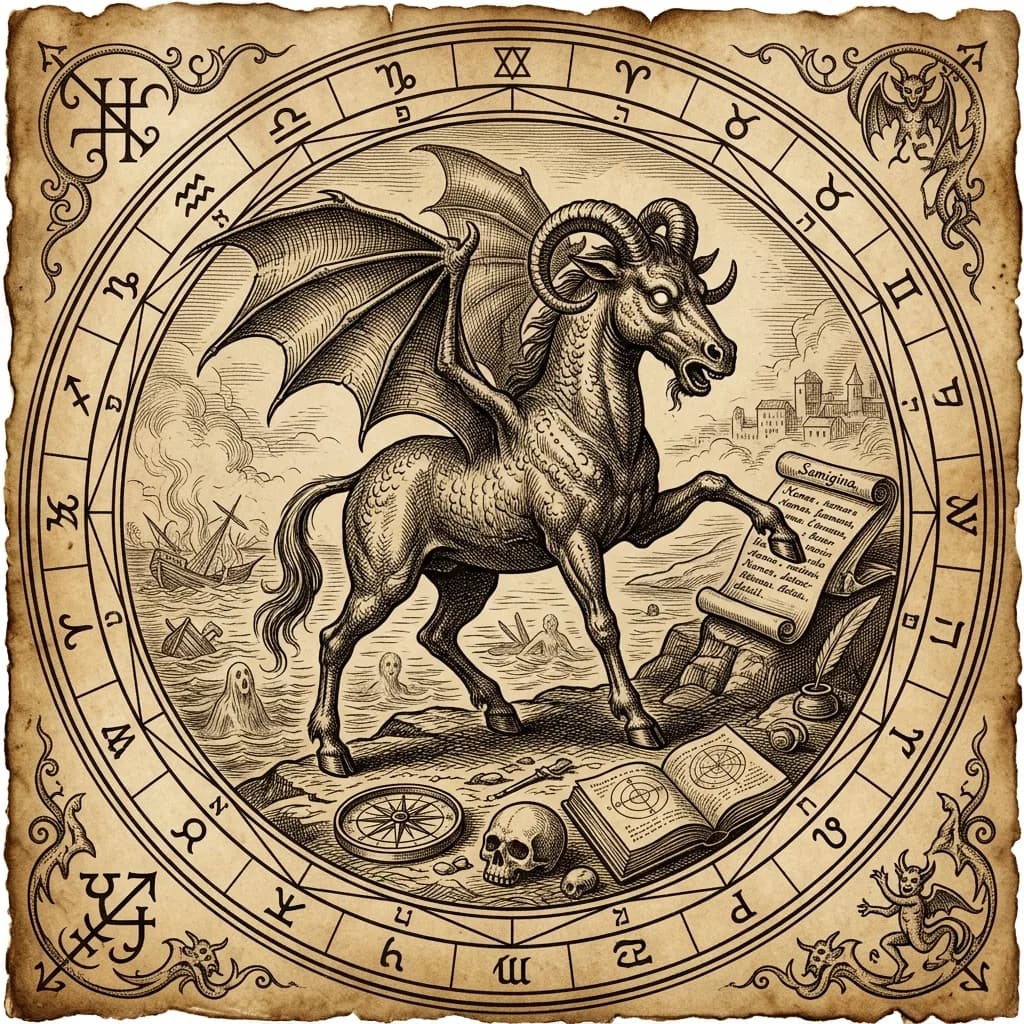
PrinceVassago
#4
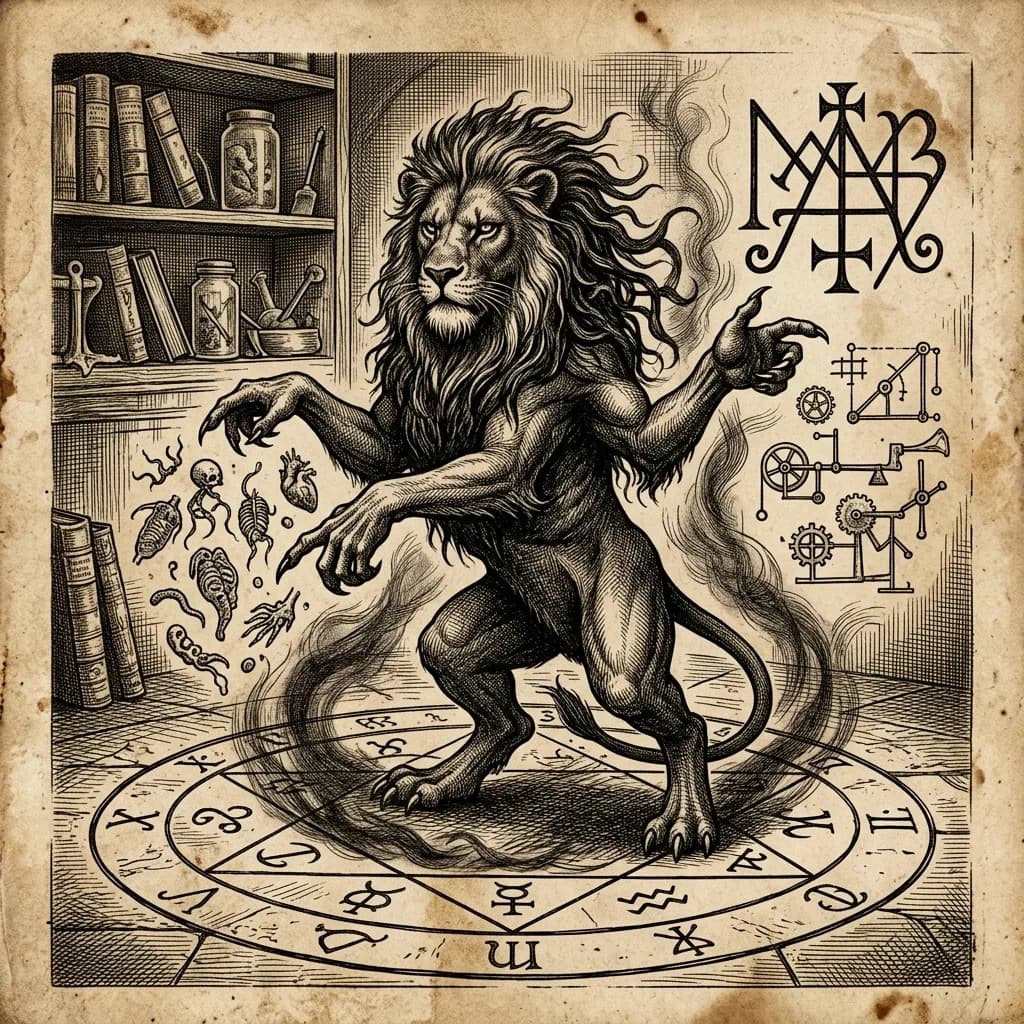
MarquisSamigina
#5
Great PresidentMarbas
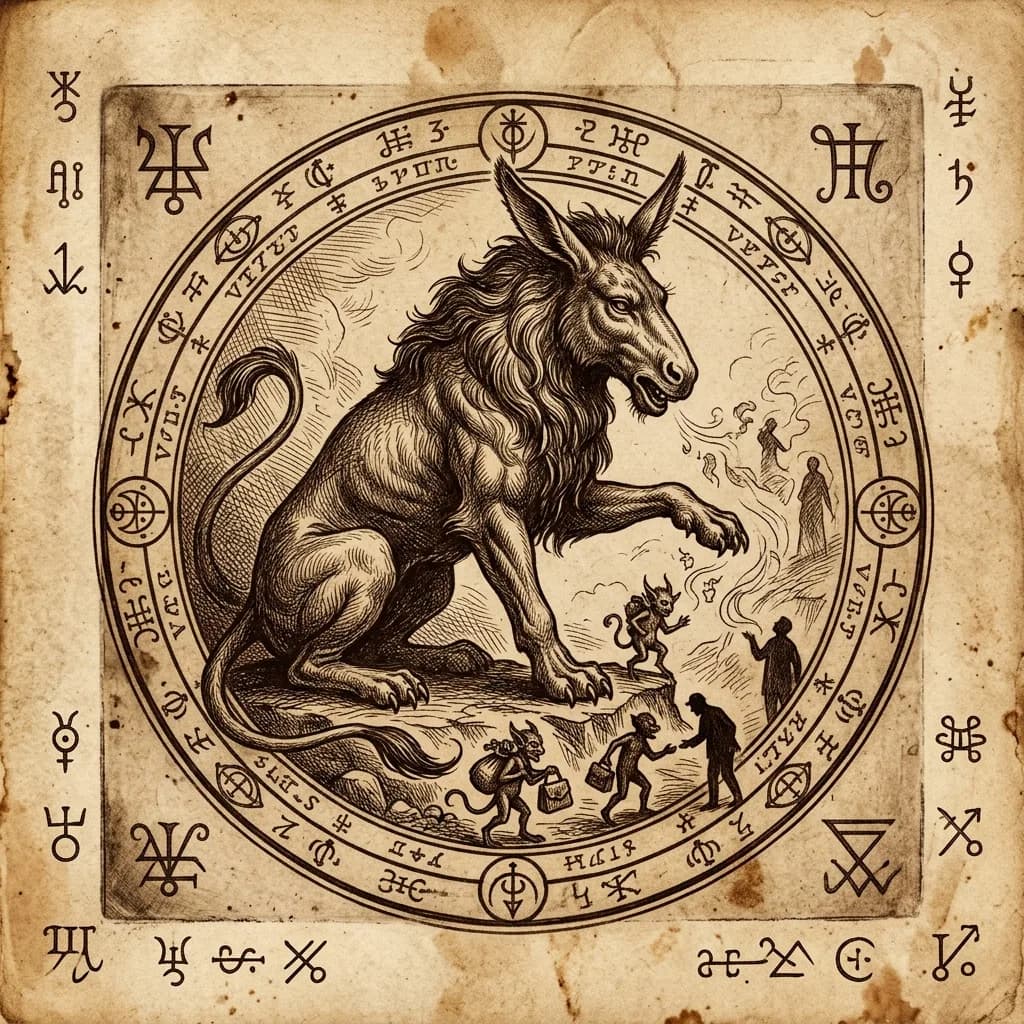
#6
DukeValefor
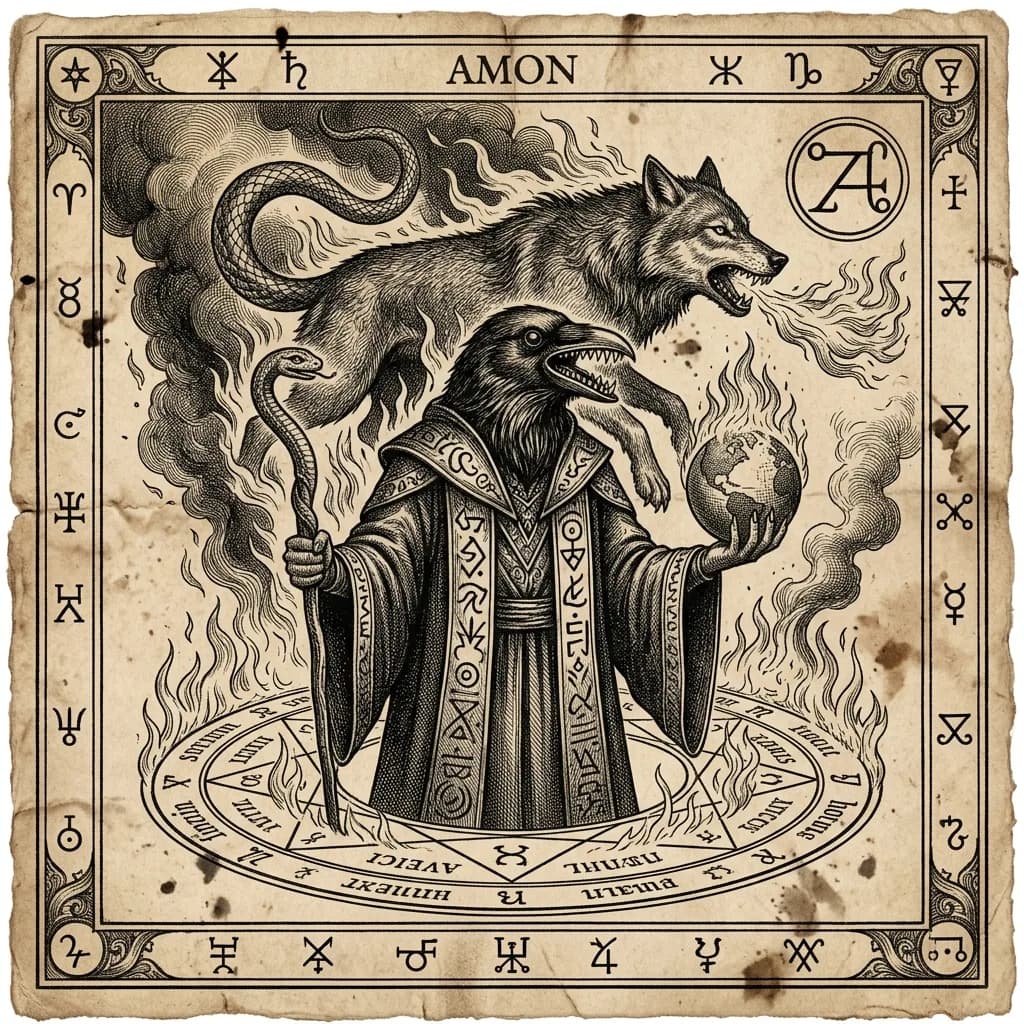
#7
MarquisAmon
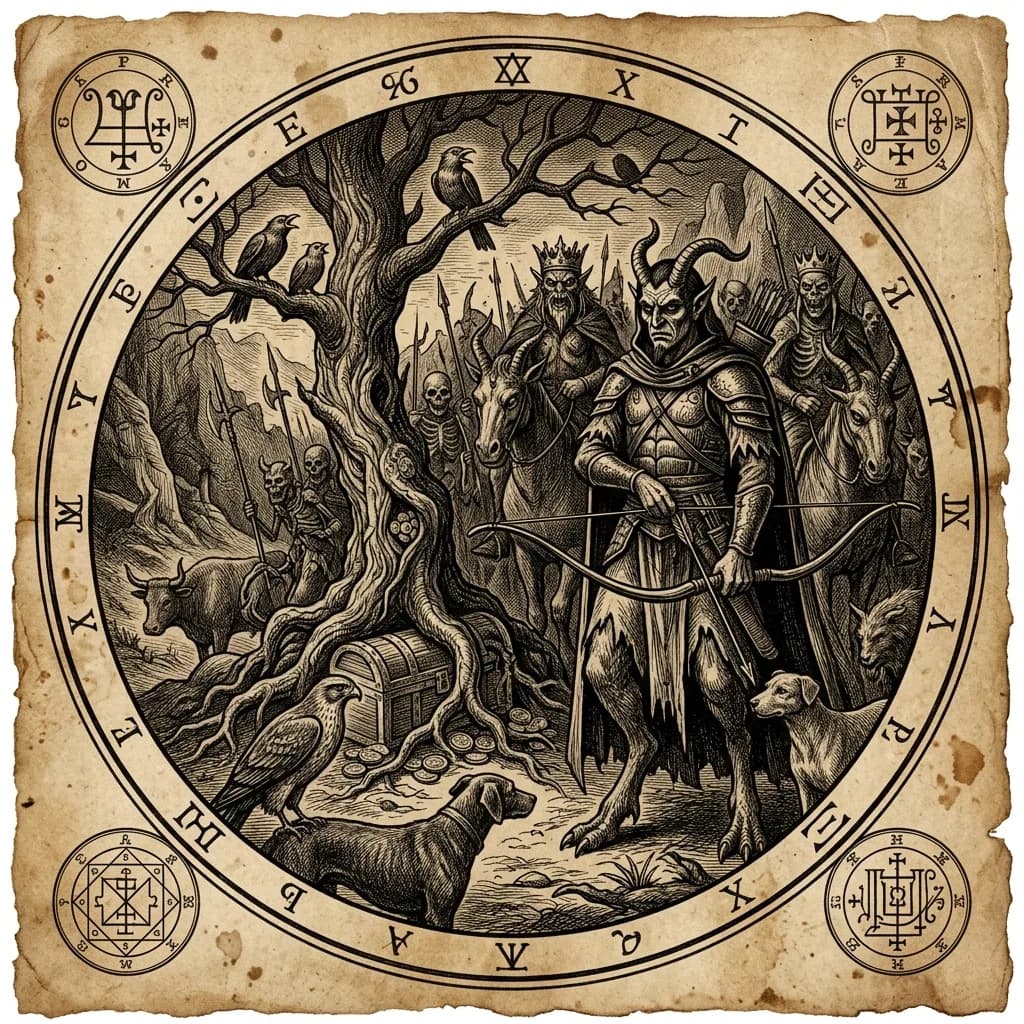
#8
DukeBarbatos
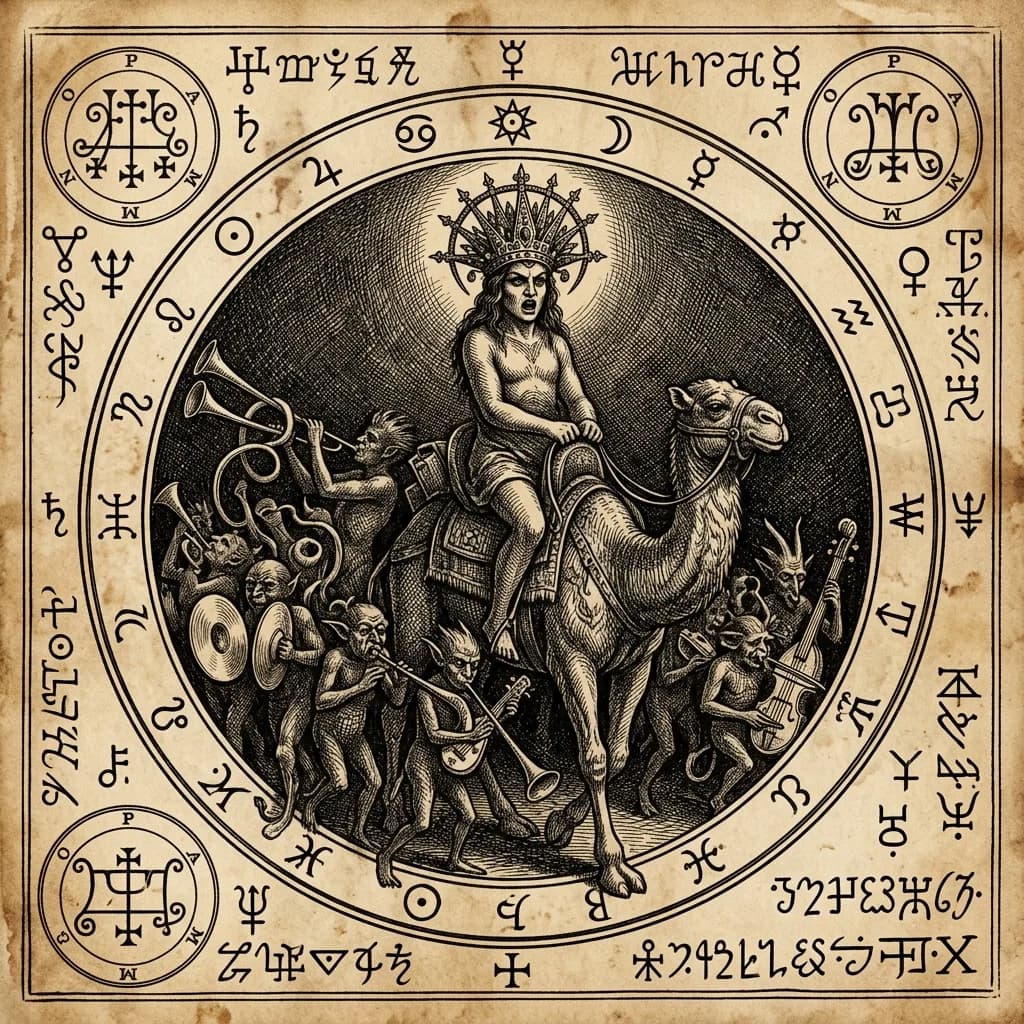
#9
Cardinal KingPaimon
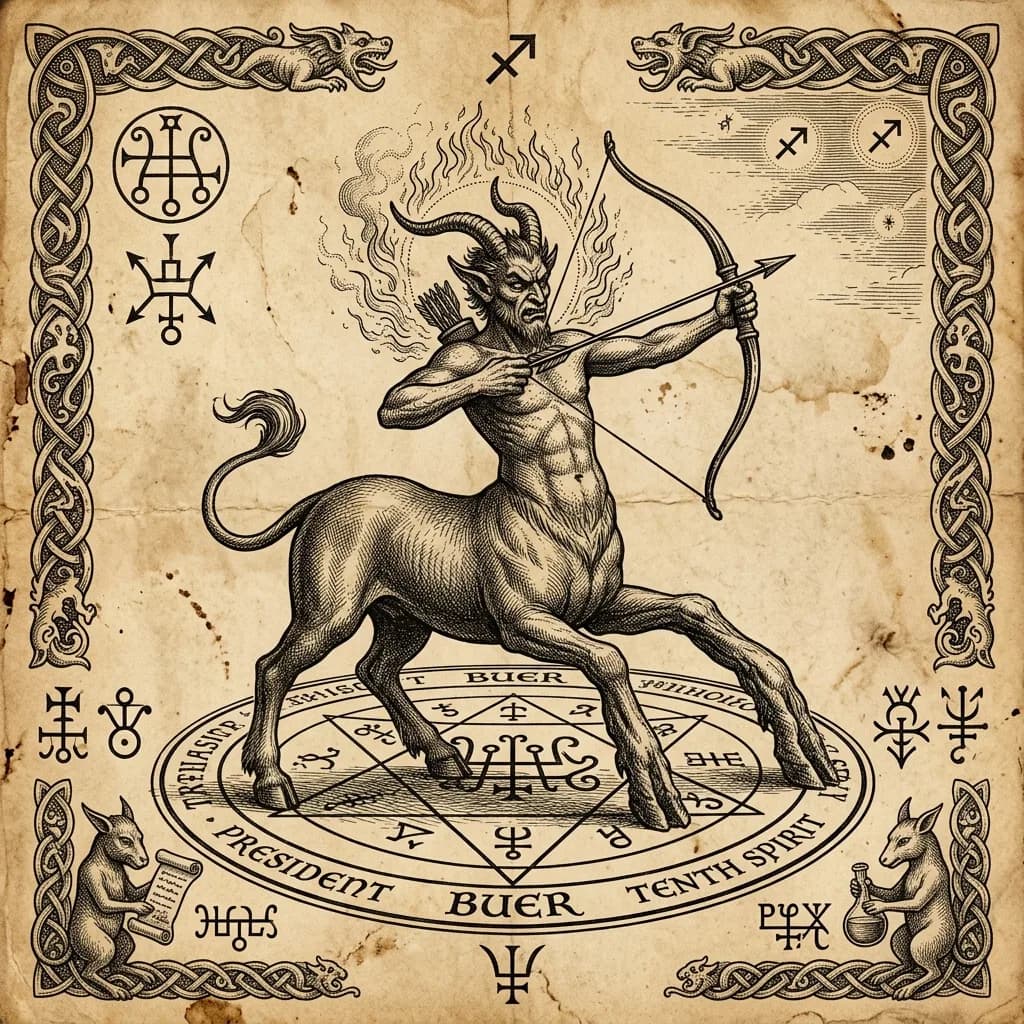
#10
PresidentBuer
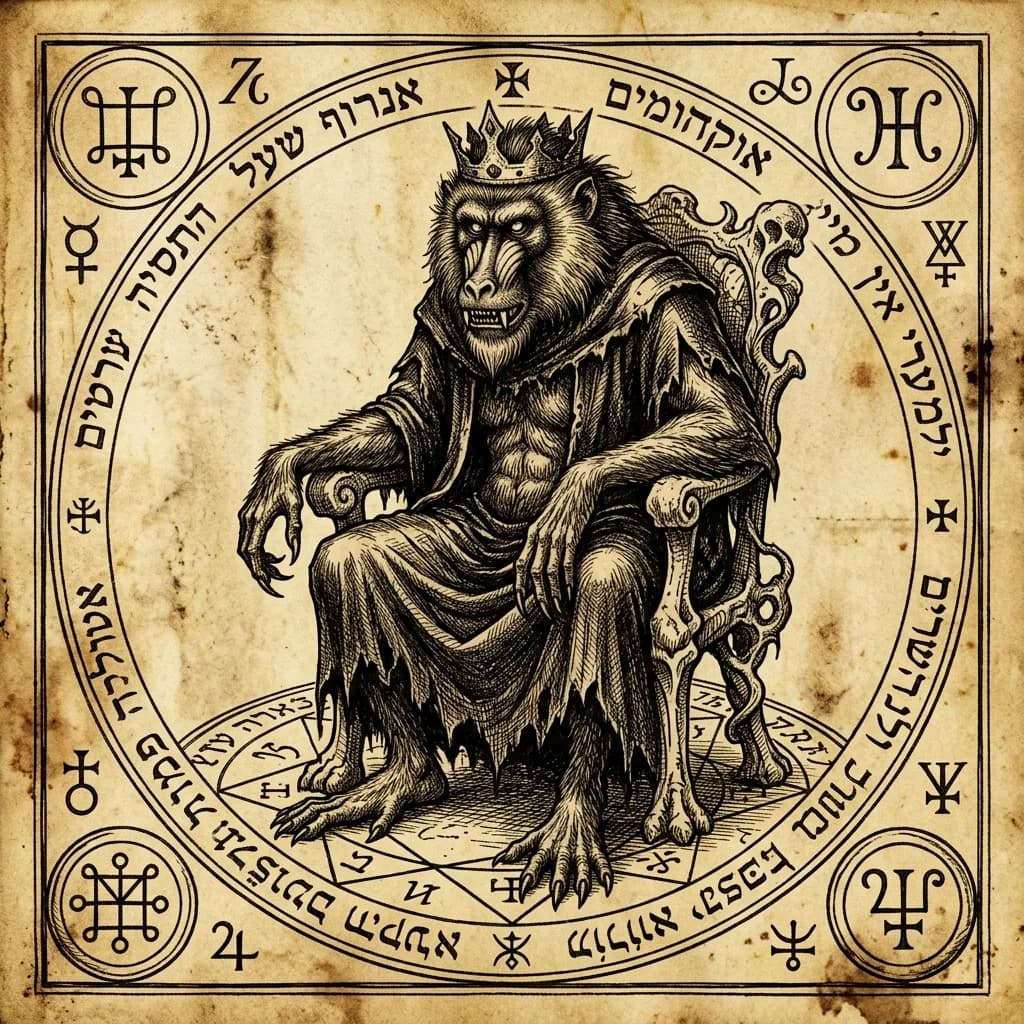
#11
DukeGusion
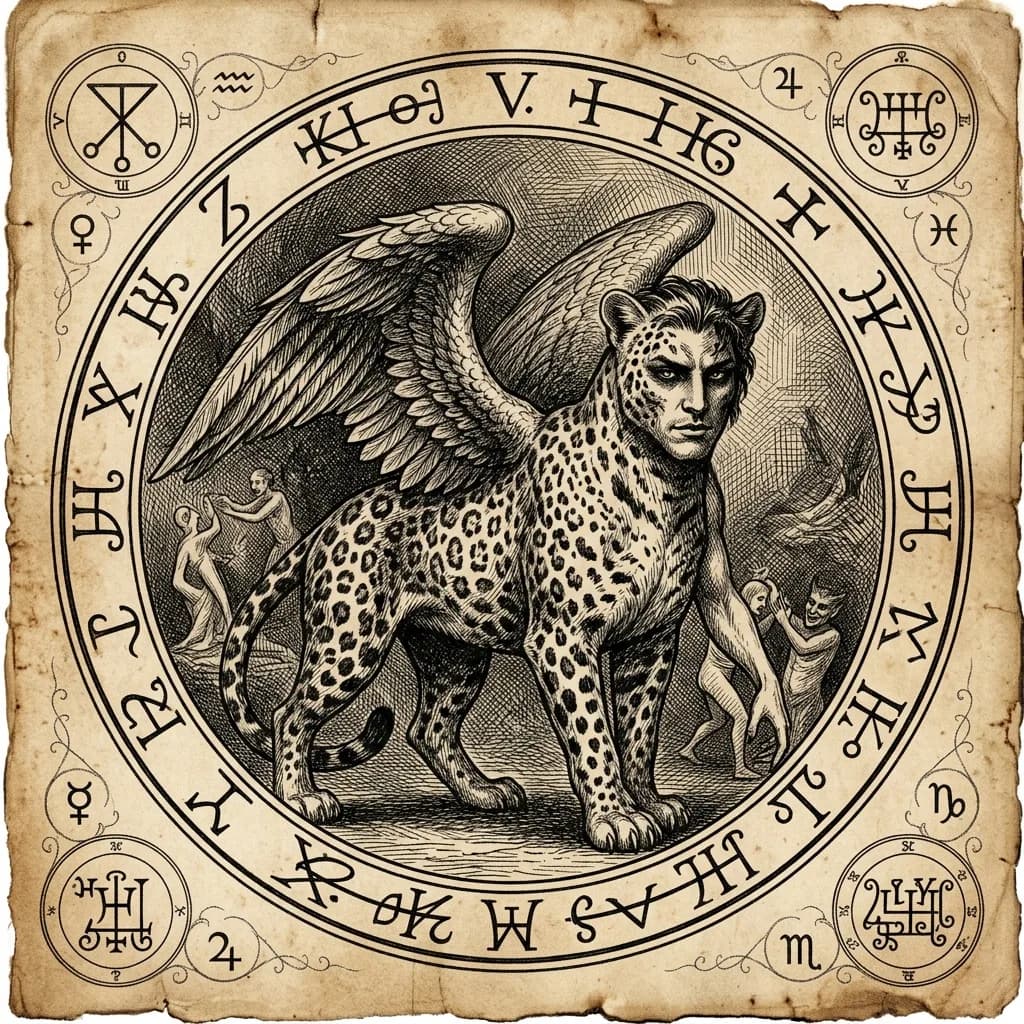
#12
PrinceSitri
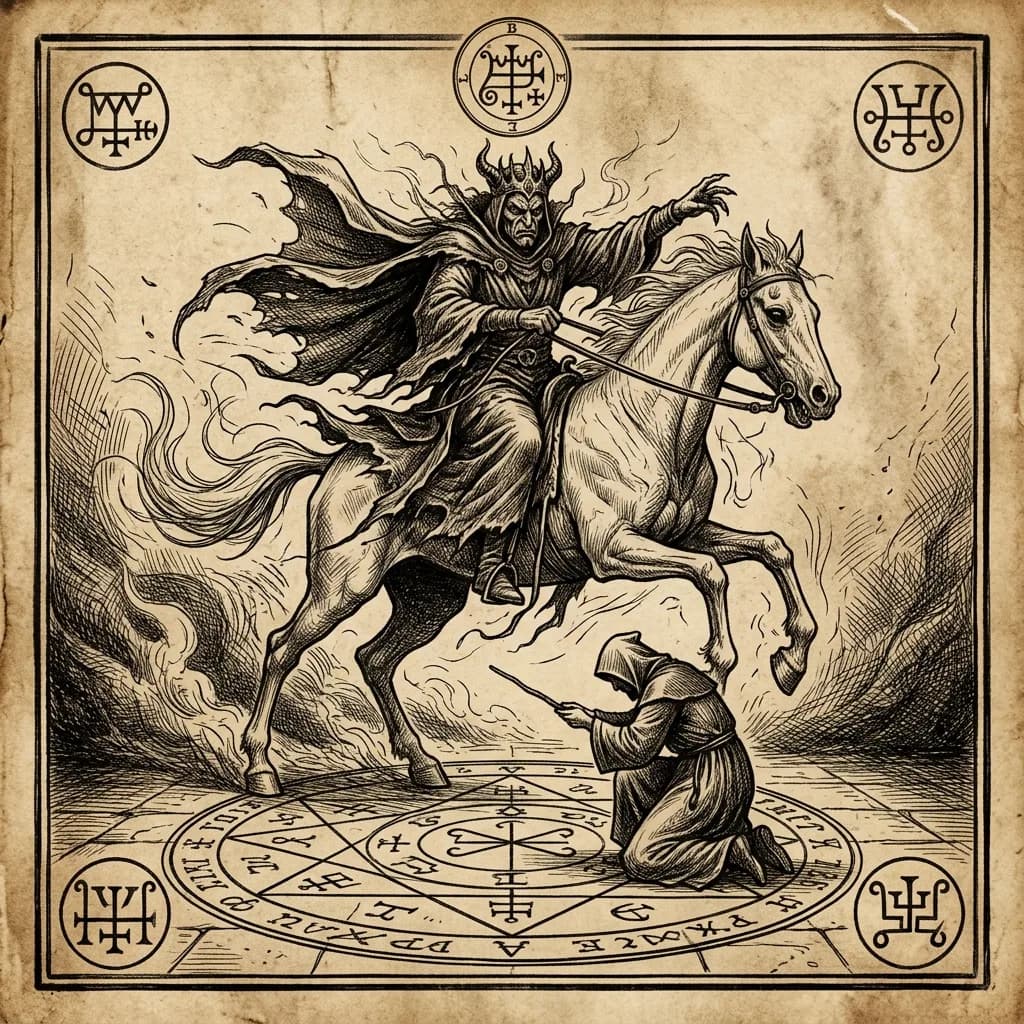
#13
KingBeleth
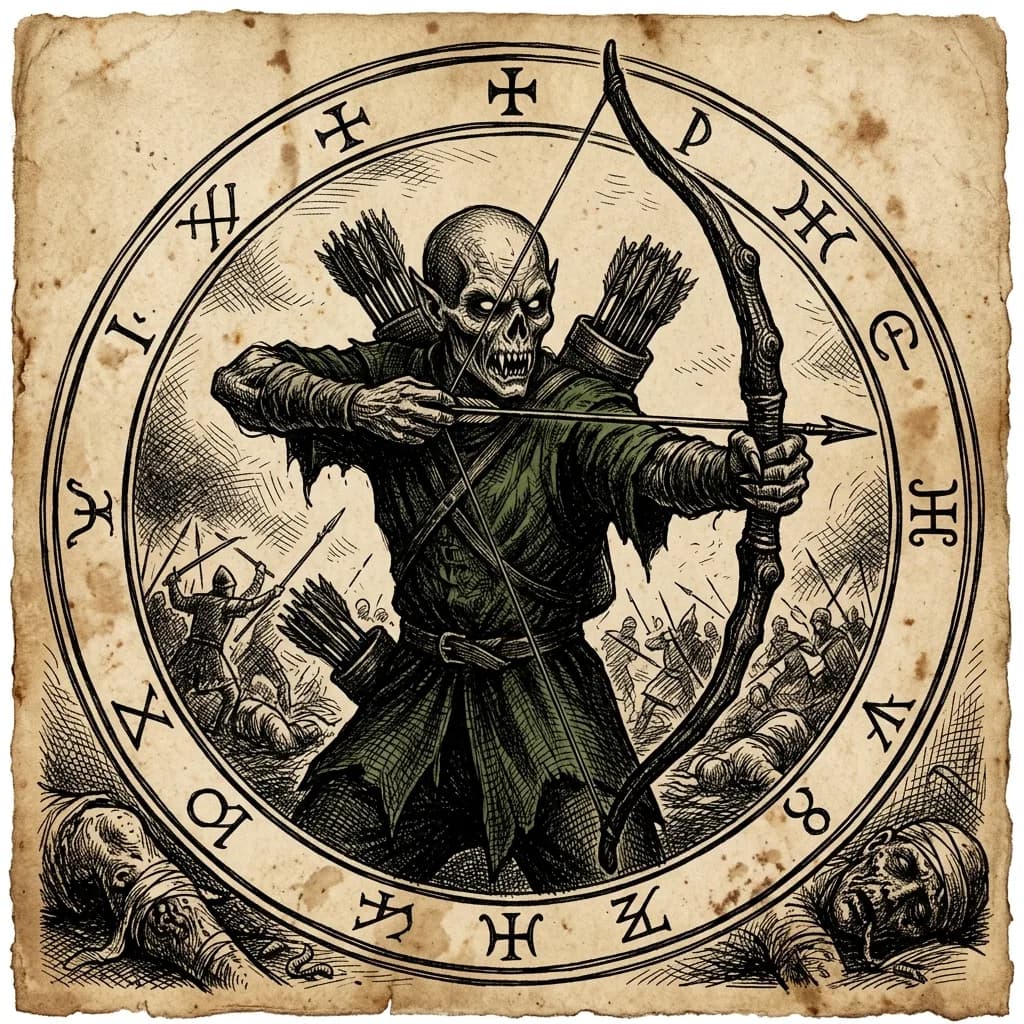
#14
MarquisLeraje
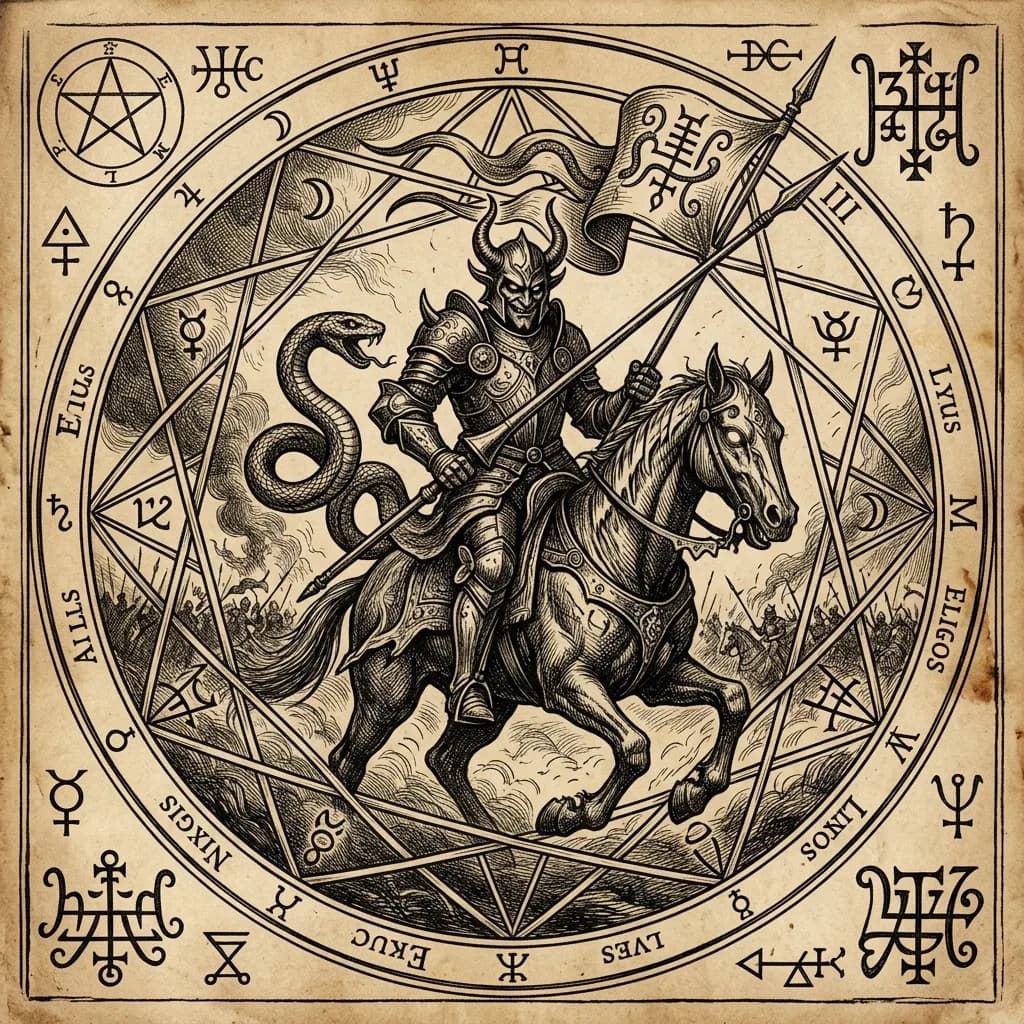
#15
DukeEligos
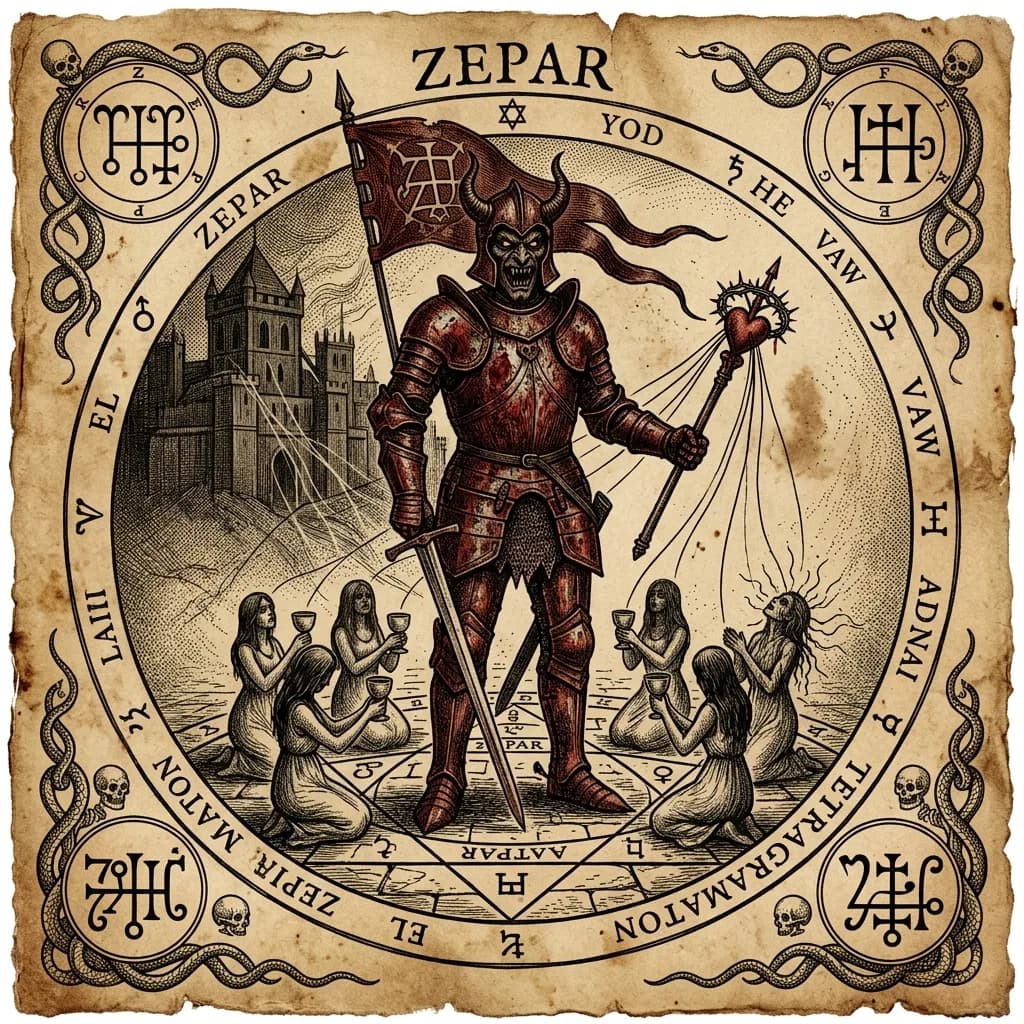
#16
DukeZepar
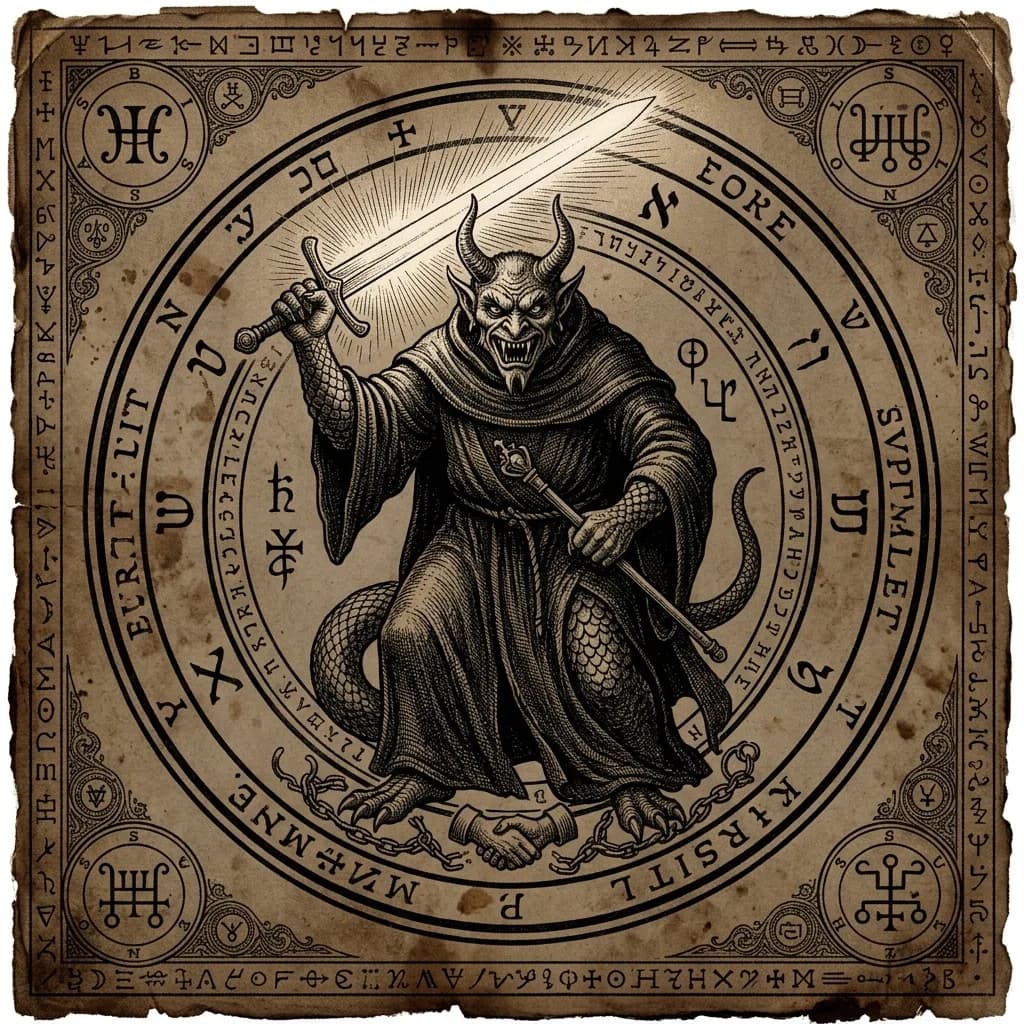
#17
PresidentBotis
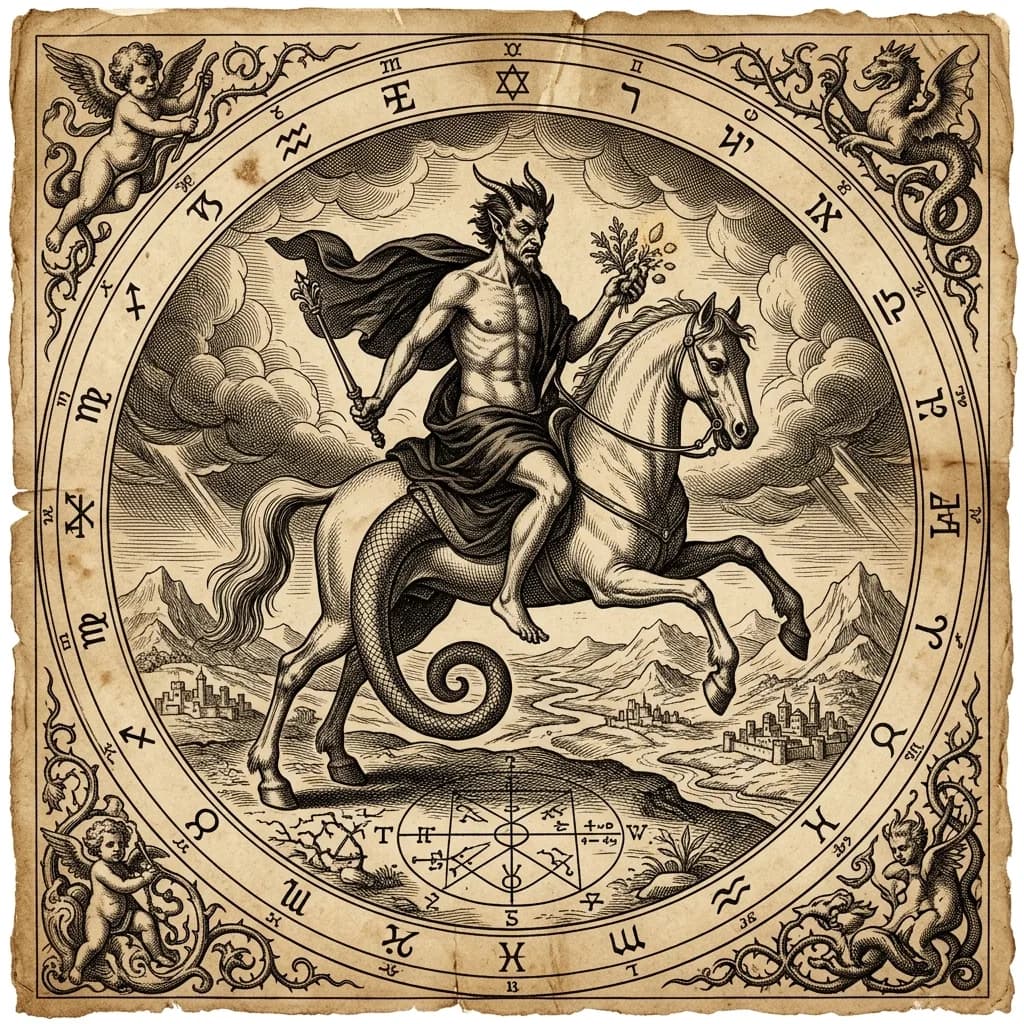
#18
DukeBathin
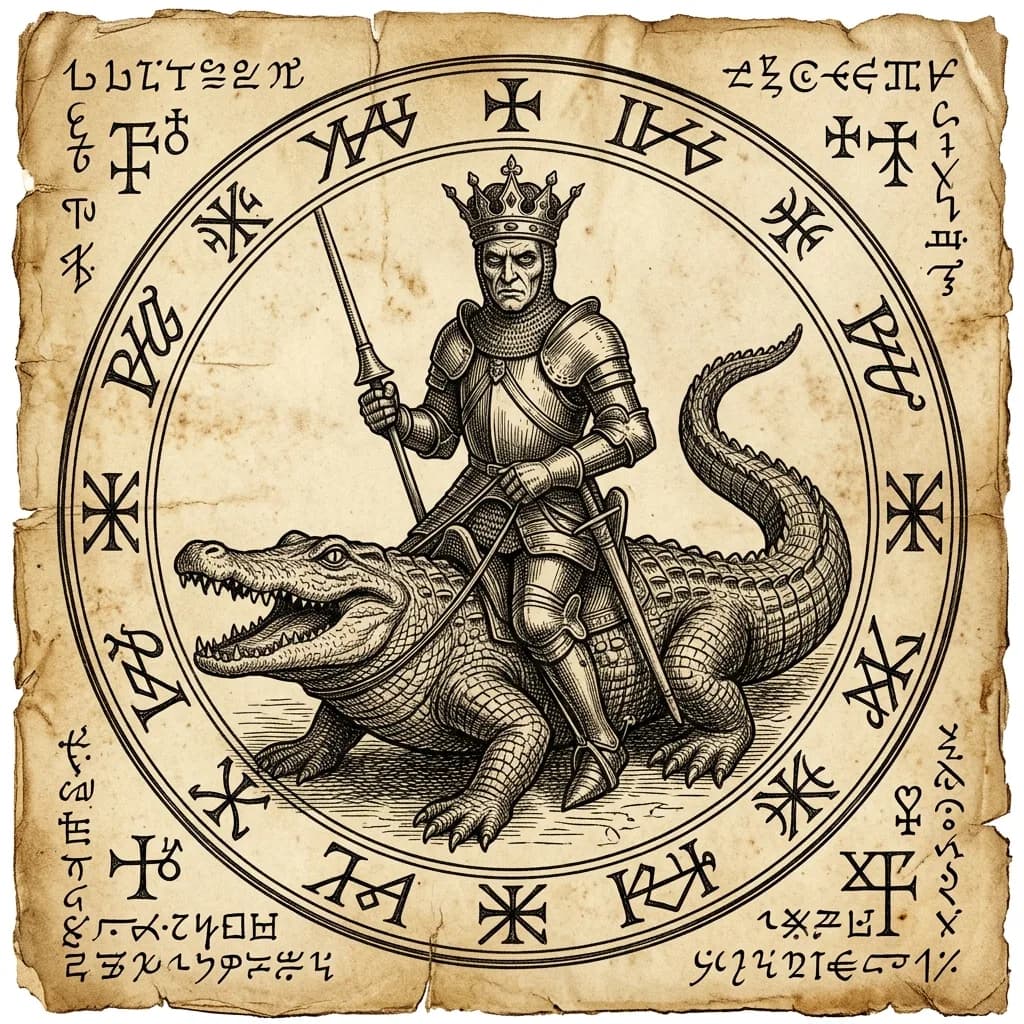
#19
DukeSallos
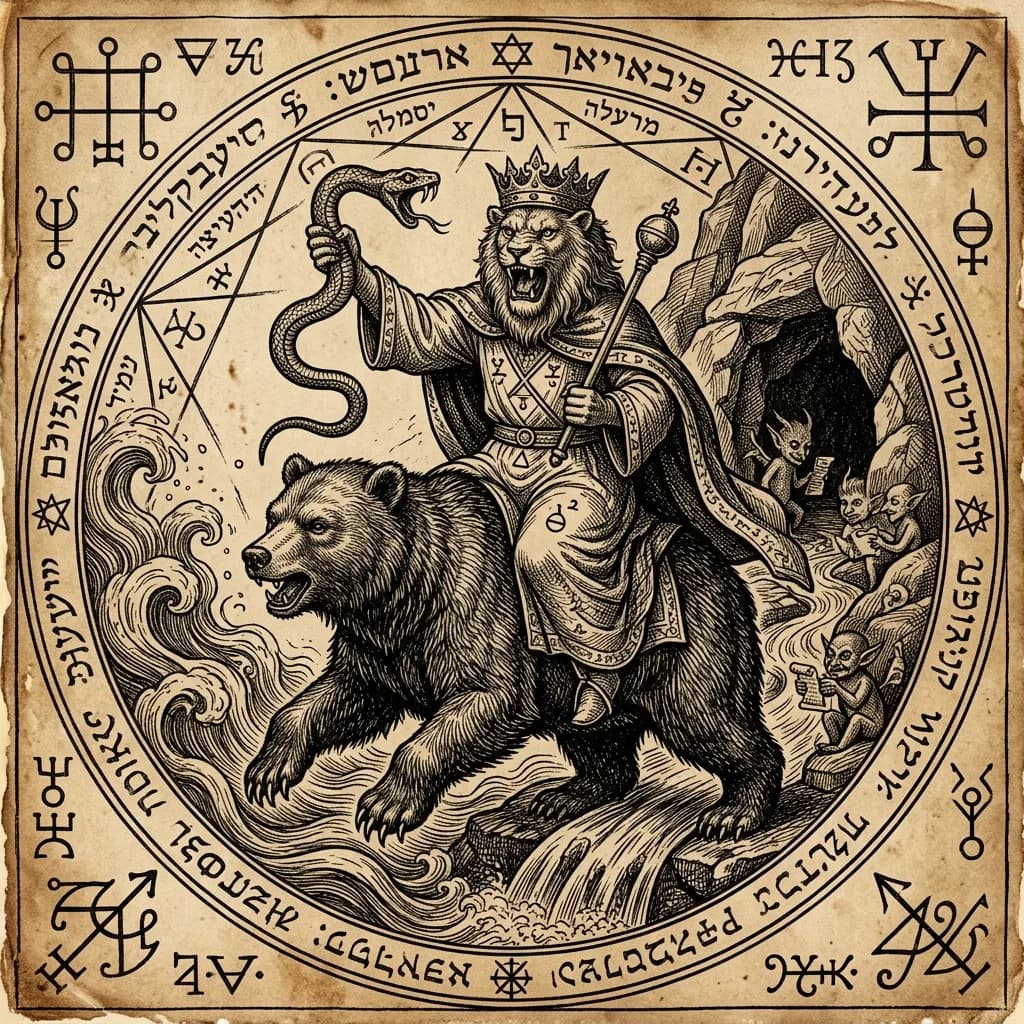
#20
KingPurson
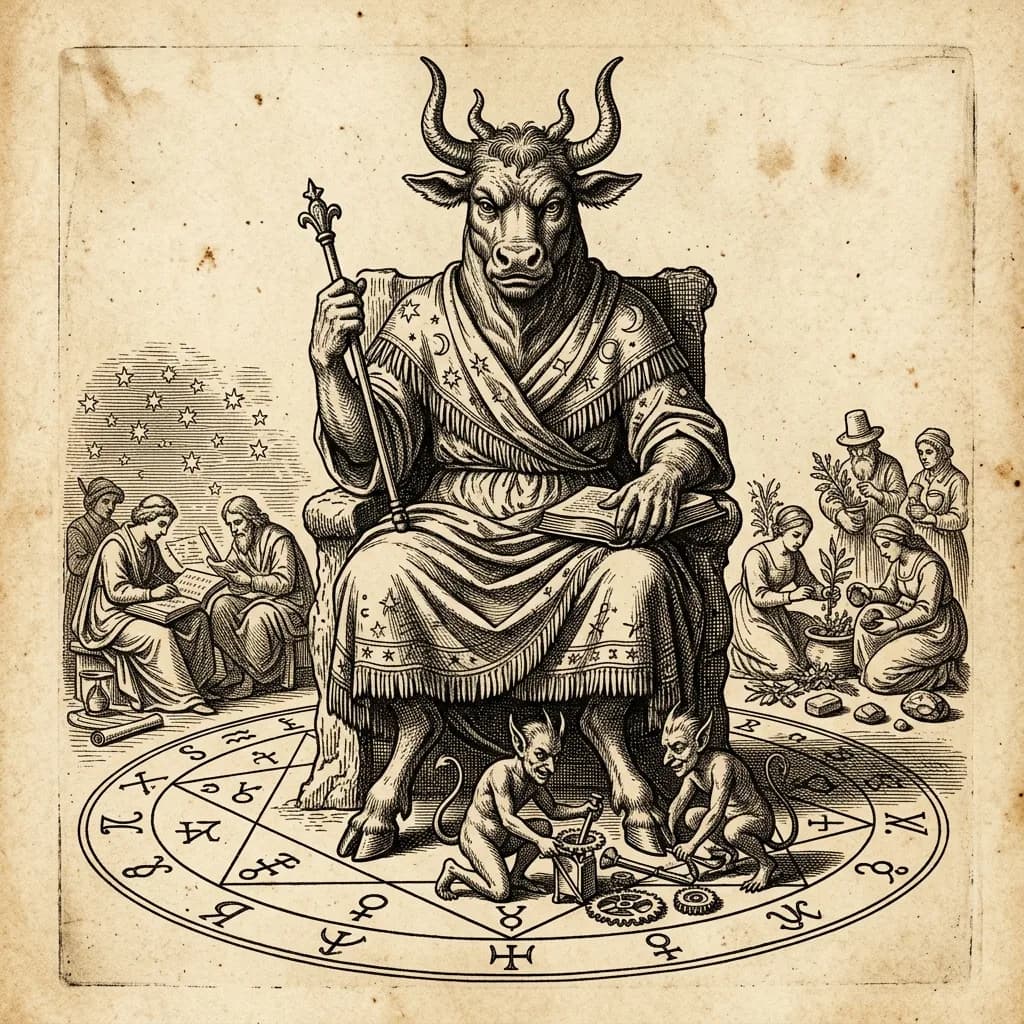
#21
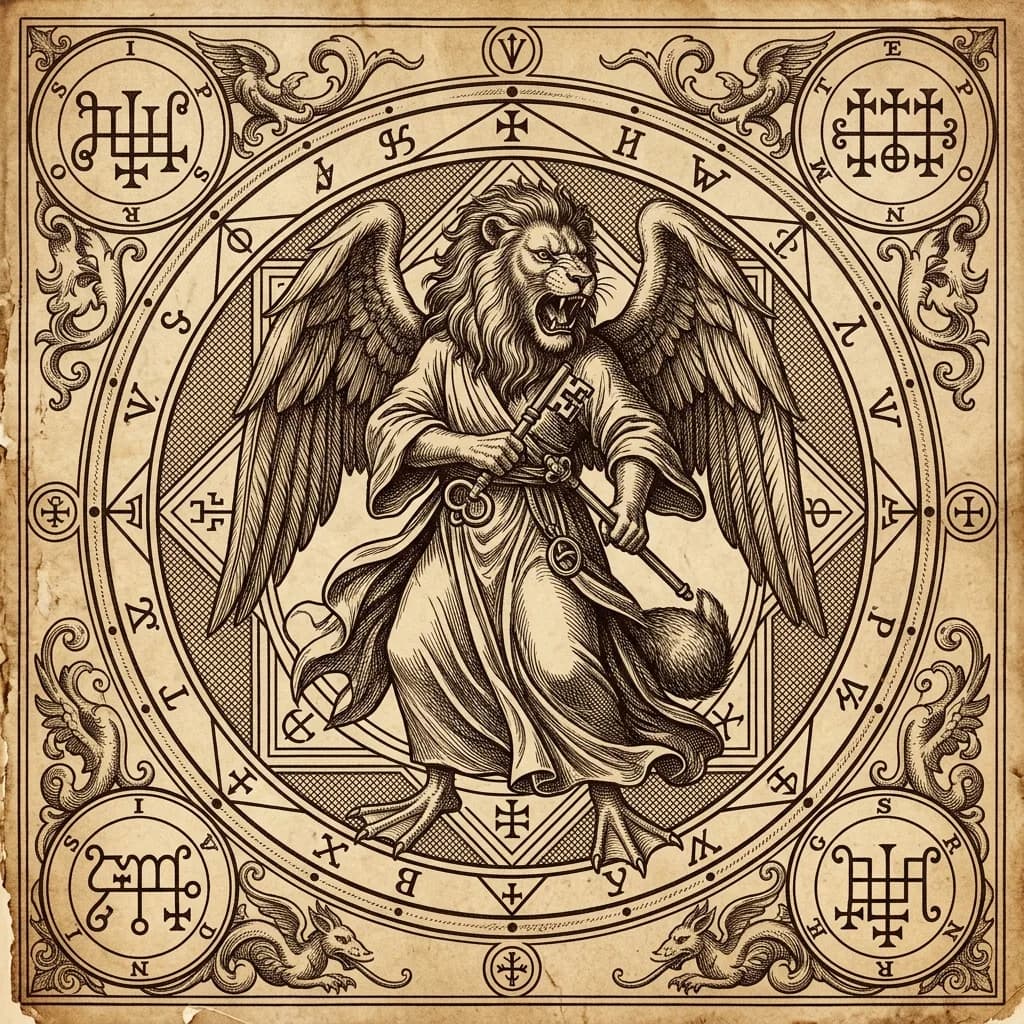
EarlMorax
#22
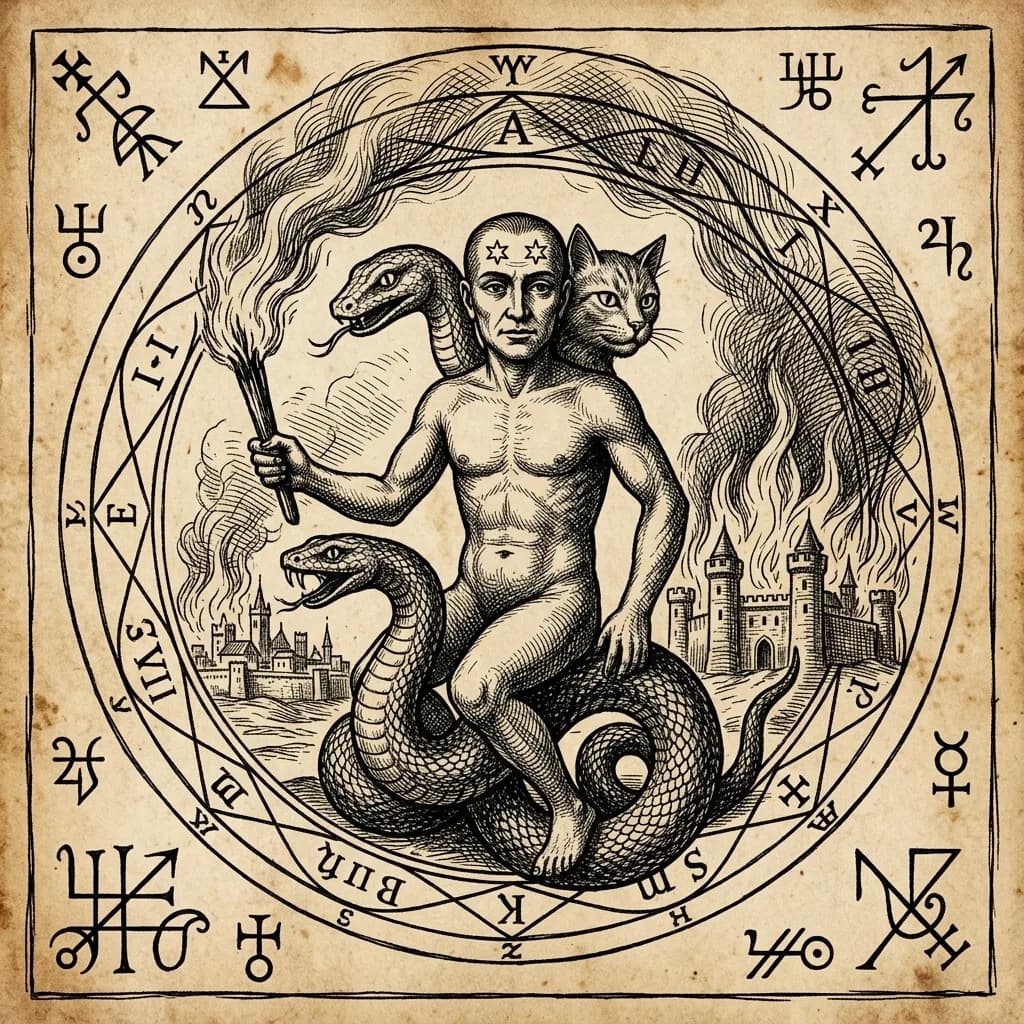
EarlIpos
#23
DukeAim
#24
MarquisNaberius
#25
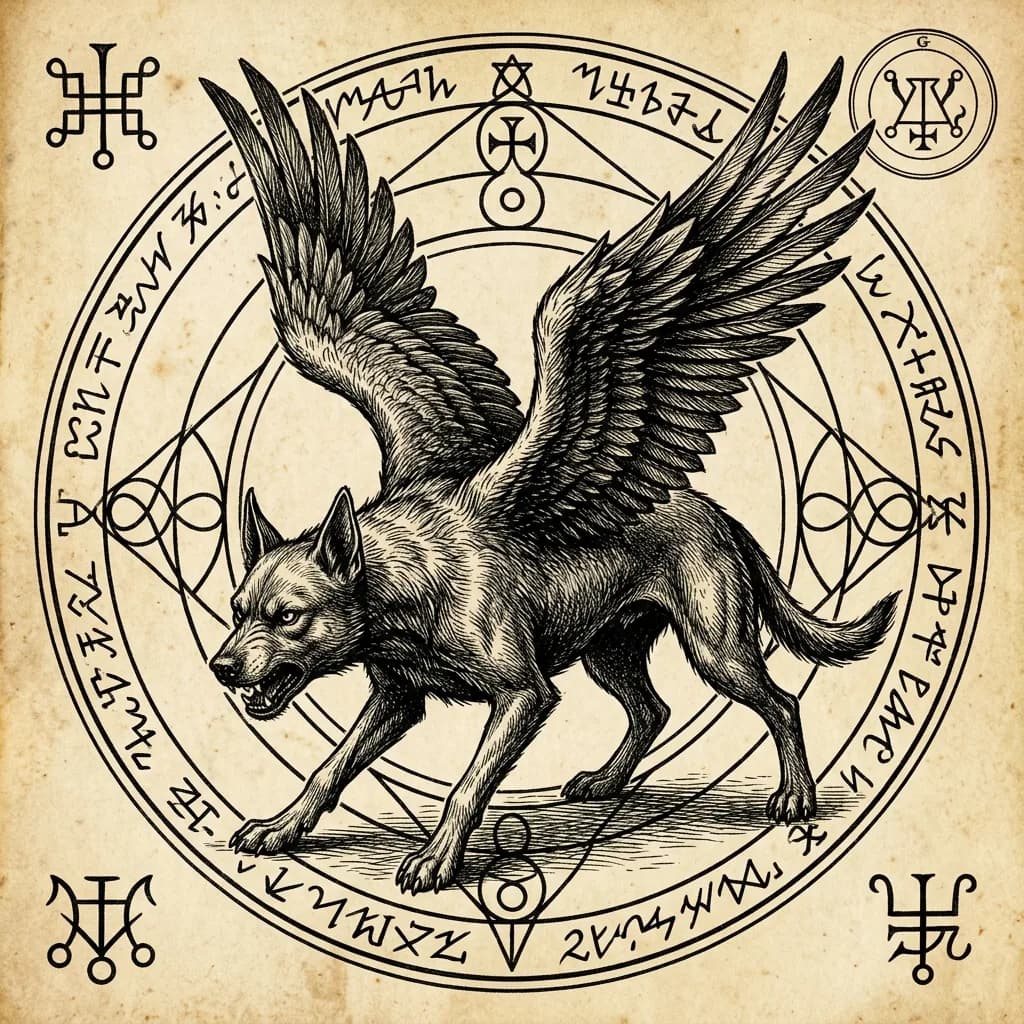
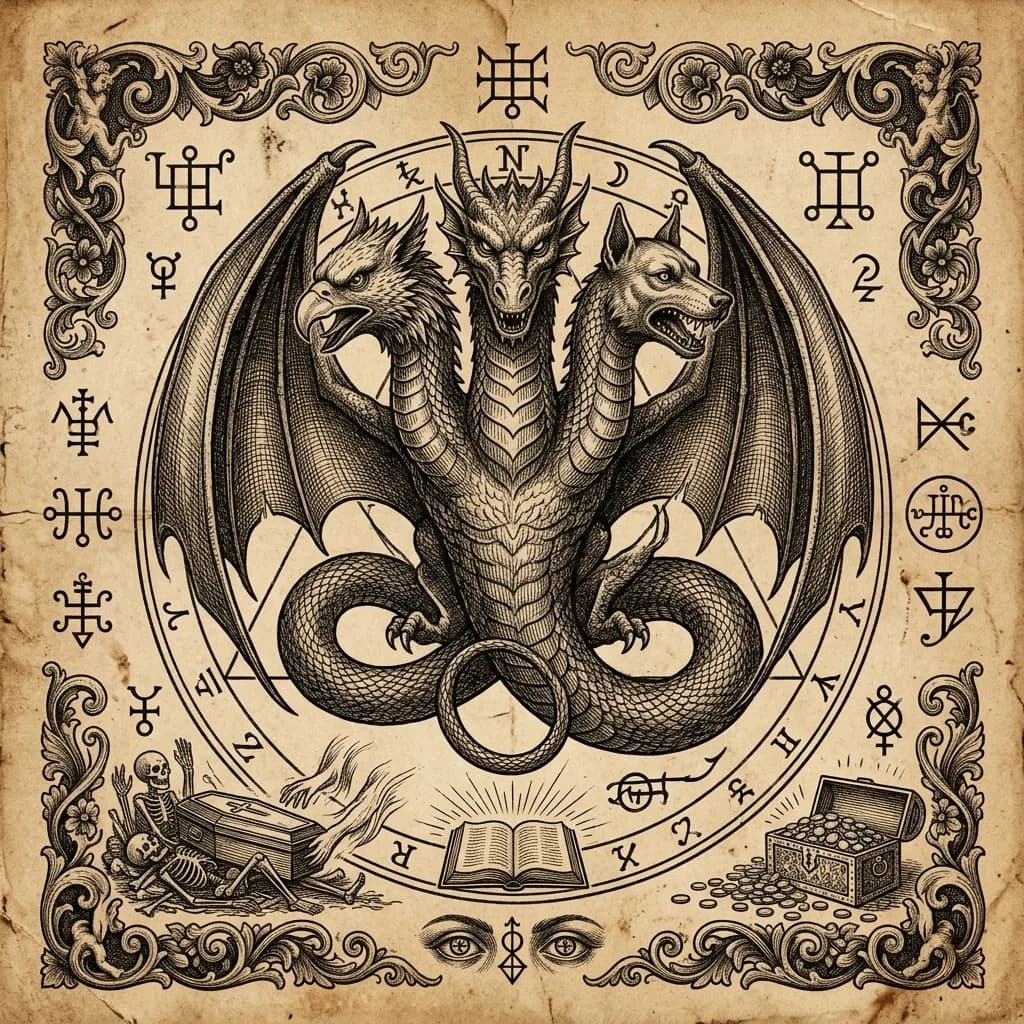
PresidentGlasya-Labolas
#26
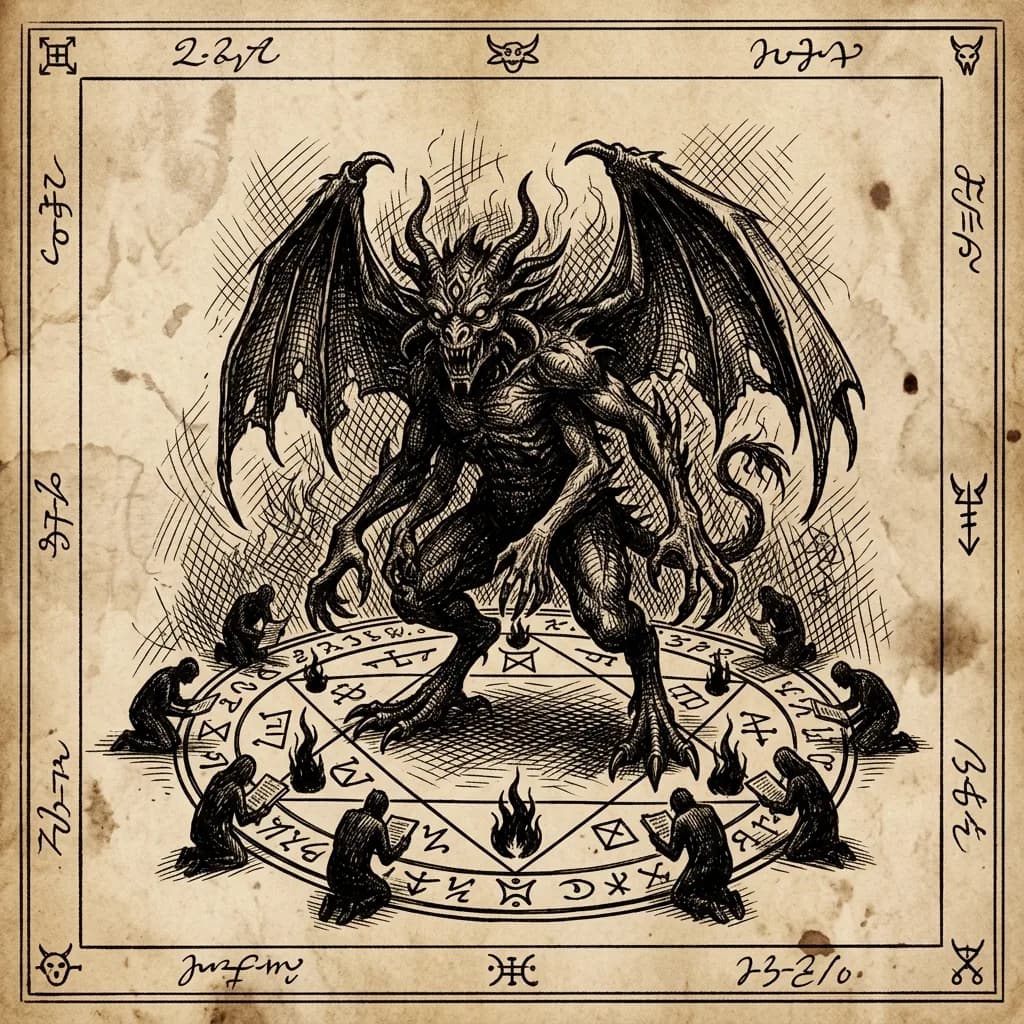
DukeBune
#27
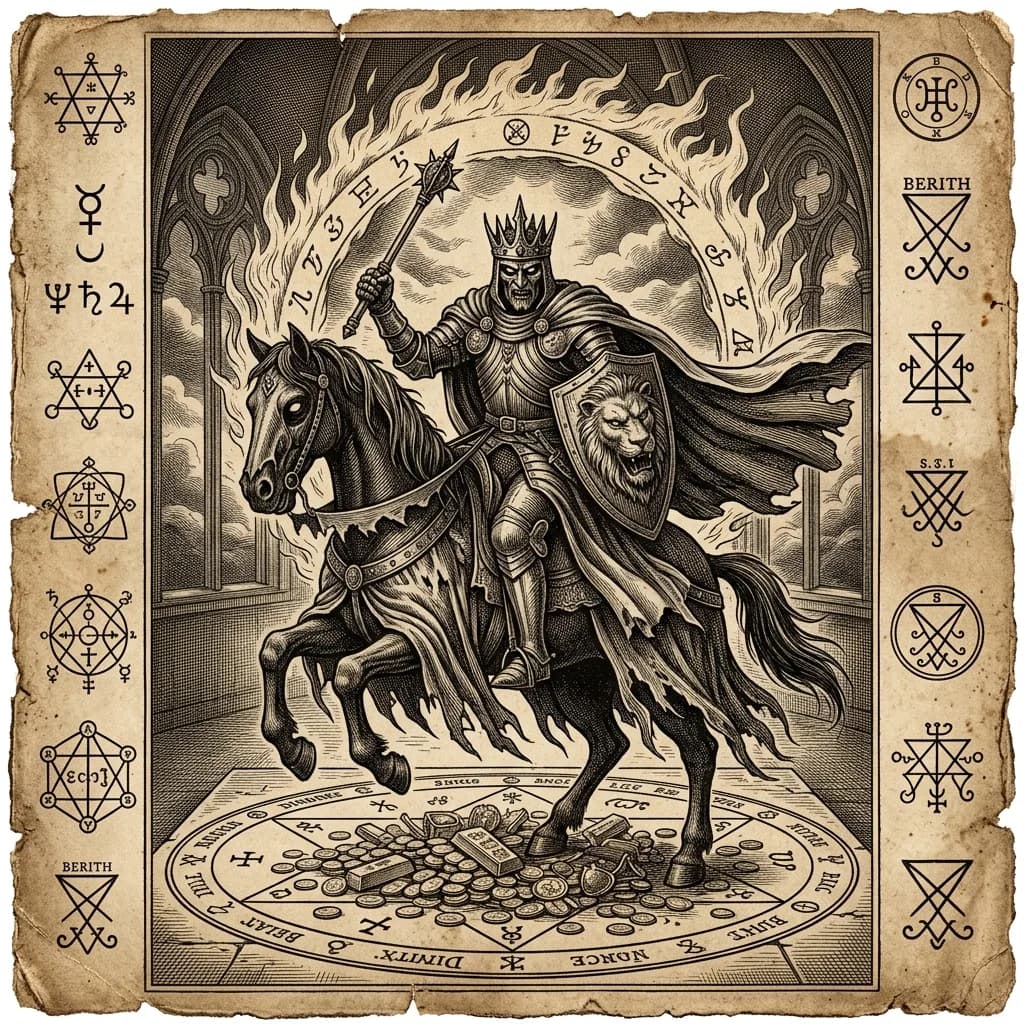
MarquisRonove
#28
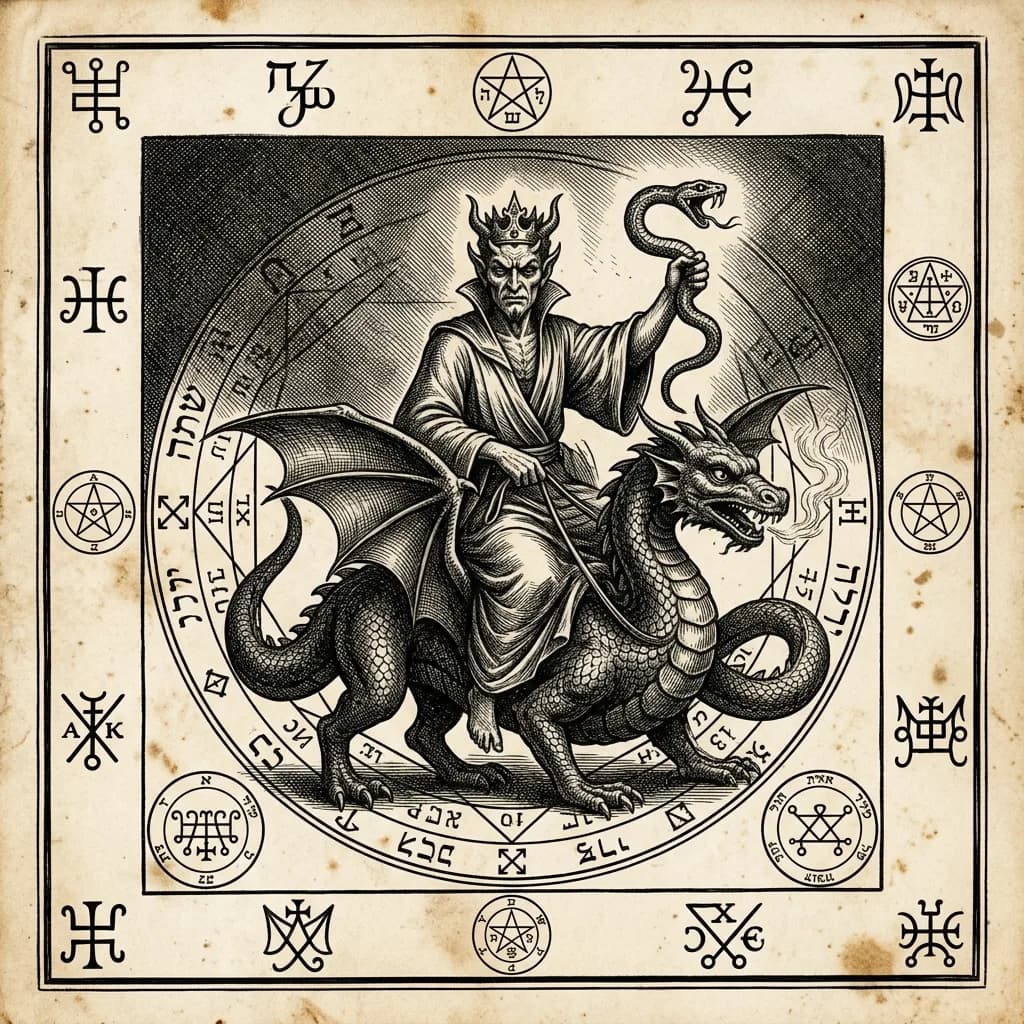
DukeBerith
#29
DukeAstaroth
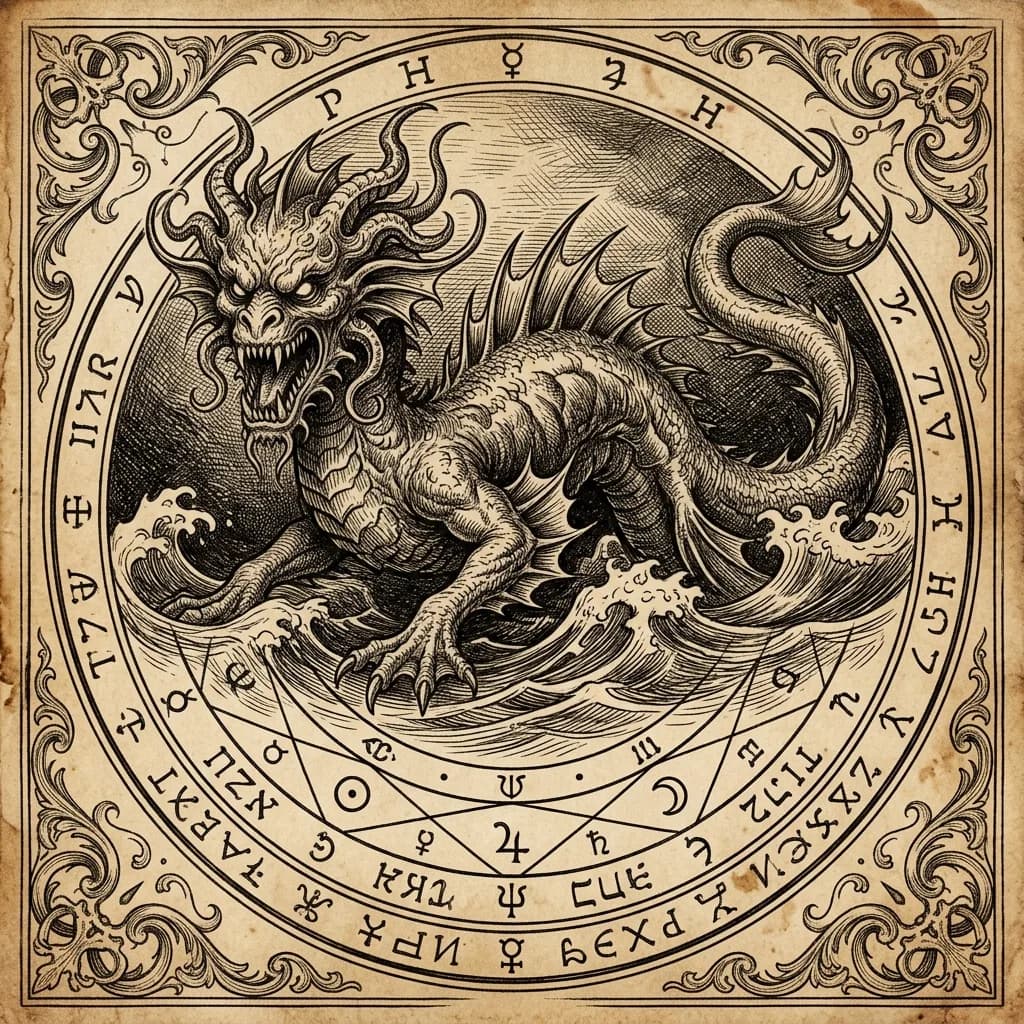
#30
MarquisForneus
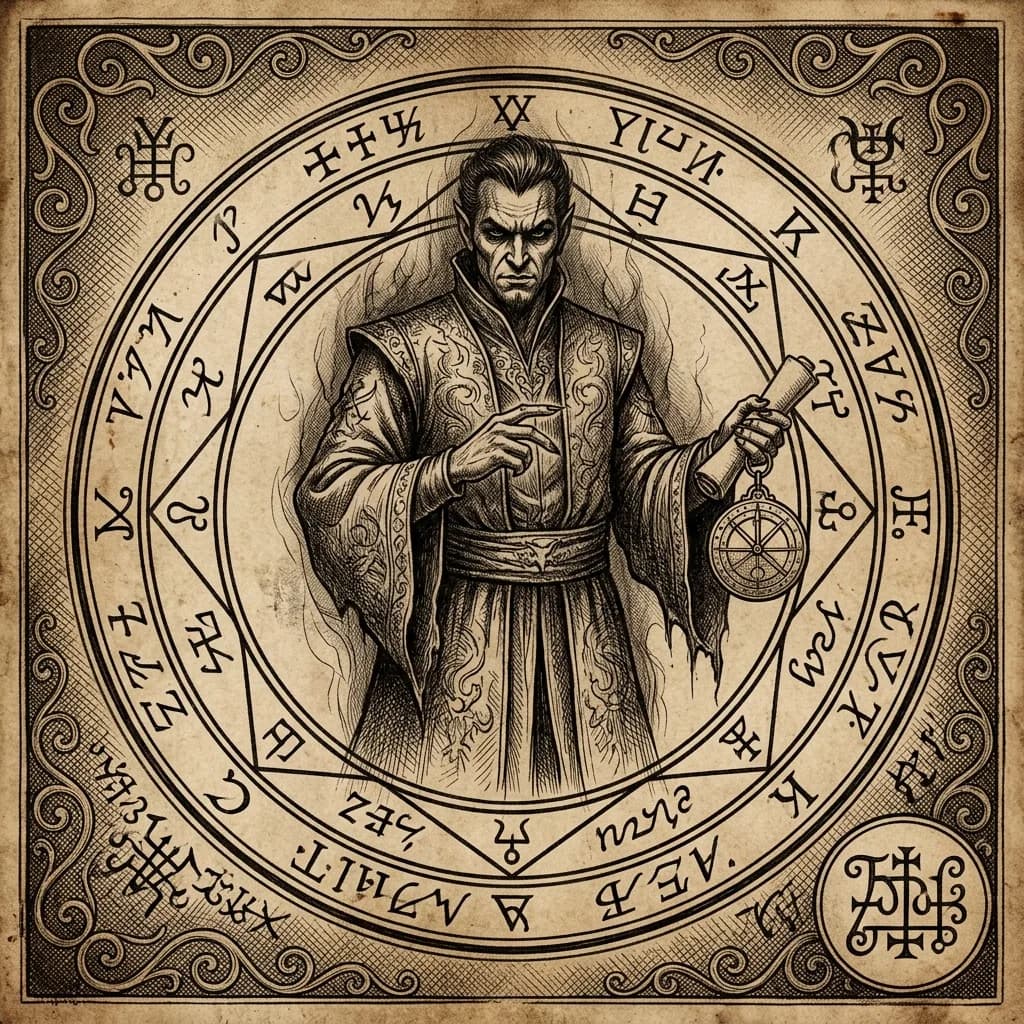
#31
PresidentForas
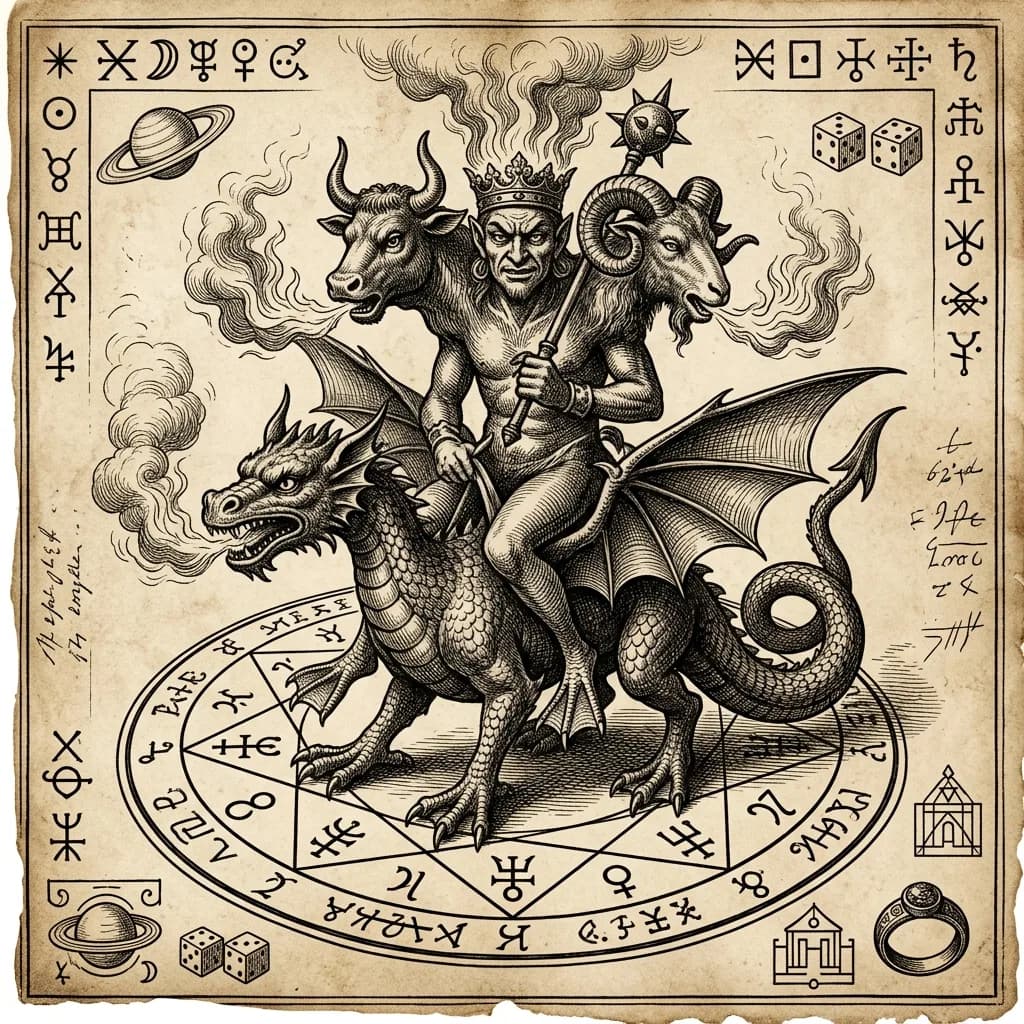
#32
KingAsmodeus
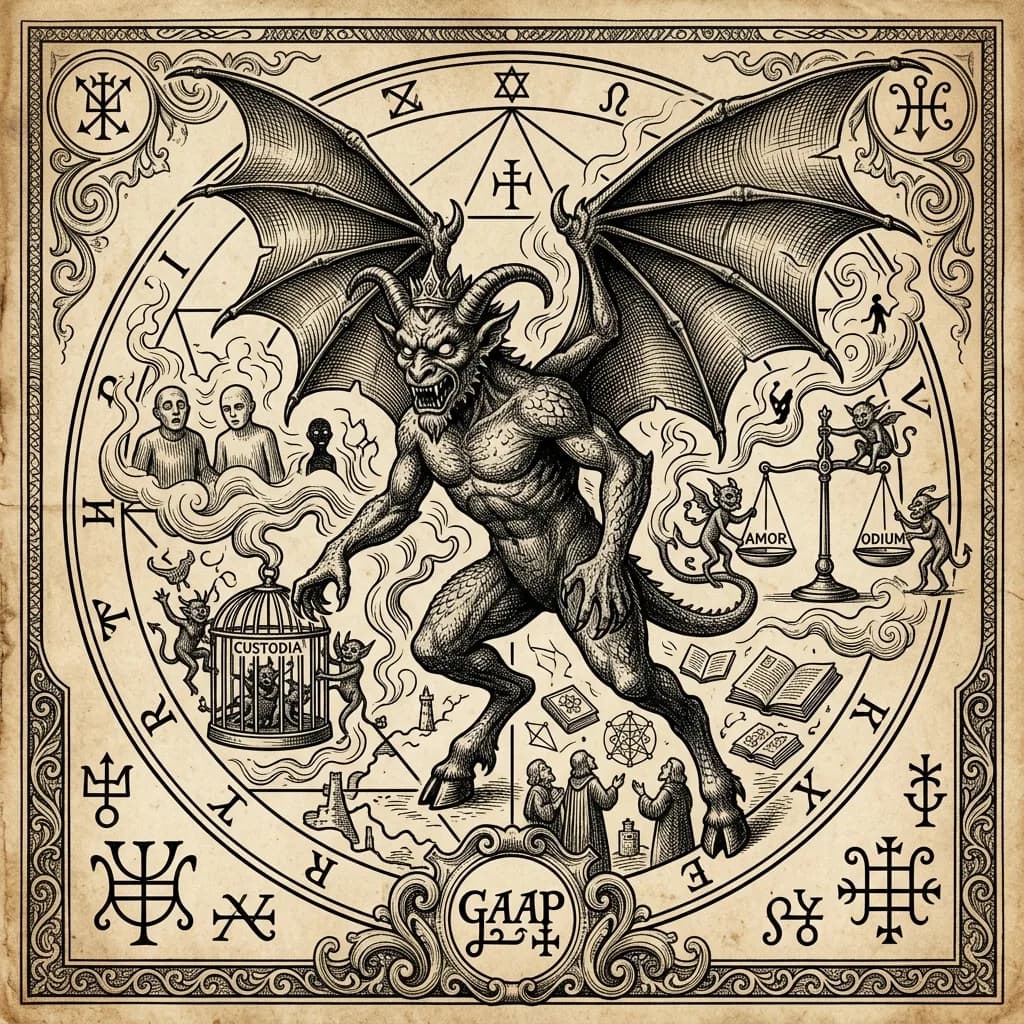
#33
PresidentGaap
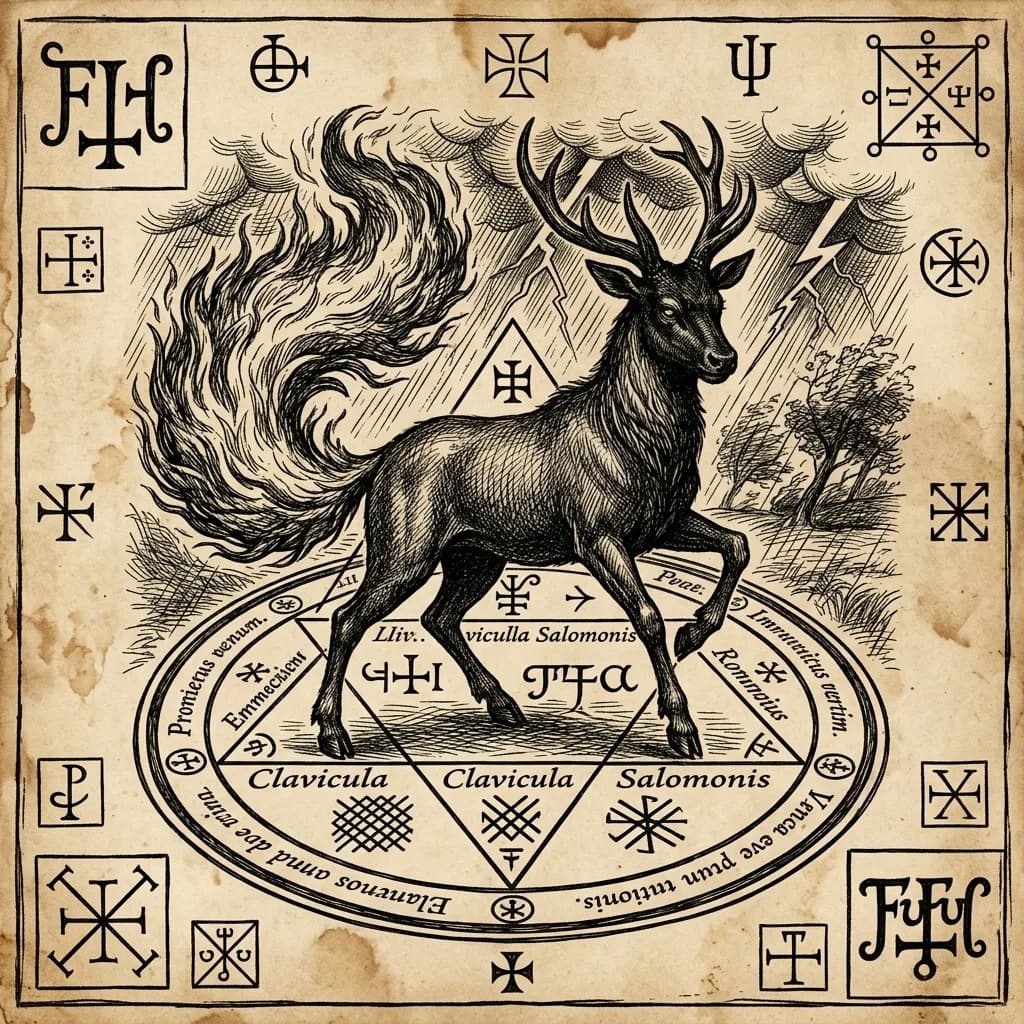
#34
EarlFurfur
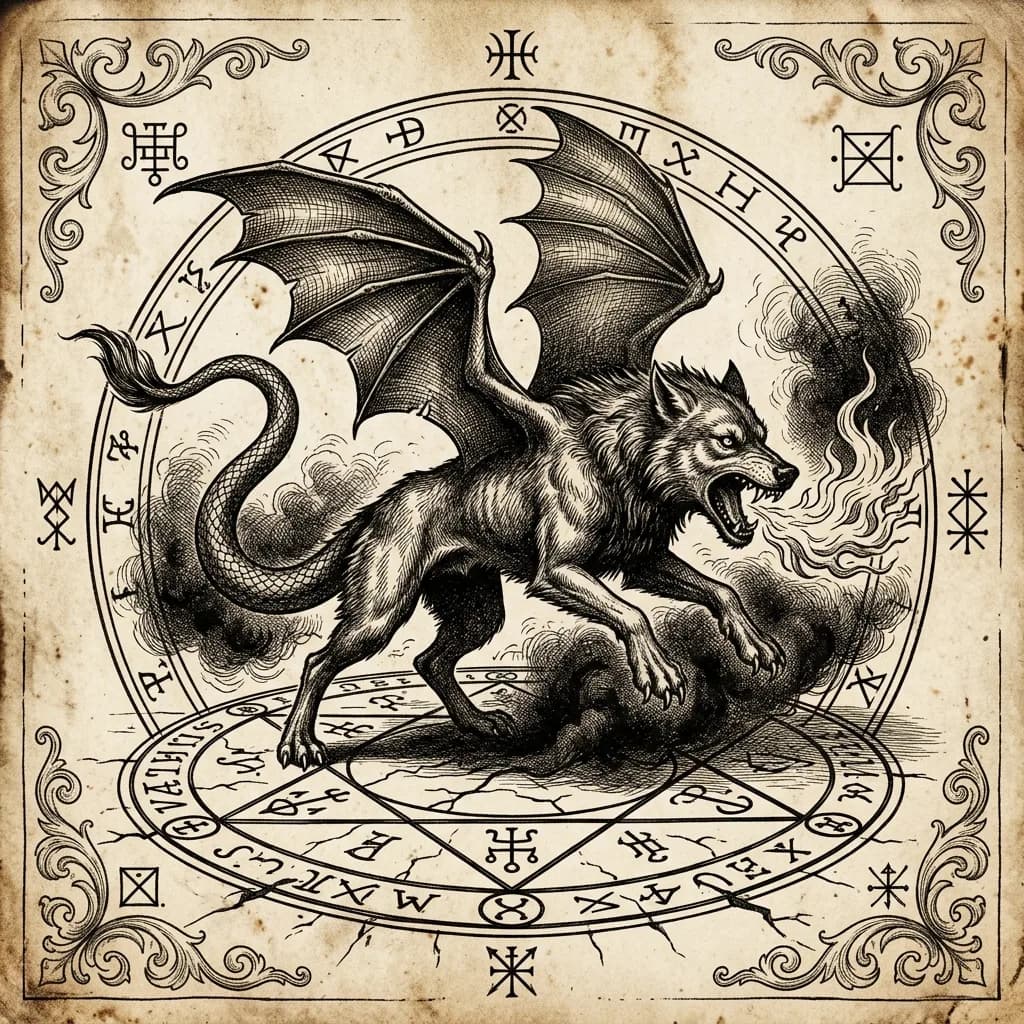
#35
MarquisMarchosias
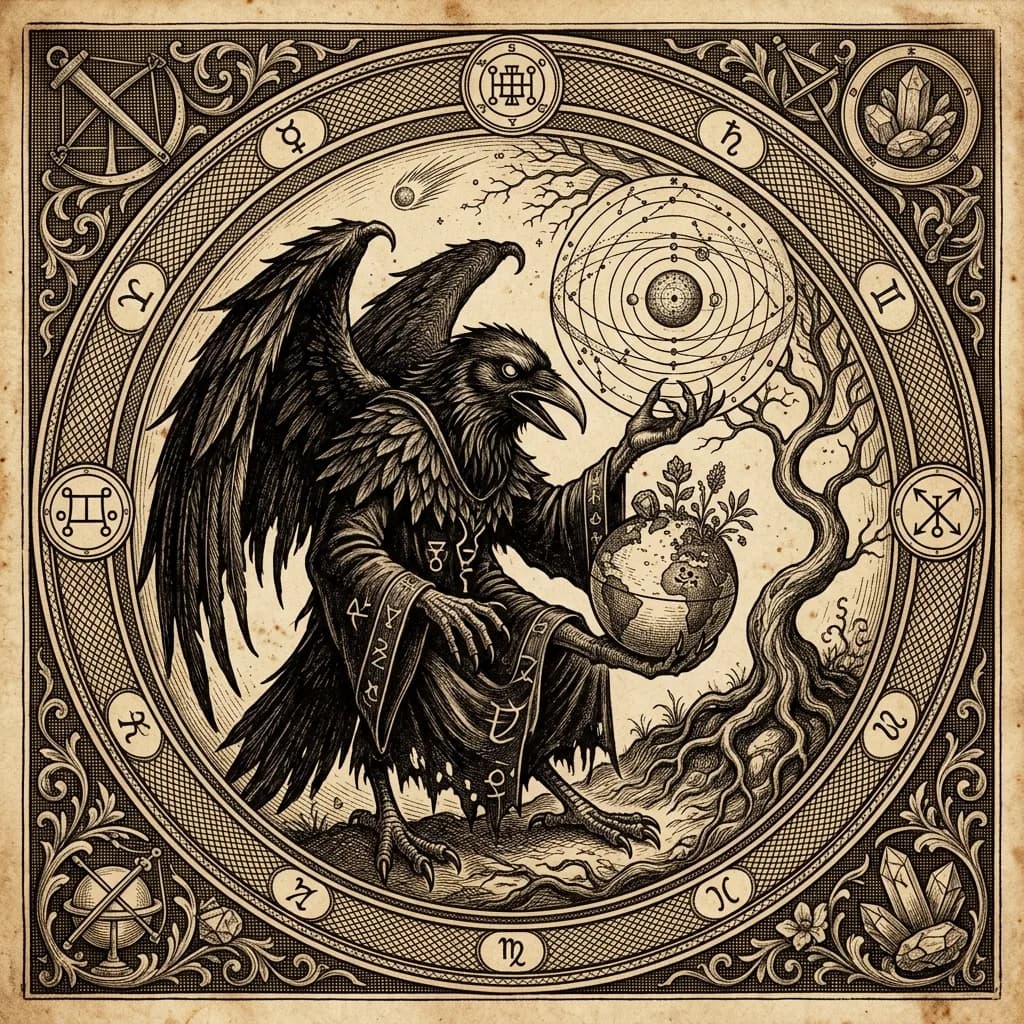
#36
PrinceStolas
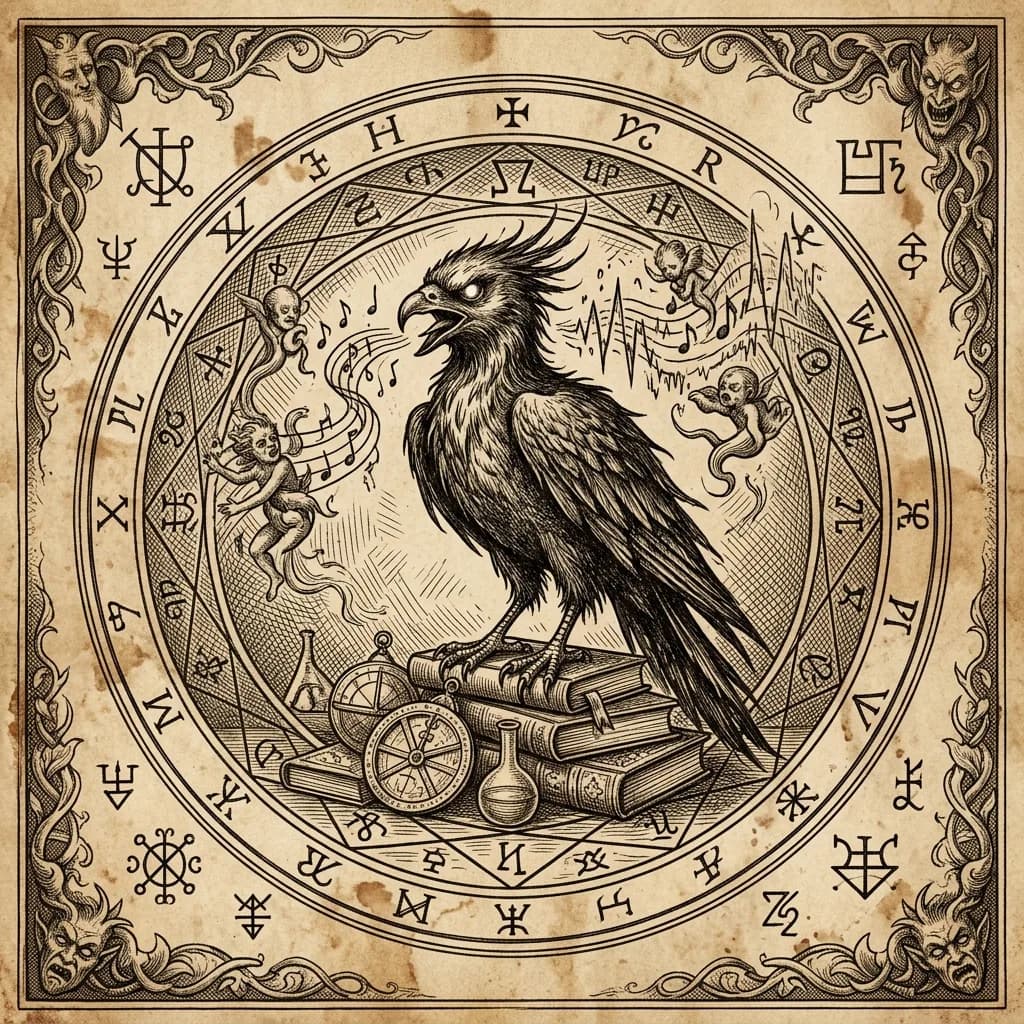
#37
MarquisPhenex
#38
EarlHalphas
#39
PresidentMalphas
#40
EarlRaum
#41
DukeFocalor
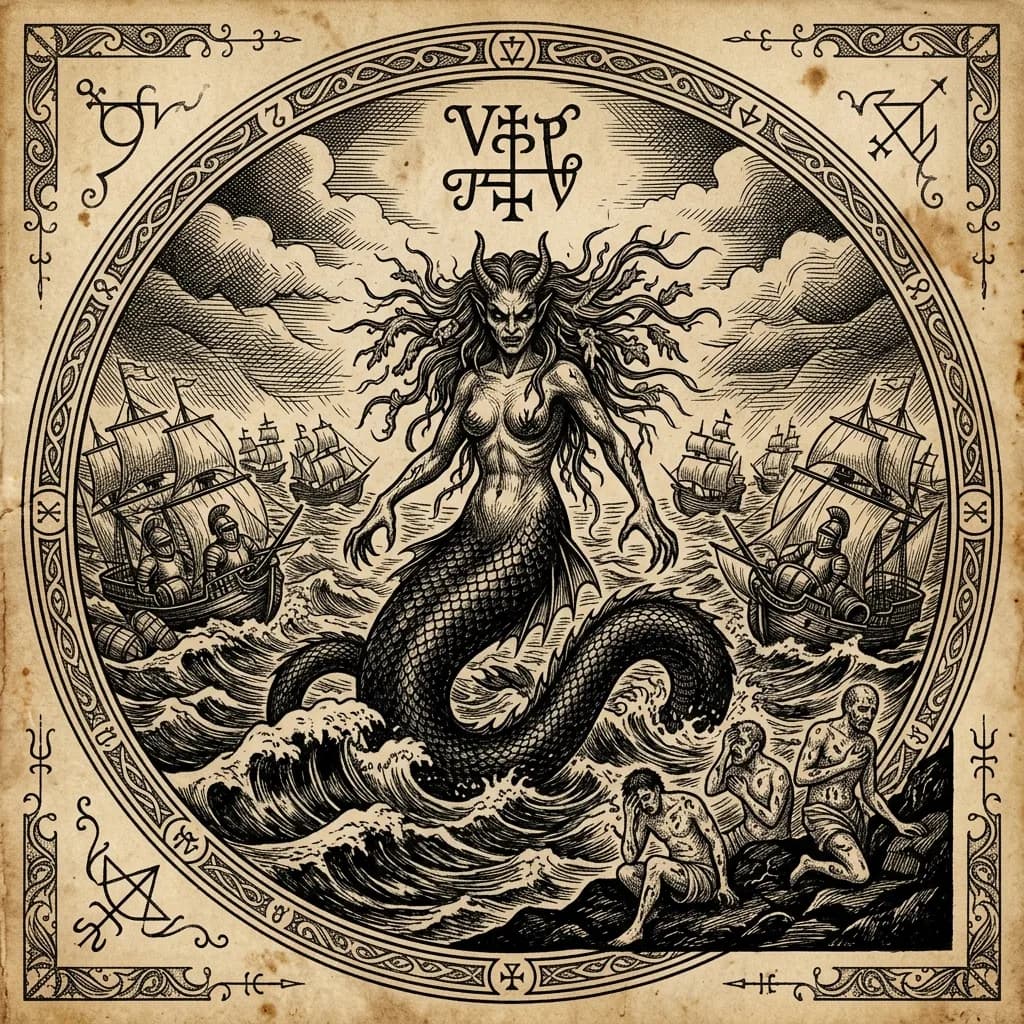
#42
DukeVepar
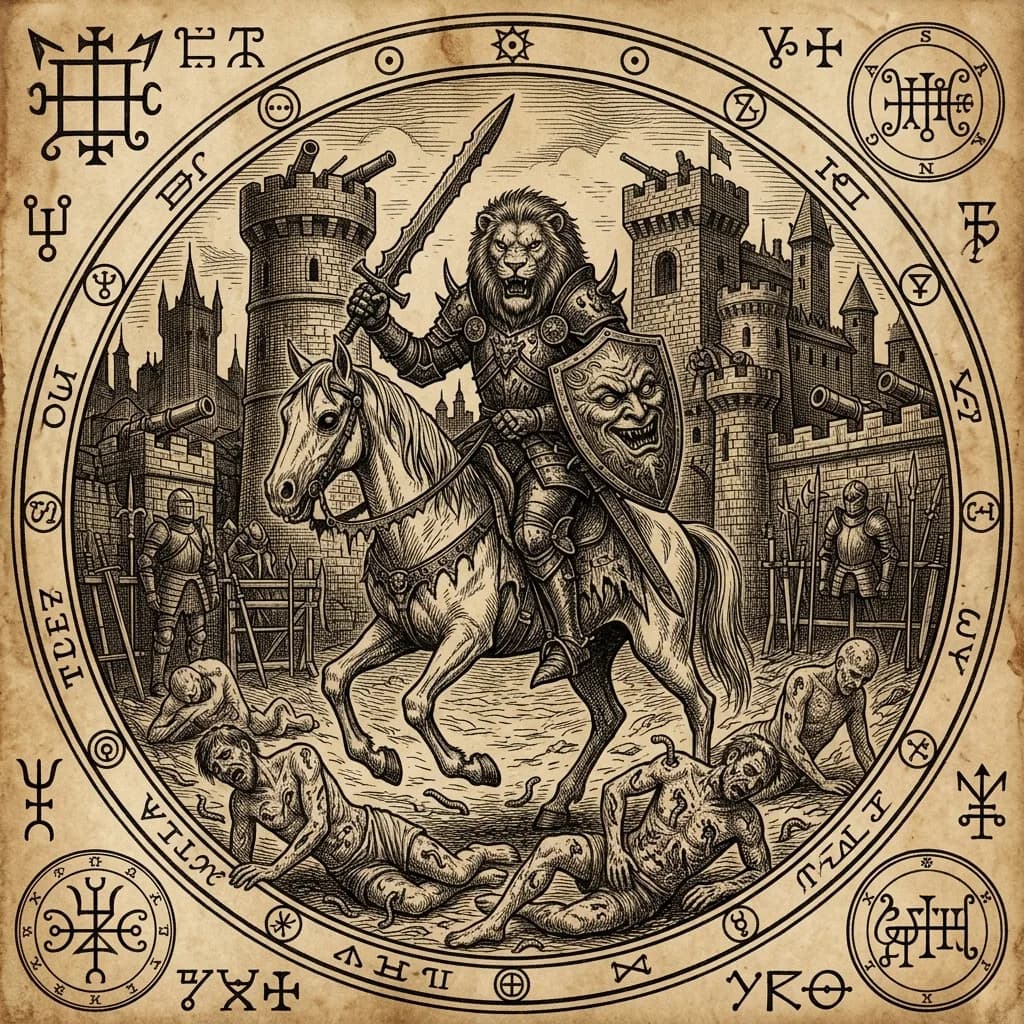
#43
MarquisSabnock
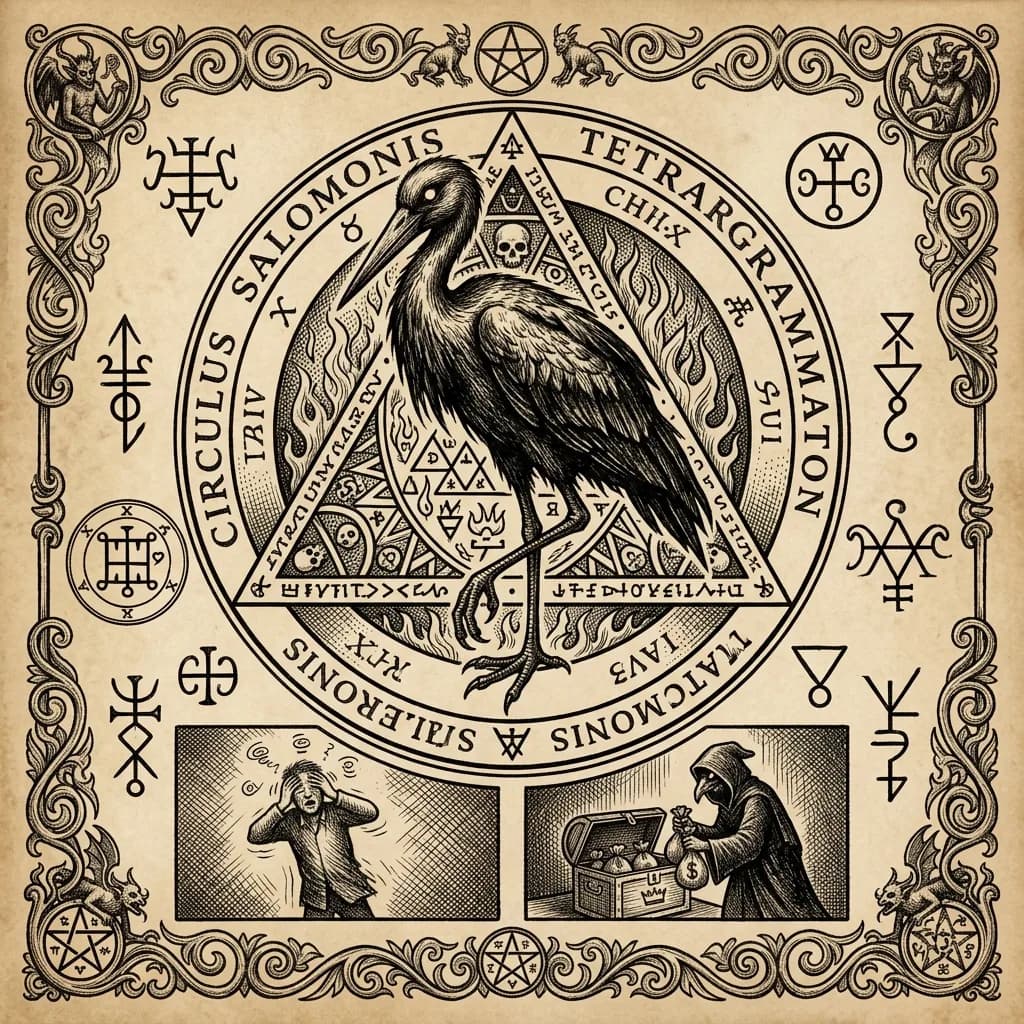
#44
MarquisShax
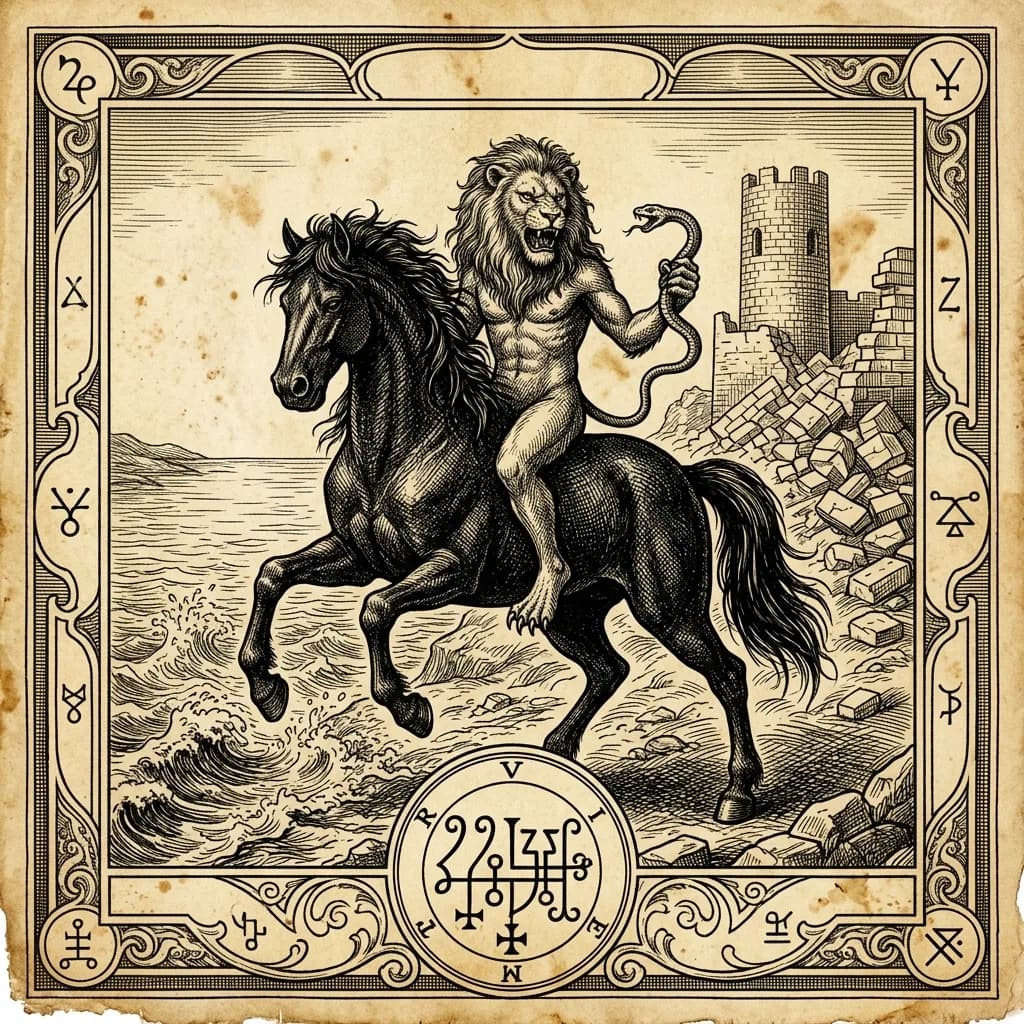
#45
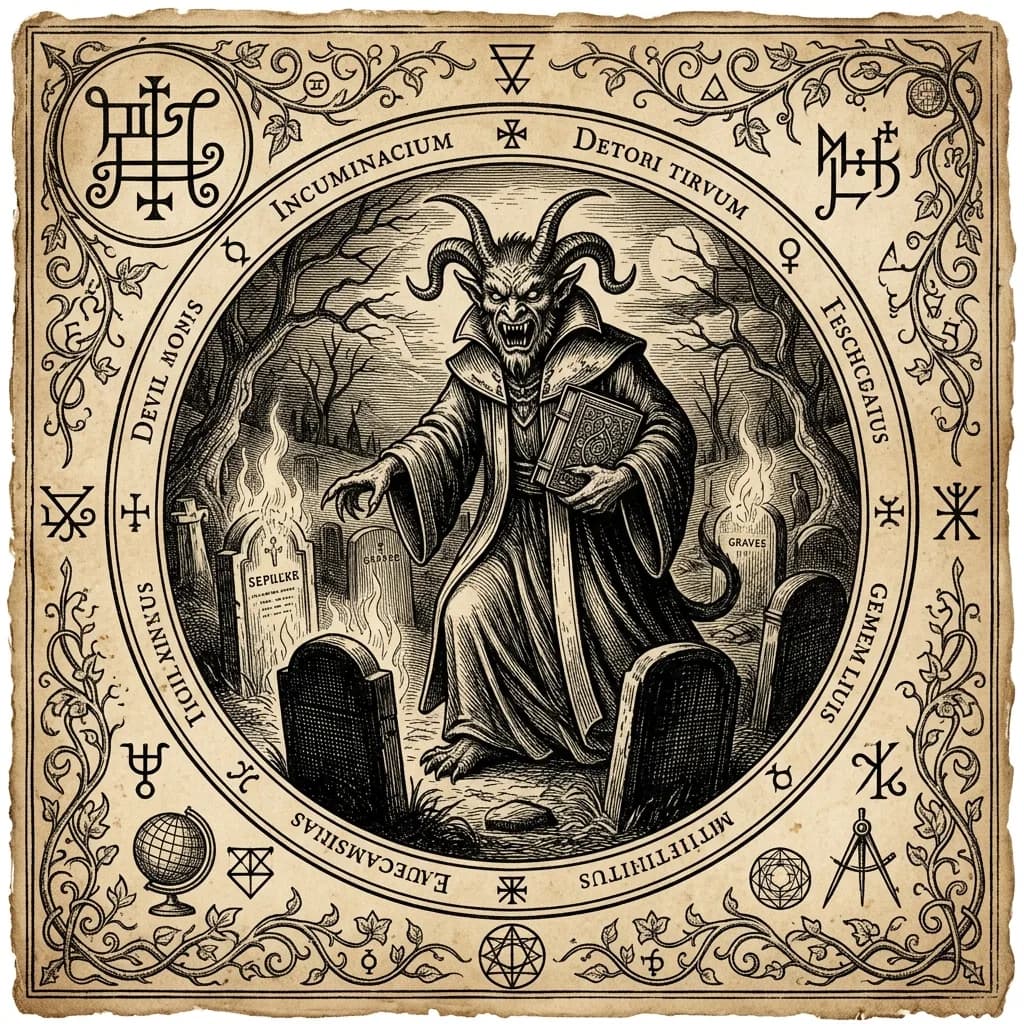
KingVine
#46
EarlBifrons
#47
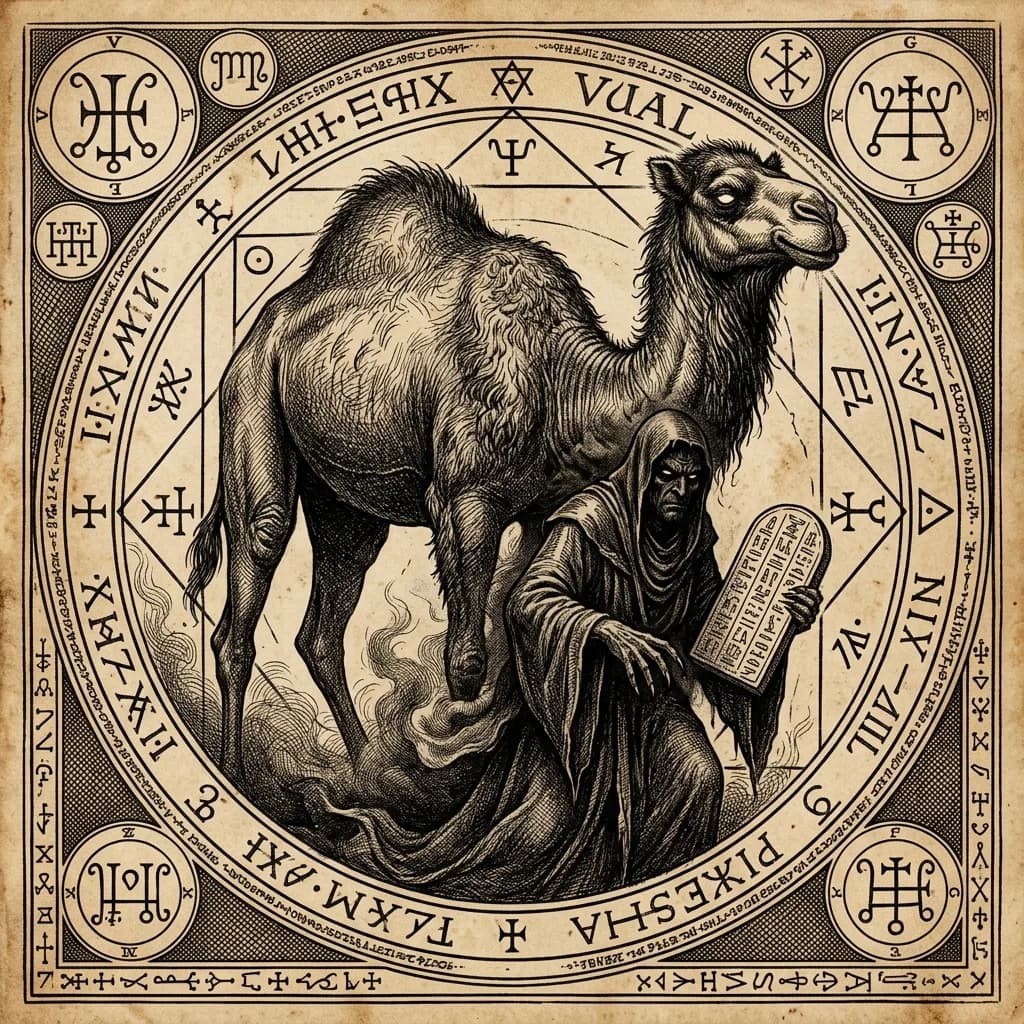
DukeVual
#48
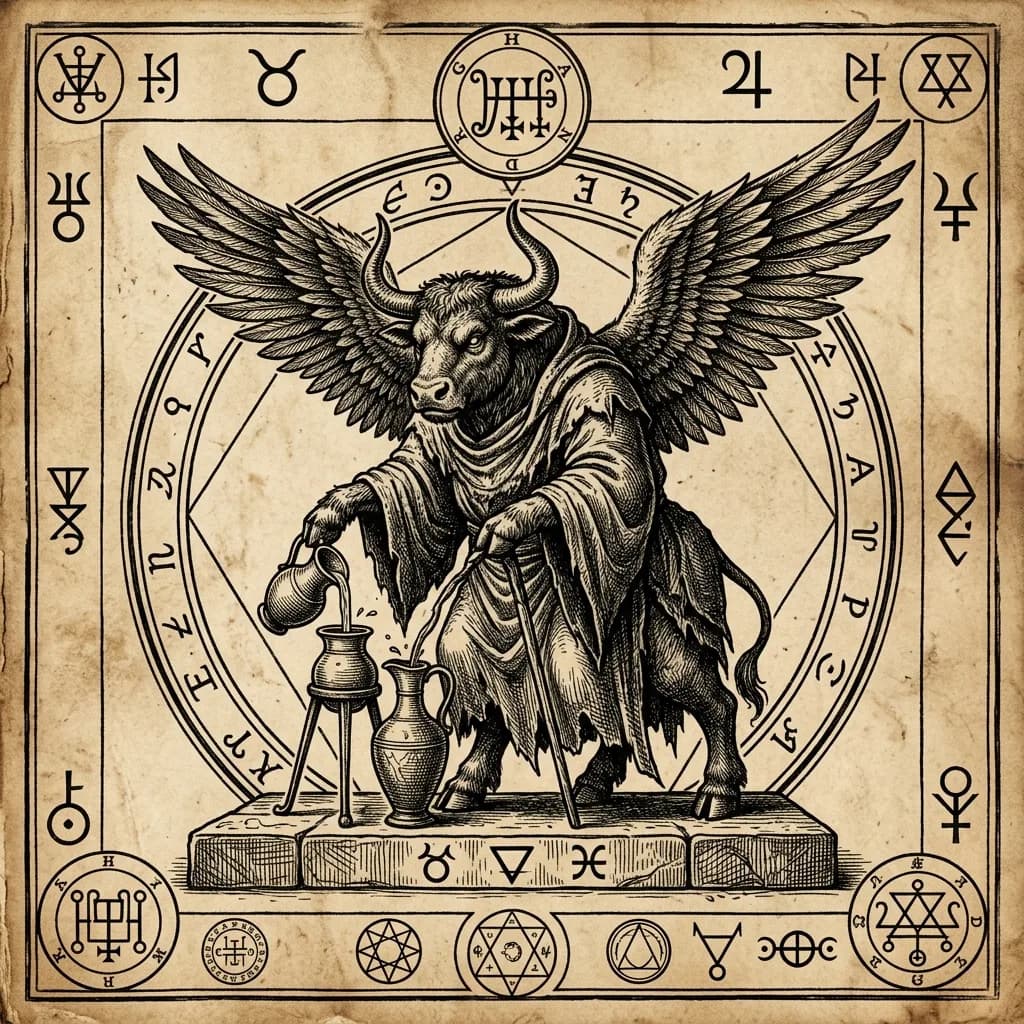
PresidentHaagenti
#49
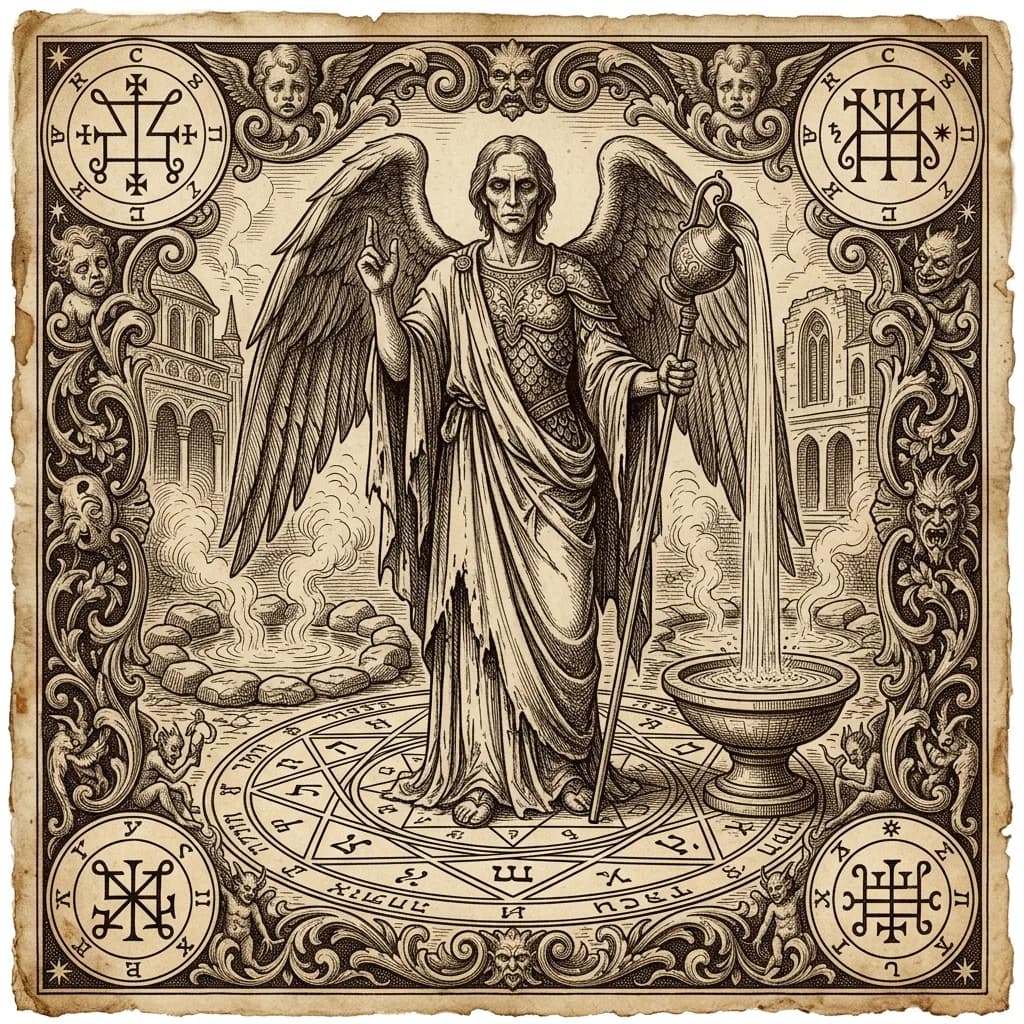
DukeCrocell
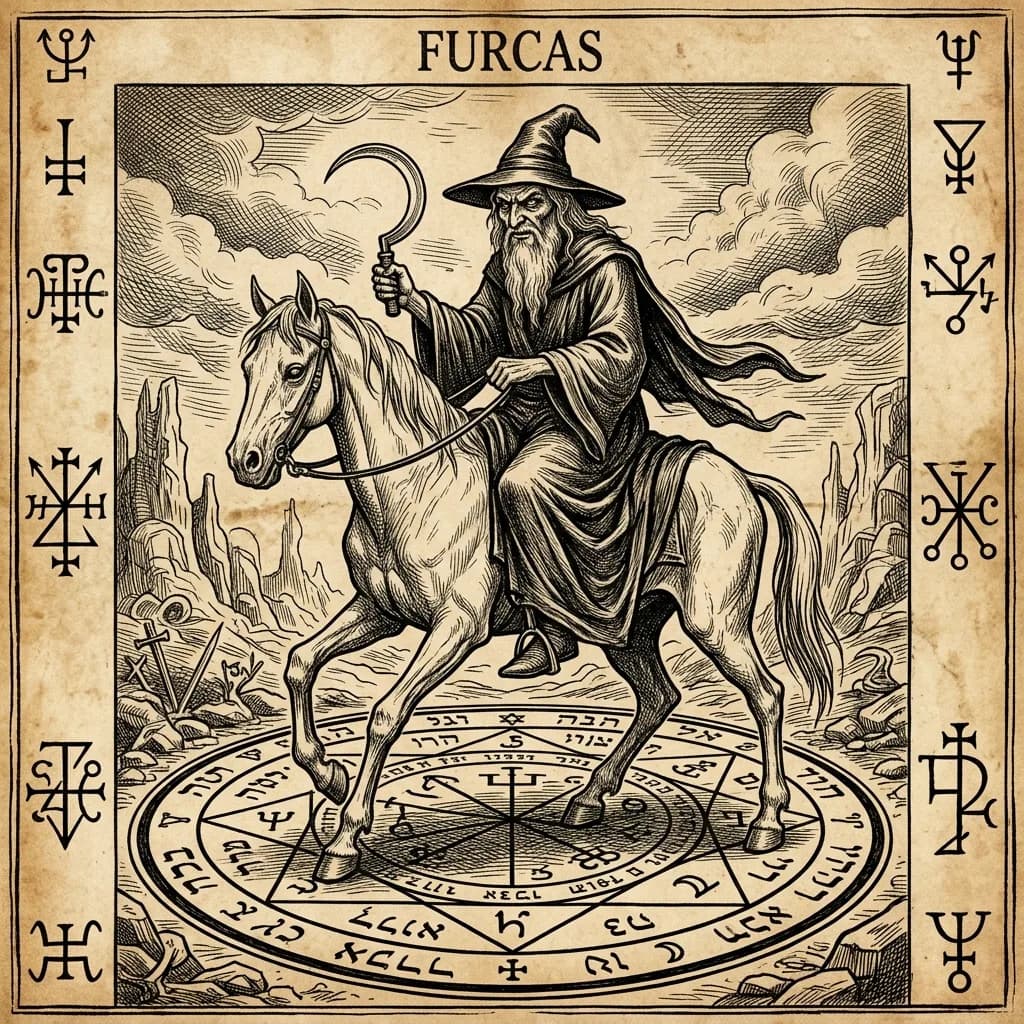
#50
KnightFurcas
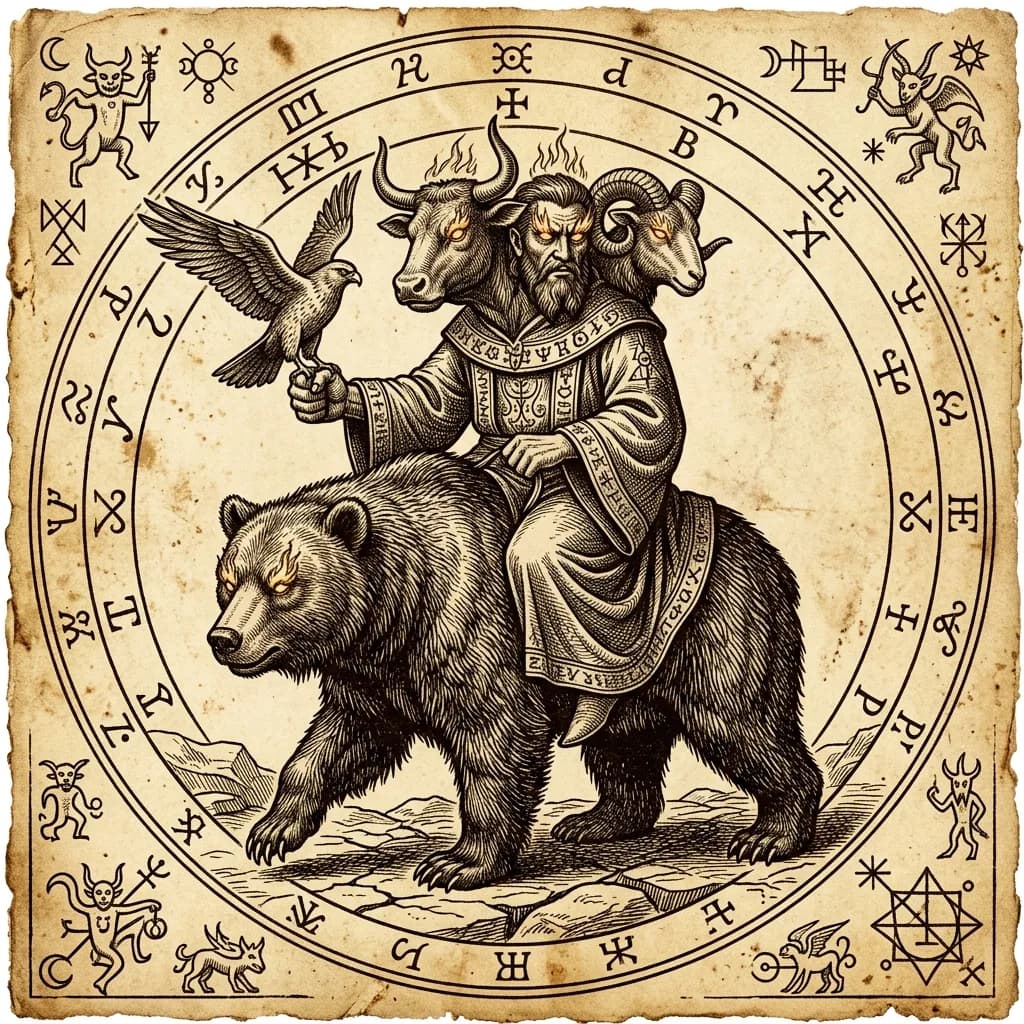
#51
KingBalam
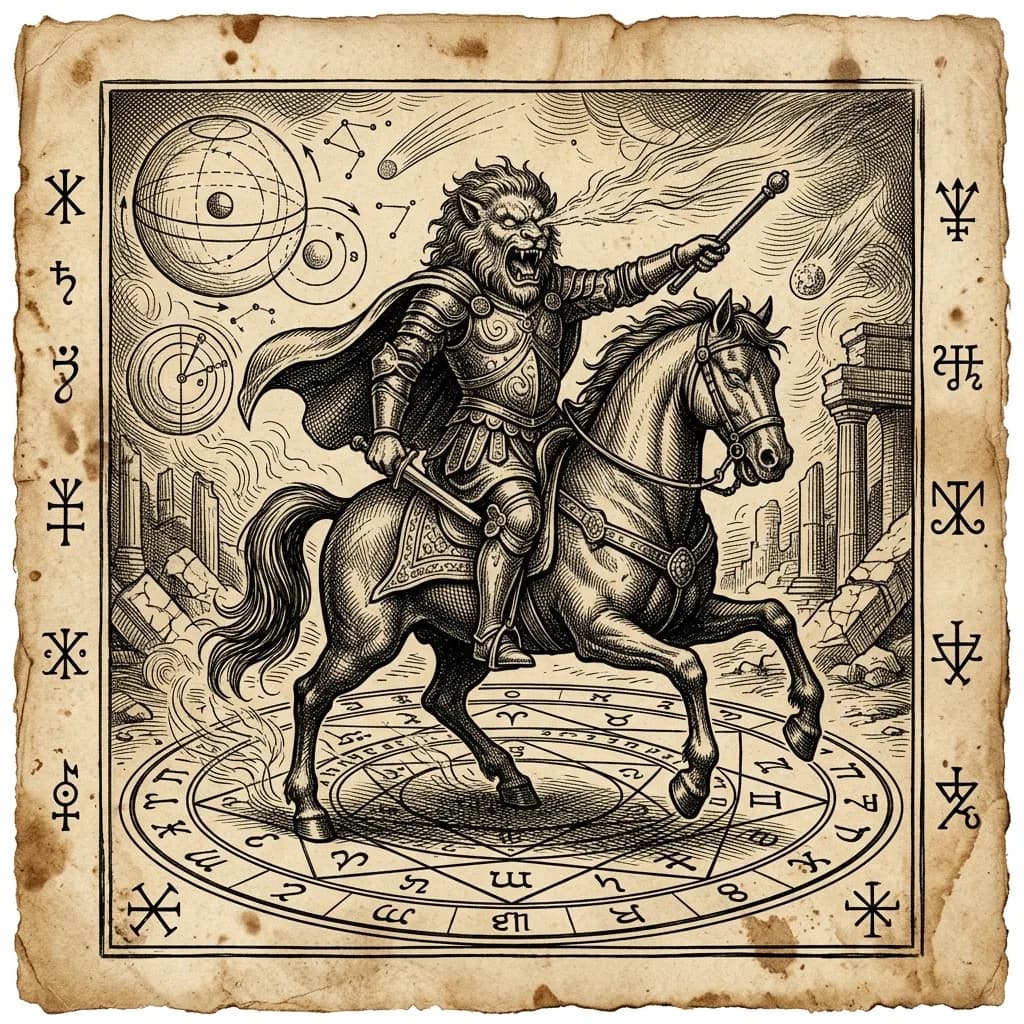
#52
DukeAlloces
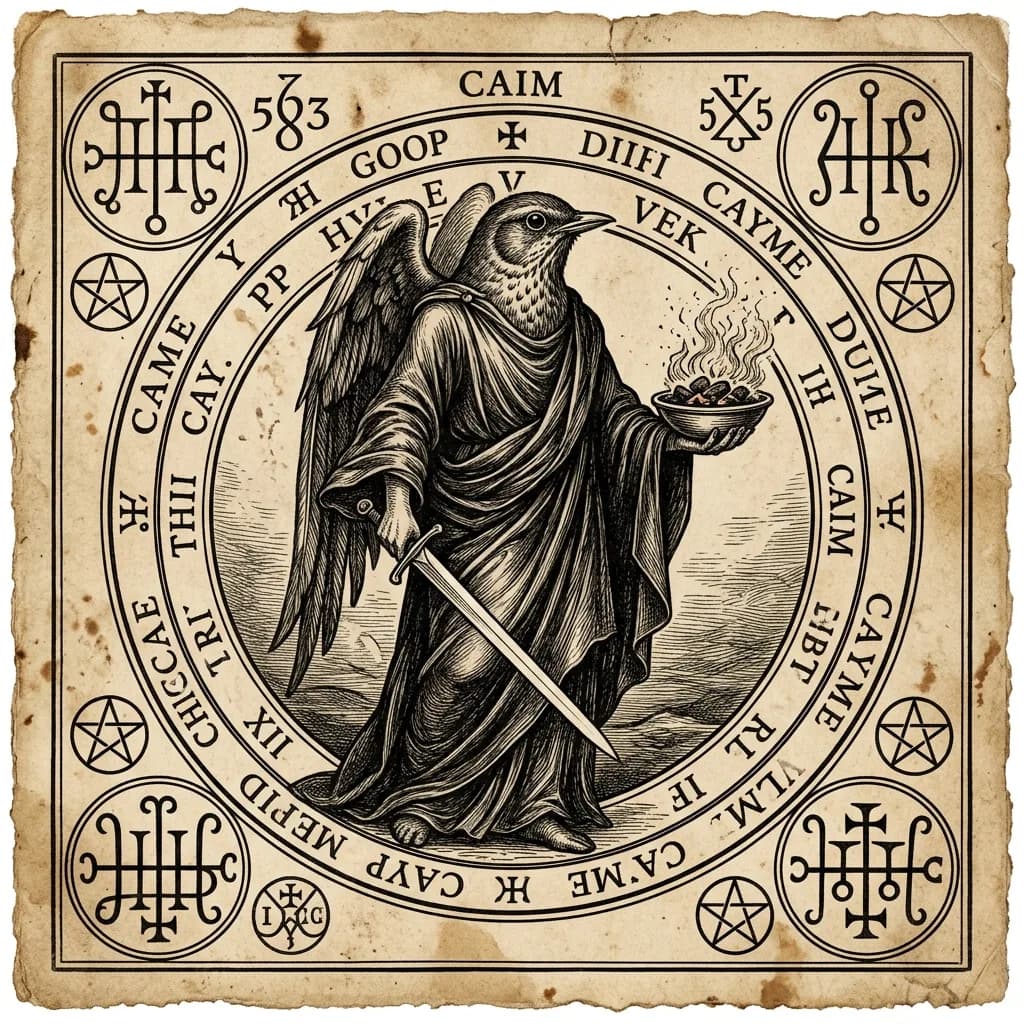
#53
PresidentCaim
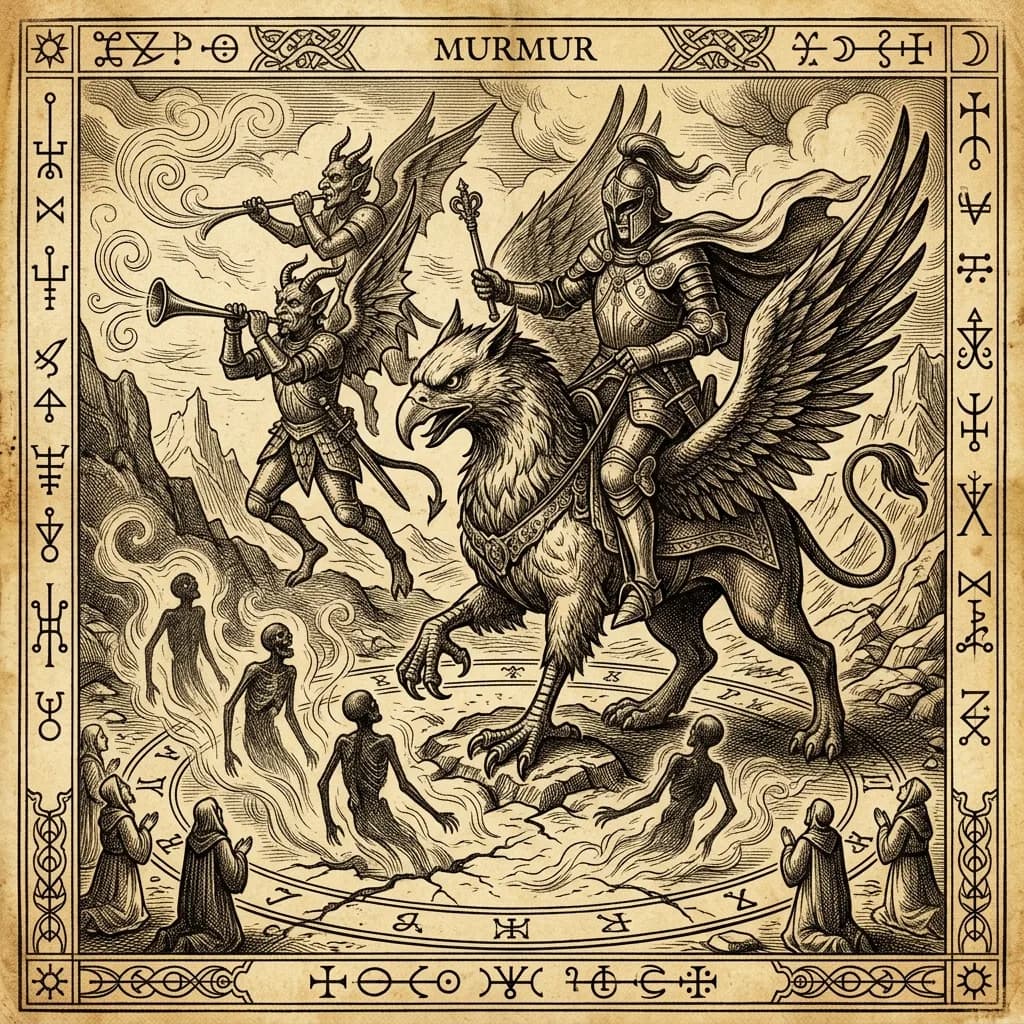
#54
DukeMurmur
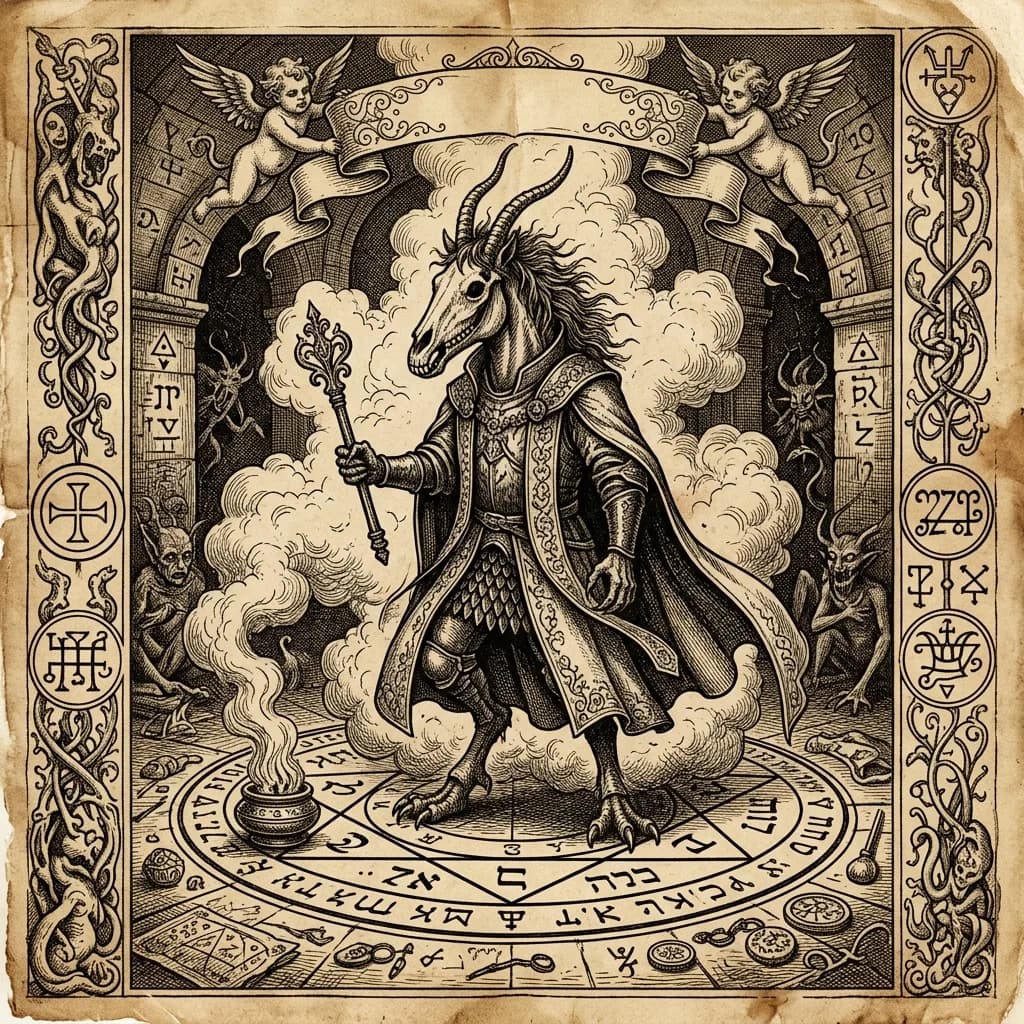
#55
PrinceOrobas
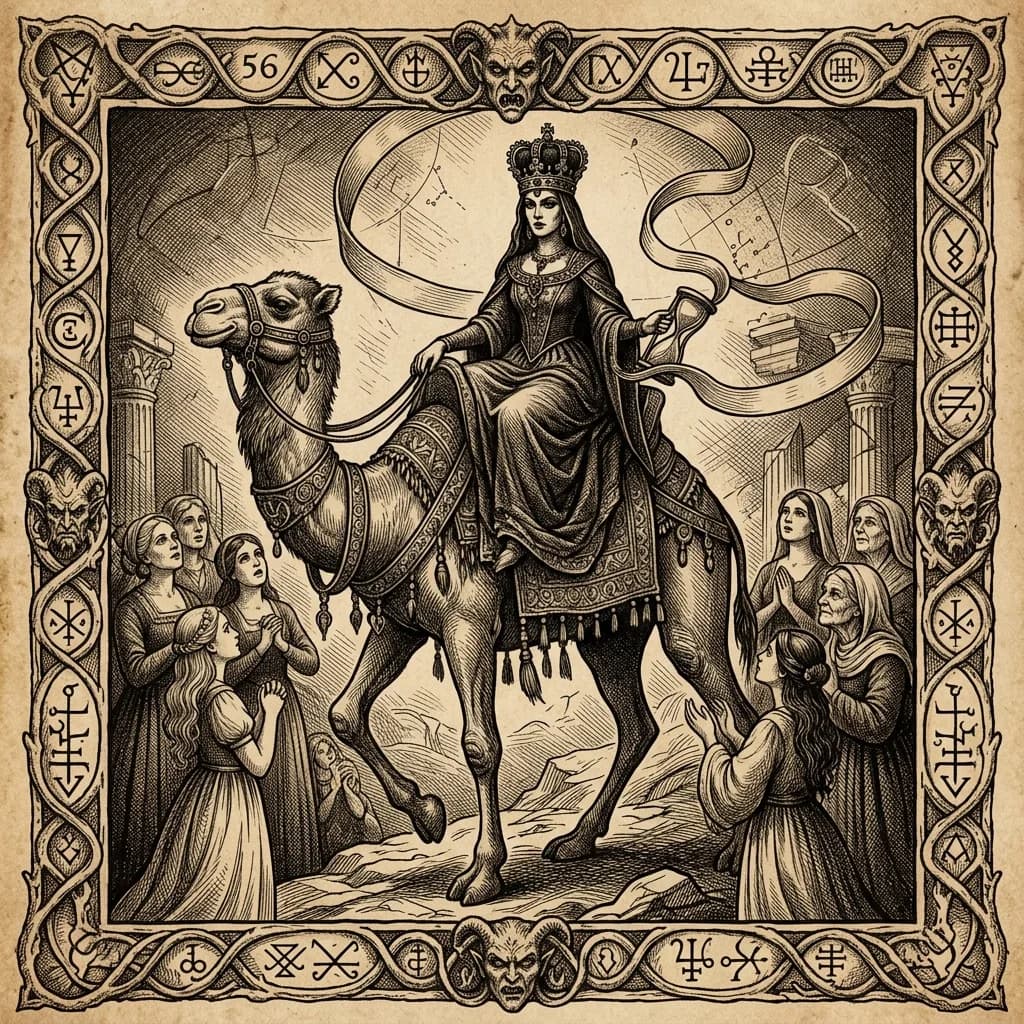
#56
DukeGremory
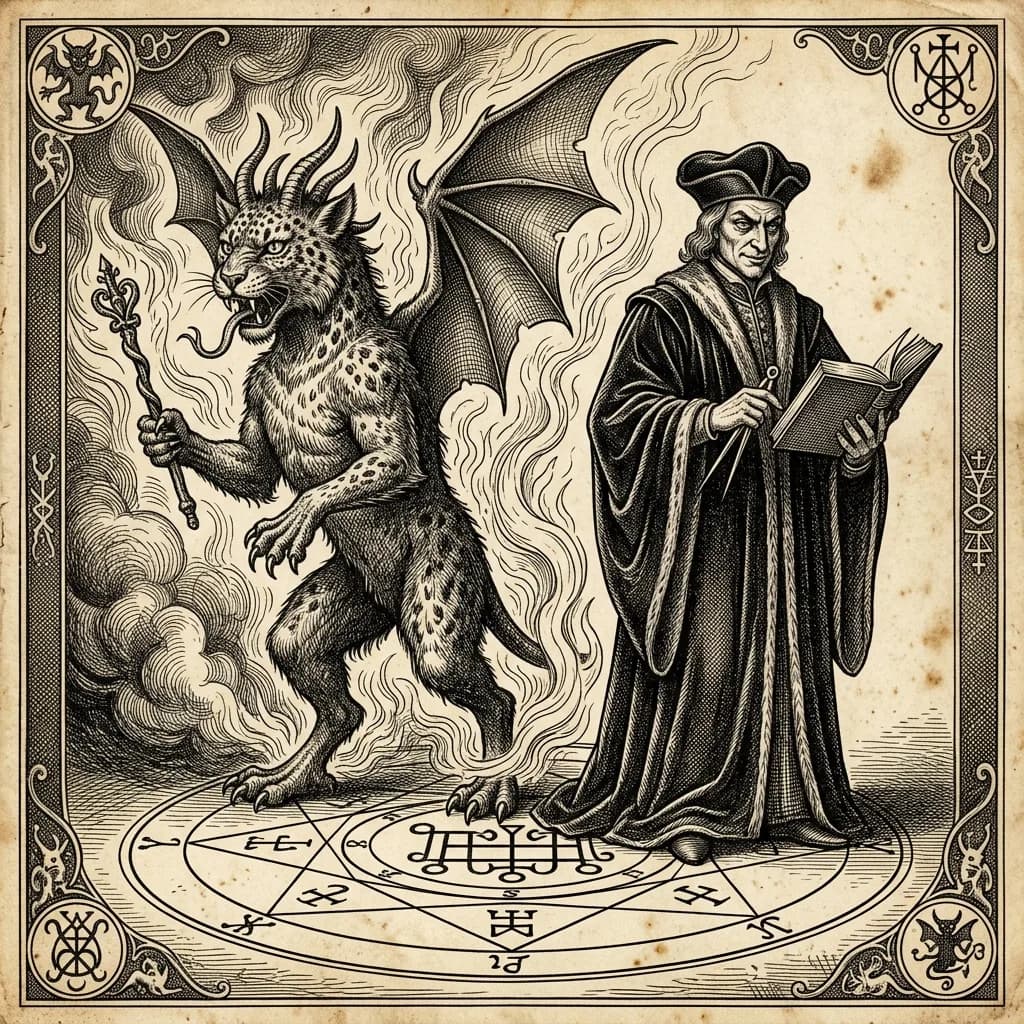
#57
PresidentOse
#58
PresidentAmy
#59
MarquisOrias
#60
DukeVapula
#61
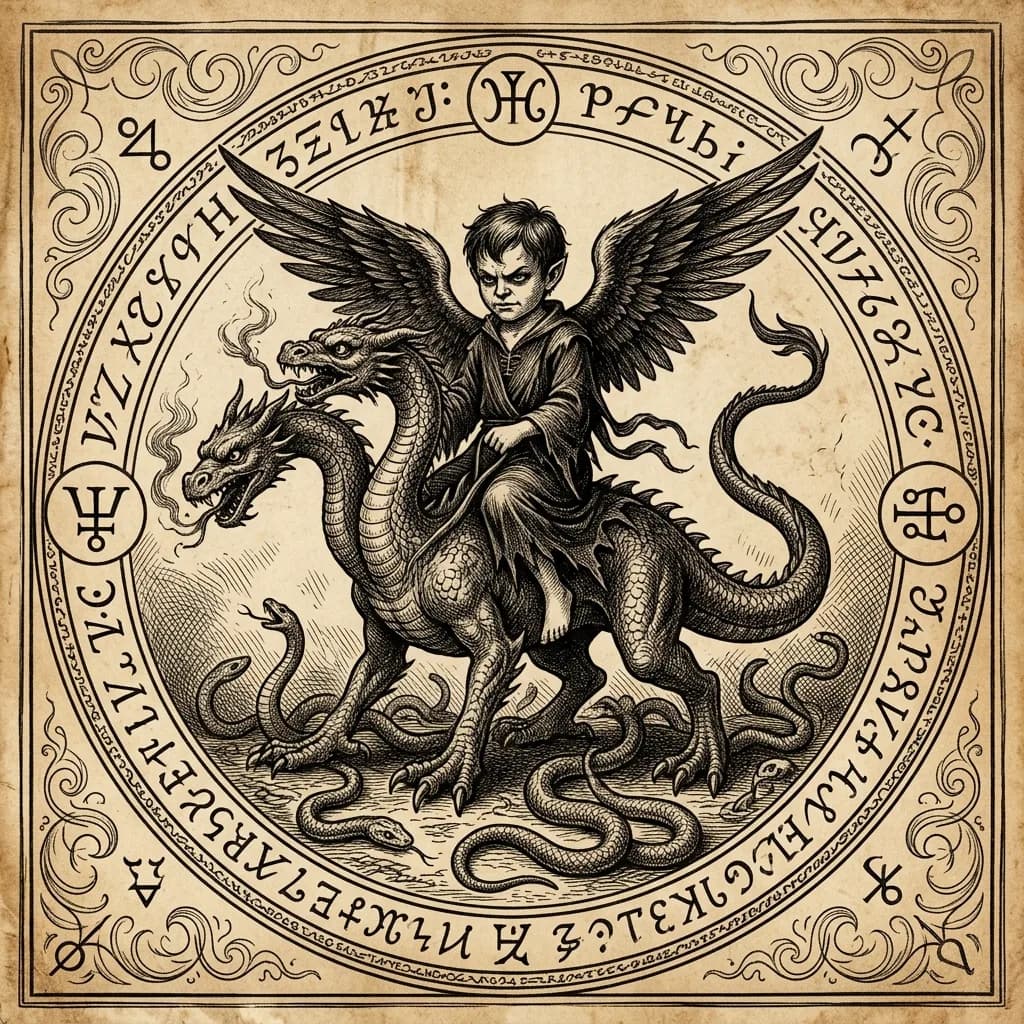
KingZagan
#62
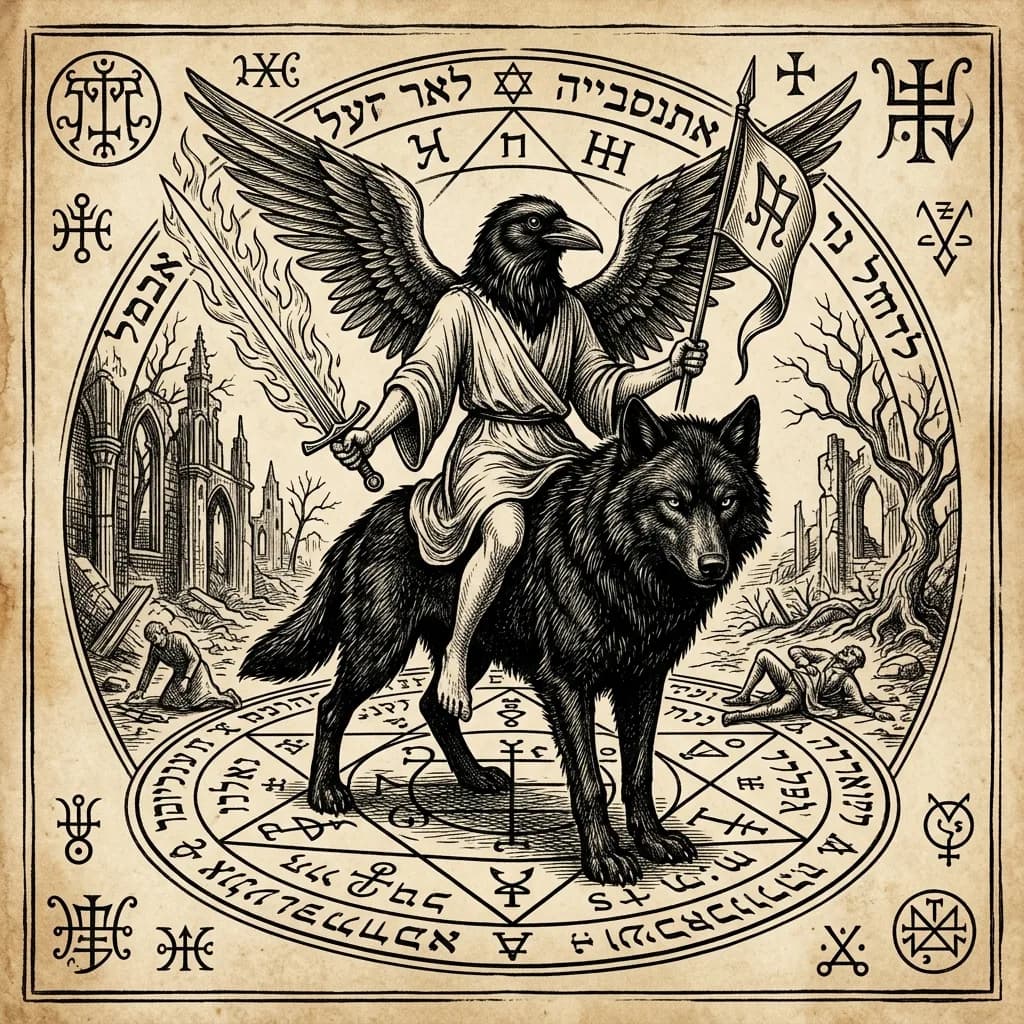
PresidentVolac
#63
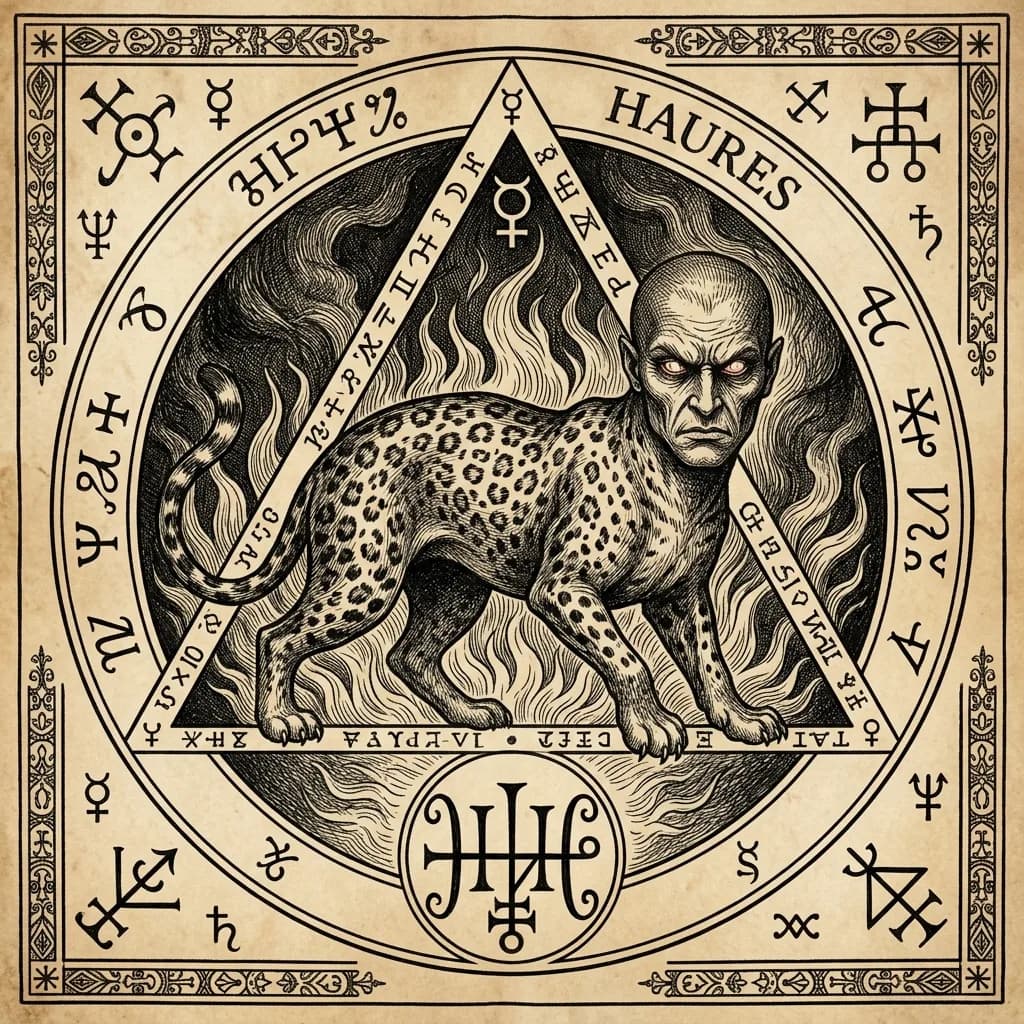
MarquisAndras
#64
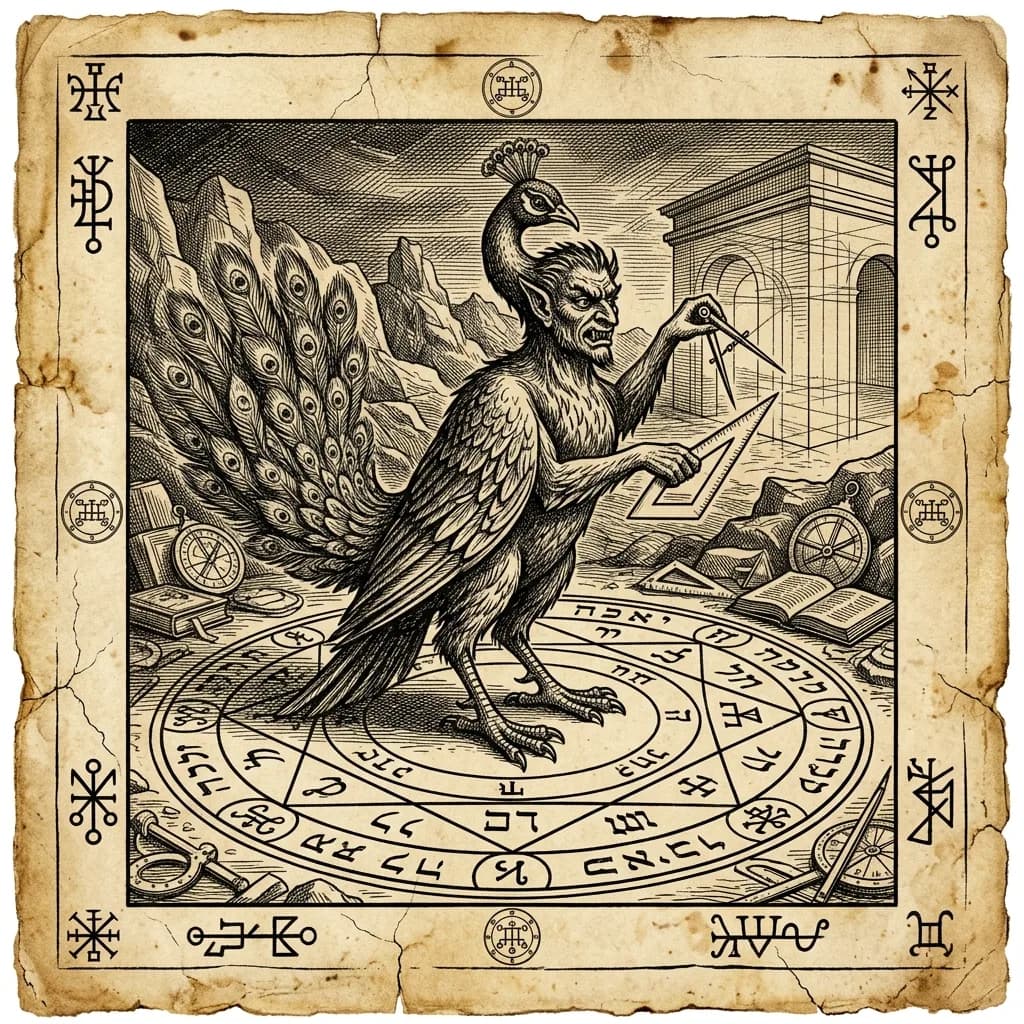
DukeHaures
#65
MarquisAndrealphus
#66
MarquisKimaris
#67
DukeAmdusias
#68
KingBelial
#69
MarquisDecarabia
#70
PrinceSeere
#71
DukeDantalion
#72
Earl